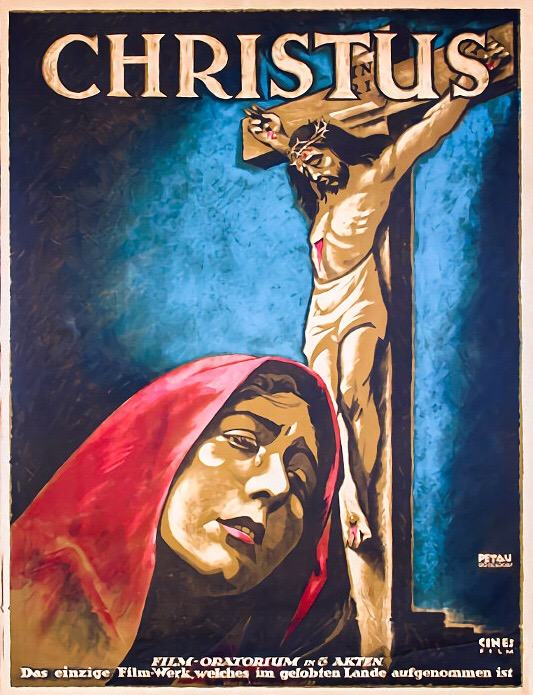
The story of the life of Christ..
Fausto Salvatori, Maurice V. Samuel, Ignazio Lupi, Giulio Antamoro
Italy
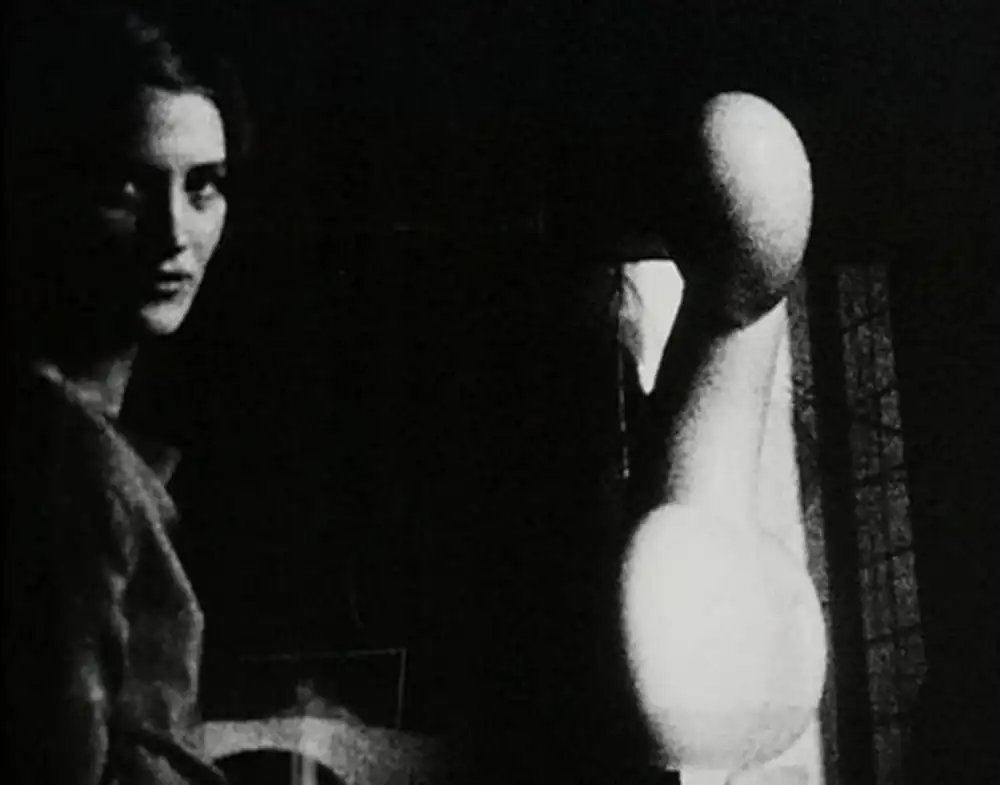
There are films you watch and films that watch you—Christus belongs to the latter caste. Shot in 1916 while Europe convulsed under mustard gas and shrapnel, Giulio Antamoro’s biblical poem feels like it was carved from tufa and moonlight rather than celluloid. The Italian production, bankrolled by a consortium of Fran...
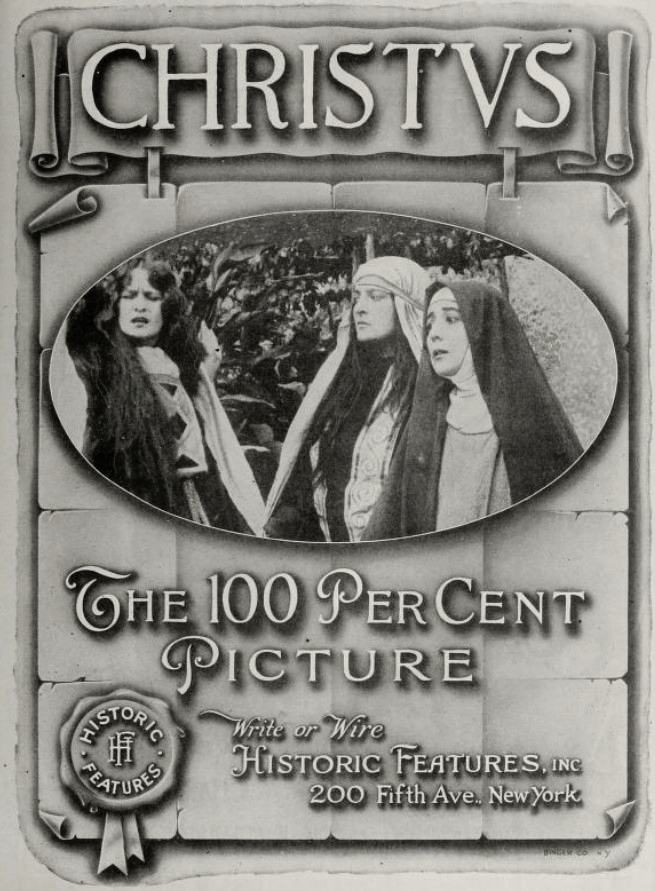
publicity
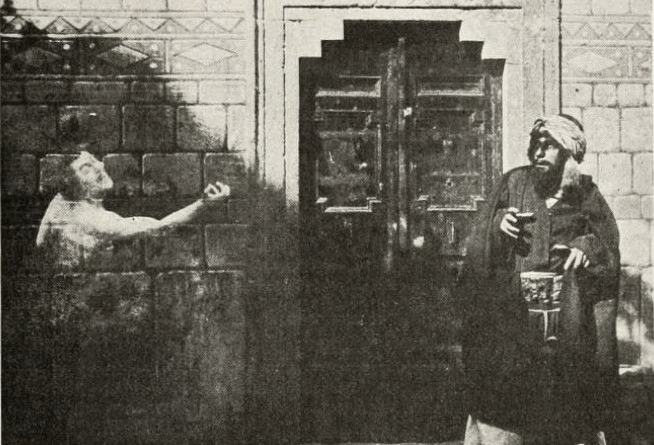
still_frame
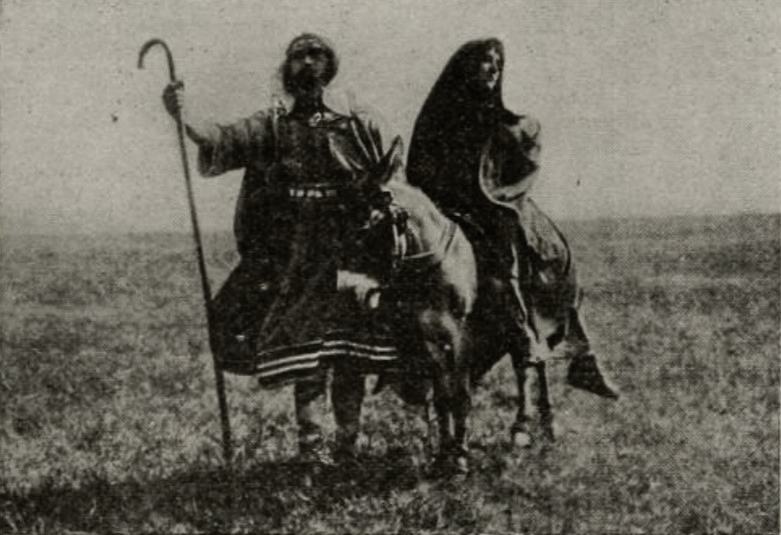
still_frame
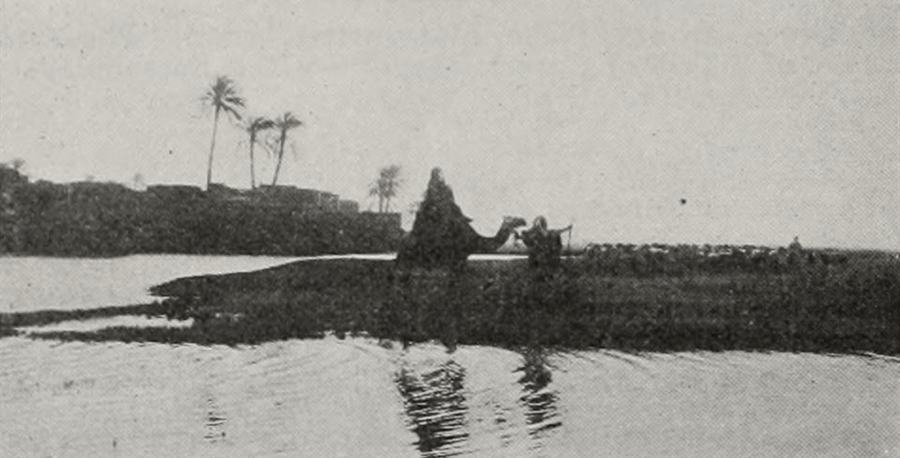
still_frame
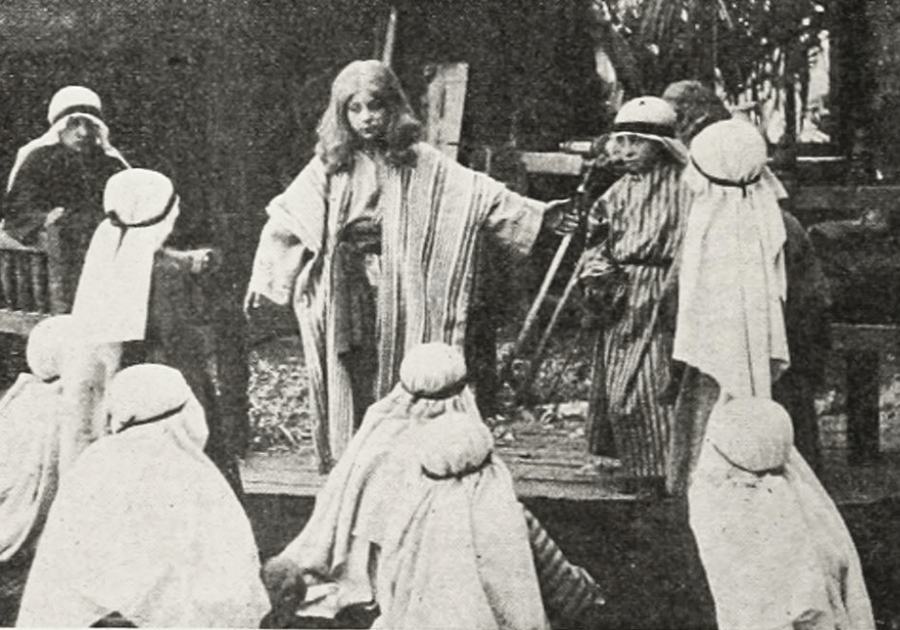
still_frame
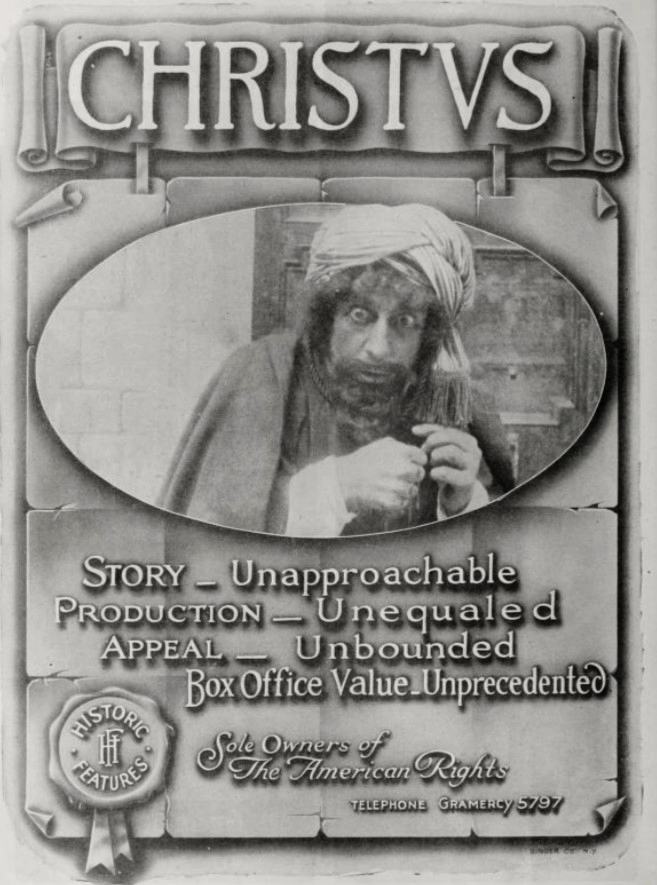
publicity
Comparing the cinematic DNA and archive impact of two defining moments in cult history.
Giulio Antamoro
Giulio Antamoro
Community
Log in to comment.
" There are films you watch and films that watch you—Christus belongs to the latter caste. Shot in 1916 while Europe convulsed under mustard gas and shrapnel, Giulio Antamoro’s biblical poem feels like it was carved from tufa and moonlight rather than celluloid. The Italian production, bankrolled by a consortium of Franciscan friars and Roman financiers, slipped into obscurity after a papal private screening, only to resurface decades later in a mildewed crate beneath a Tuscan monastery. What uns..."
Deep dive into the cult classic
Discover similar cinematic experiences
A Directorial Spotlight on Giulio Antamoro