Summary
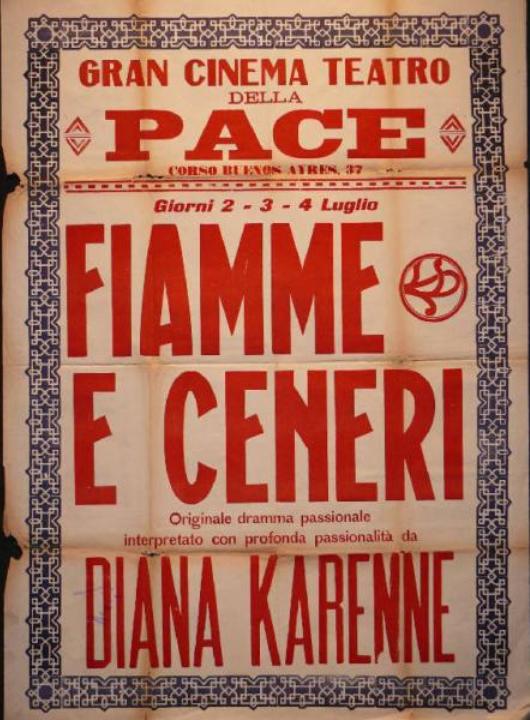
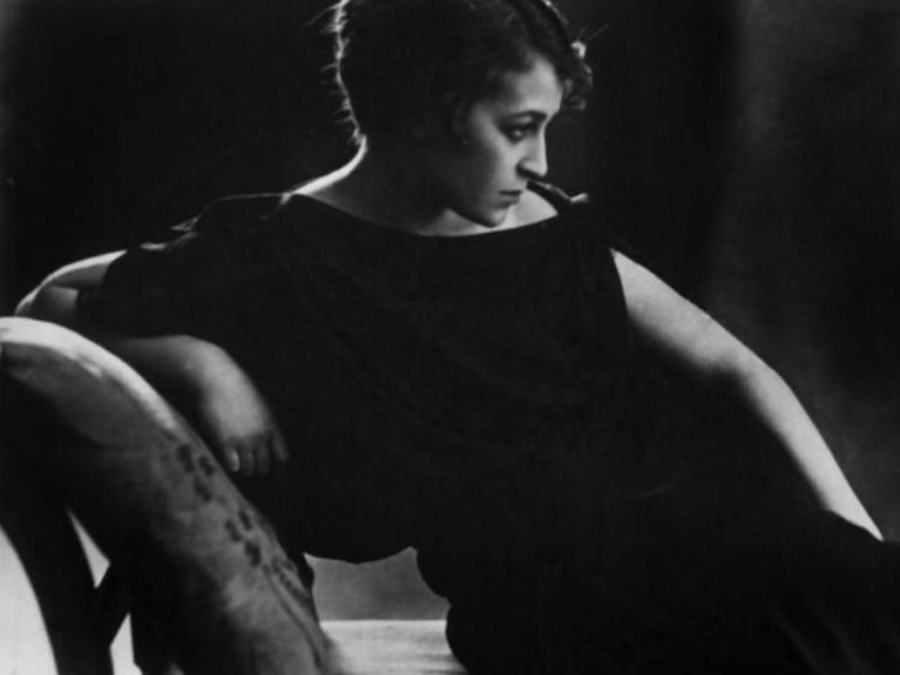
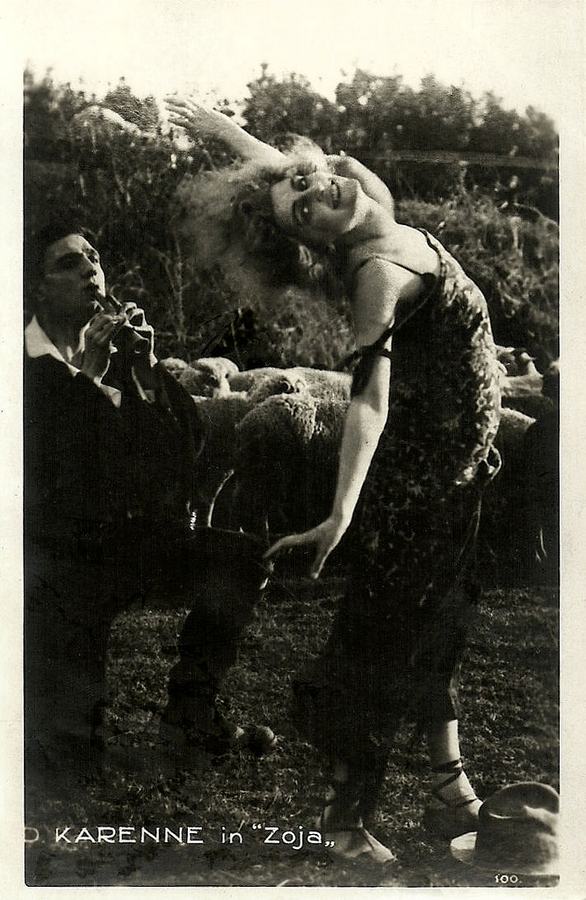
In the opulent yet suffocating confines of a turn-of-the-century European aristocracy, Countess Isabella, portrayed with captivating intensity by Diana Karenne, finds herself ensnared in a desolate marriage to the aging, tradition-bound Duke Alessandro (Alfonso Cassini), whose once-grand estate now crumbles under the weight of financial decay. Her vivacious spirit, however, refuses to be extinguished, igniting instead a clandestine passion with Marco (Arnold Kent), a charismatic sculptor whose artistic soul mirrors her own yearning for authentic connection and unfettered emotion. Their affair blossoms with dangerous fervor, a vibrant conflagration against the muted tapestry of her constrained existence. Unseen, yet ever-present, is Pietro (Mario Parpagnoli), the Duke's loyal secretary, whose quiet devotion to Isabella is a poignant counterpoint to her reckless pursuit of love, his observations tinged with both empathy and a burgeoning sense of foreboding. As the Duke's health falters and his financial ruin deepens, the lovers’ indiscretion escalates, culminating in a fateful ball where a subtle, yet undeniable, exchange between Isabella and Marco precipitates the Duke’s sudden demise. Though officially deemed natural, Pietro unearths a cache of incriminating letters and sketches, exposing the true depth of the affair. Confronting Isabella not with accusation but with a desperate plea for her to grasp the ramifications of her choices, Pietro witnesses her transformation. The freedom she sought becomes a crucible of guilt and disillusionment as Marco, her artistic liberator, reveals a possessive, self-serving core, his love for her inextricably bound to his muse-driven ambition. The narrative crescendos with Isabella's stark epiphany: the flame of her passion, once so brilliant, has consumed itself, leaving only the desolate ashes of regret and social ostracism. Marco, his inspiration sated, departs, leaving Isabella a solitary, elegiac figure, a poignant testament to the destructive power of unbridled desire and the indelible scars left by societal transgression.
Review Excerpt
"
Ah, the silent era. A time when emotions were writ large on the screen, conveyed through the eloquent dance of gesture, the intensity of a gaze, and the sweeping grandeur of orchestral scores that filled the darkened auditoriums. It was a period ripe for melodrama, for tales of grand passion and devastating sorrow, and few films encapsulate this spirit quite like 'La fiamma e la cenere.' This cinematic gem, despite its age, speaks volumes to the enduring complexities of the human heart, wea..."