Summary
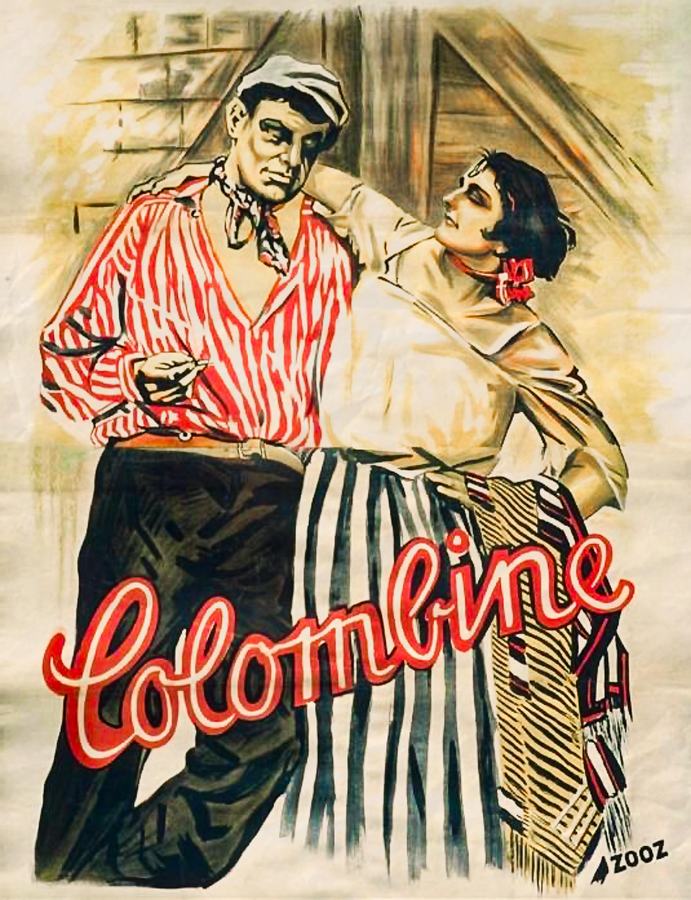
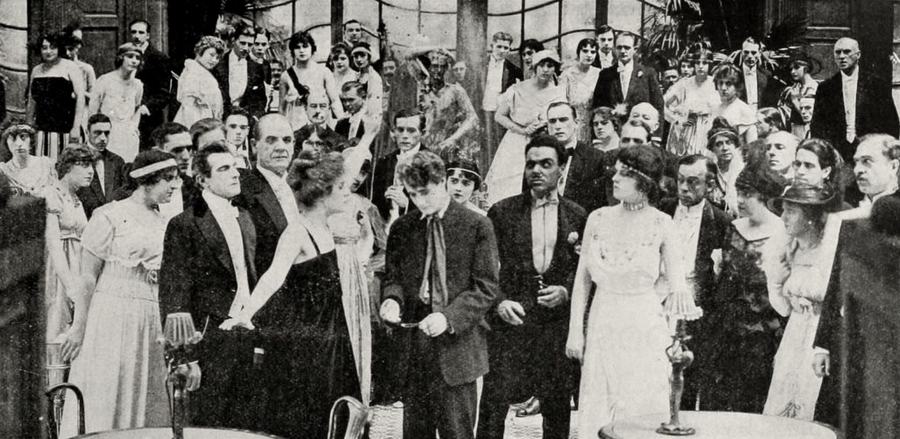
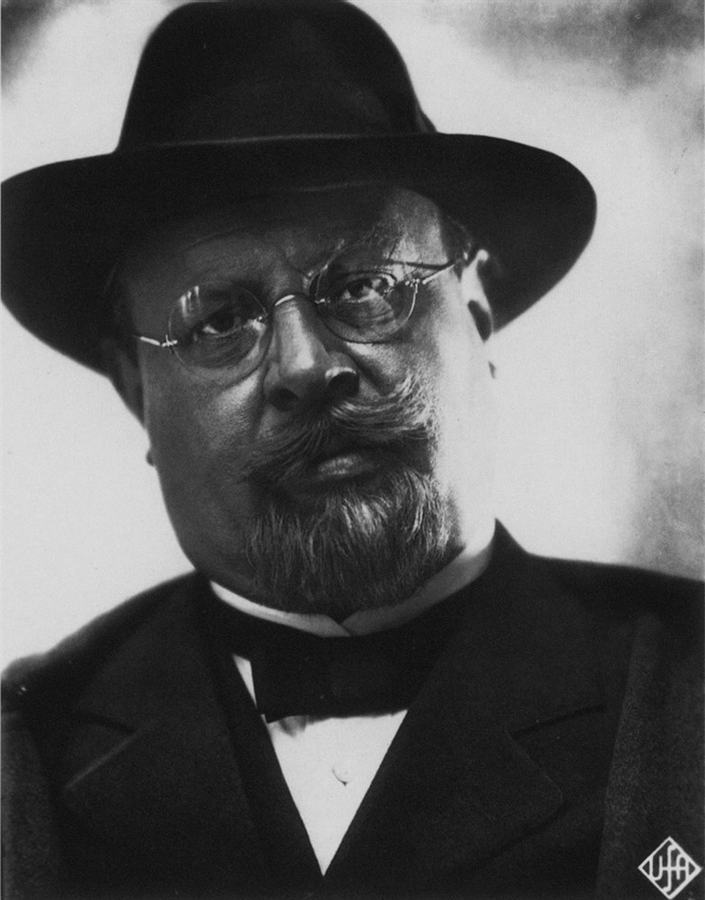
In the shadowy underbelly of a burgeoning metropolitan stage, 'Colombine' unfurls a poignant narrative of ambition, innocence, and the corrosive allure of power. We are introduced to the eponymous Colombine, portrayed with delicate vulnerability by Margarete Lanner, a dancer whose youthful idealism is both her greatest asset and most perilous flaw. Her world, a swirling tableau of theatrical dreams and stark financial realities, becomes irrevocably entangled with two formidable figures: the celebrated but emotionally manipulative impresario, Herr Kroll (Emil Jannings, in a performance of chilling gravitas), and the earnest, struggling artist, Anton (Gustav Adolf Semler). Kroll, a maestro of both stagecraft and human manipulation, sees in Colombine not merely talent, but a malleable spirit ripe for his control, offering her a glittering ascent at the cost of her burgeoning affections for Anton. As Colombine grapples with the escalating demands of her patron—demands that bleed from the professional into the deeply personal—she finds herself ensnared in a gilded cage. The film meticulously charts her agonizing journey from wide-eyed ingenue to a woman forced to confront the moral compromises inherent in her pursuit of artistic recognition, ultimately questioning the true price of fame and the authenticity of love amidst a world that commodifies both.
Review Excerpt
"
The Haunting Echoes of 'Colombine': A Silent Symphony of Stage and Soul
Ah, the silent era! A time when narratives unfolded not through spoken dialogue but through the intricate dance of gesture, expression, and the potent poetry of intertitles. It was an epoch of grand melodrama, stark realism, and often, an almost visceral emotionality that modern cinema sometimes struggles to replicate. Among the many cinematic treasures, some shine brightly in the annals of history, while others, l..."