Summary
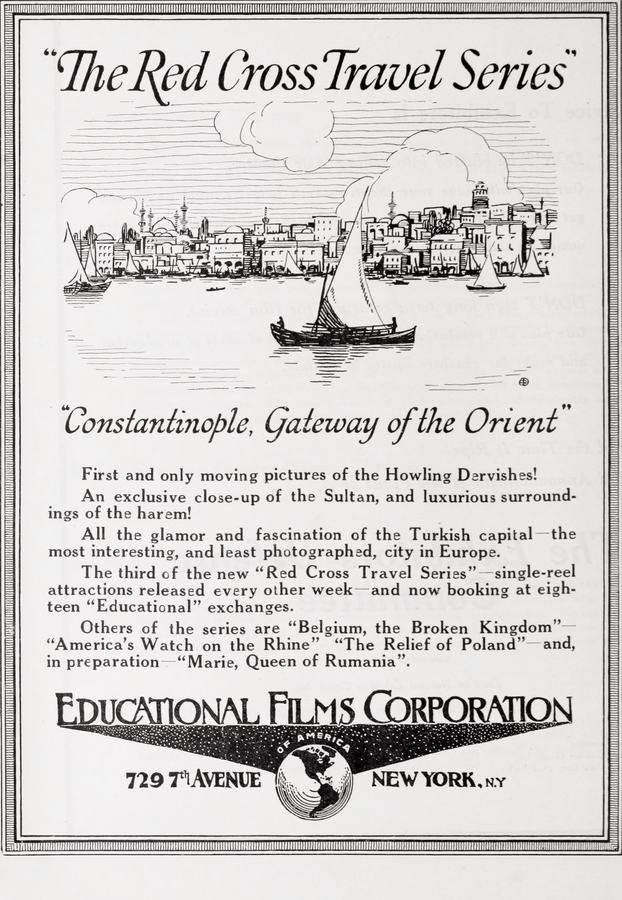
In the pre-Great War crucible of 1910, where empires teeter and modernity clashes with ancient tradition, "Constantinople, the Gateway of the Orient" unfurls a captivating tapestry of archaeological intrigue and forbidden romance. Dr. Elias Thorne, a British scholar driven by the tantalizing whispers of a Byzantine relic, arrives in the Ottoman capital, a city pulsating with both historical grandeur and nascent political unrest. His path inextricably intertwines with Leyla, a spirited Ottoman noblewoman, whose progressive ideals are tempered by a profound reverence for her heritage and a secret family legacy. Leyla's uncle, a formidable Pasha, embodies the city's conservative guard, fiercely protective of its secrets and wary of Western encroachment. Into this delicate balance intrudes the enigmatic Baron von Kessel, a shadowy international operative whose syndicate seeks the fabled artifact not for its cultural value, but for its perceived strategic power over the Dardanelles—a crucial geopolitical choke point. As Elias and Leyla navigate the labyrinthine alleys, opulent palaces, and bustling bazaars, their shared quest for truth ignites a perilous connection. They become ensnared in a high-stakes game of espionage and pursuit, pursued by both von Kessel's ruthless agents and the Pasha's vigilant eyes. The ultimate revelation of the artifact is not a weapon of conquest, but a profound testament to cultural synthesis, forcing all players to re-evaluate their desires and the true nature of influence. The narrative culminates in a breathtaking confrontation on the shimmering waters of the Bosporus, where loyalties are tested, and the destiny of a city—and perhaps a continent—hangs in precarious balance.
Review Excerpt
"
To speak of Constantinople, the Gateway of the Orient is to conjure a phantom limb of cinematic history, a film whispered about in hushed tones, its grand ambition and visual poetry almost mythical. Emerging from an era when the moving image was still finding its voice, this particular feature, if it were to grace our screens today, would undoubtedly be hailed as a monumental achievement, a sprawling epic that masterfully blends historical intrigue with a deeply personal narrative...."