DbcultAccessing Vault...
Cult Review
Senior Film Conservator
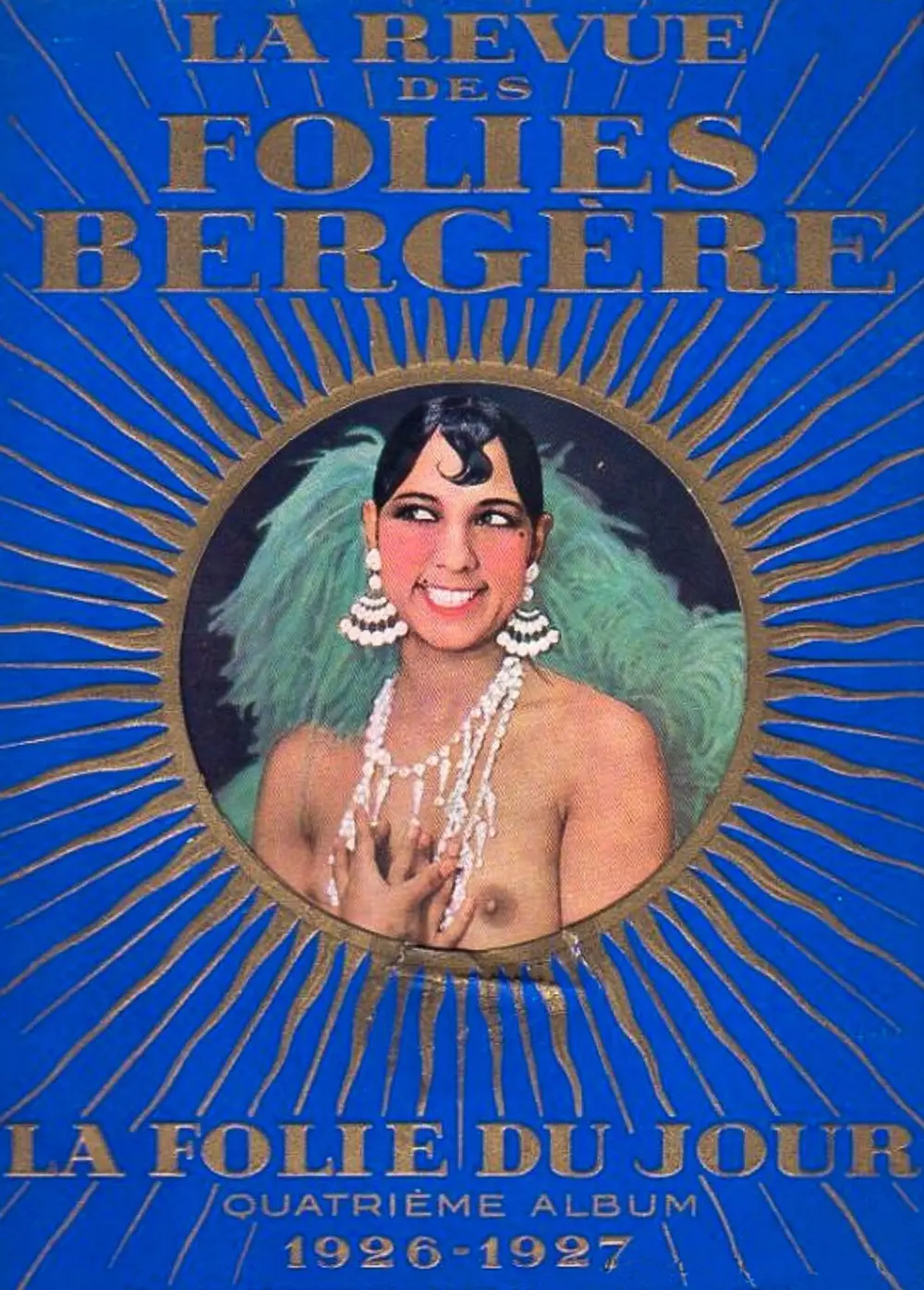
Short answer: Yes, but strictly as a historical artifact of performance art. If you are looking for a cohesive narrative with character arcs and a resolution, you will be profoundly disappointed. However, if you want to witness the exact moment the 20th century found its first truly modern superstar, this is essential viewing.
This film is for historians of the Jazz Age, dance enthusiasts, and those interested in the evolution of Black performance in Europe. It is absolutely not for viewers who require a plot or those who find the racialized tropes of the 1920s too jarring to look past.
When Josephine Baker first appeared on the Parisian stage, she didn't just perform; she disrupted. In La folie du jour, we see the culmination of that disruption. The film captures her in her prime, particularly in the 'Fatou' sequence. While modern audiences might see the banana skirt as a kitschy relic, in 1926, it was a lightning rod. Baker’s performance is a masterclass in controlled chaos. She crosses her eyes, she contorts her limbs, and she mocks the very audience that is ogling her. It is a performance of immense intelligence disguised as primitive abandon.
Unlike the heavy, often dour themes found in contemporary European cinema like J'accuse!, La folie du jour is pure, unweighted spectacle. It doesn't ask you to think about the war or the crumbling social order. It asks you to look at the human form in motion. Baker’s presence is so dominant that the rest of the cast, including the talented Leon Barte and Pépa Bonafé, feel like mere stage dressing. They are the frame; she is the lightning.
Director Louis Lemarchand was primarily a man of the theater, and it shows. The camera rarely moves, and the editing is functional at best. Compared to the visual experimentation seen in films like Alraune, this film is technically primitive. However, there is a brutal simplicity to this approach that works. By keeping the camera static, Lemarchand allows the scale of the Folies Bergère sets to breathe. The massive, ornate backdrops provide a stark contrast to Baker’s minimalist costume.
One specific moment that stands out is the wide shot of the chorus line. The synchronization is impressive, but it feels mechanical. Then, Baker enters the frame, and the rhythm changes. She is off-beat yet perfectly in time. It’s a moment of jazz personified. It makes one realize that while the film isn't 'cinematic' in the sense of camera movement, it is profoundly cinematic in its capture of a unique human presence. It is a documentary of a miracle.
We cannot discuss La folie du jour without addressing the 'exoticism' that fuels it. The film is a product of its time—a time when Paris was obsessed with 'l'art nègre.' The staging of the 'Fatou' dance is undeniably rooted in colonialist fantasies of the 'noble savage.' It is uncomfortable to watch through a 21st-century lens. However, to dismiss the film based on this would be a mistake. Baker was not a passive victim of this framing; she was its architect. She took the stereotypes and pushed them to such an extreme that they became a parody.
In many ways, the film is a precursor to the camp aesthetic. It is too much, too loud, and too strange to be taken at face value. When you compare it to the more traditional, almost stiff performances in The Secretary of Frivolous Affairs, you see how radical Baker truly was. She was bringing a raw, American energy to a European stage that didn't quite know what to do with it.
Is La folie du jour worth watching for a modern viewer? Yes, but only if you approach it as a piece of performance history rather than a movie. It offers the only high-quality footage of Baker’s most famous routine. For that alone, it is a treasure. It is a short, punchy experience that captures the pulse of the 1920s better than almost any scripted drama of the era.
If you are a fan of silent cinema, you will find the lack of intertitles refreshing. The bodies do all the talking. It is a film that exists entirely on the surface, but what a surface it is. It is vibrant, strange, and occasionally offensive, but never boring. It is the definition of a 'must-see' for anyone who claims to love the history of the moving image.
Pros:
- Unparalleled look at Josephine Baker’s physical genius.
- Incredible costume and set design from the legendary Folies Bergère.
- A rare glimpse into the hedonistic spirit of pre-Depression Paris.
- Short runtime ensures it doesn't overstay its welcome.
Cons:
- Zero narrative structure or character development.
- Highly problematic racial framing by modern standards.
- Static cinematography that fails to utilize the medium of film.
La folie du jour is a broken masterpiece. It is a film that succeeds entirely because of its star and fails entirely because of its lack of cinematic ambition. It is a sequence of moments, some beautiful, some awkward, and some genuinely shocking. It is a historical document that demands to be seen, even if it makes you squirm. It is flawed. It is dated. But it is undeniably alive. In a world of polished, focus-grouped entertainment, there is something thrilling about the raw, unpolished energy of Baker in 1926. She was a force of nature, and this film is the only bottle we have that still contains a bit of that lightning.
IMDb —
1919
Community
Log in to comment.