DbcultAccessing Vault...
Cult Review
Senior Film Conservator
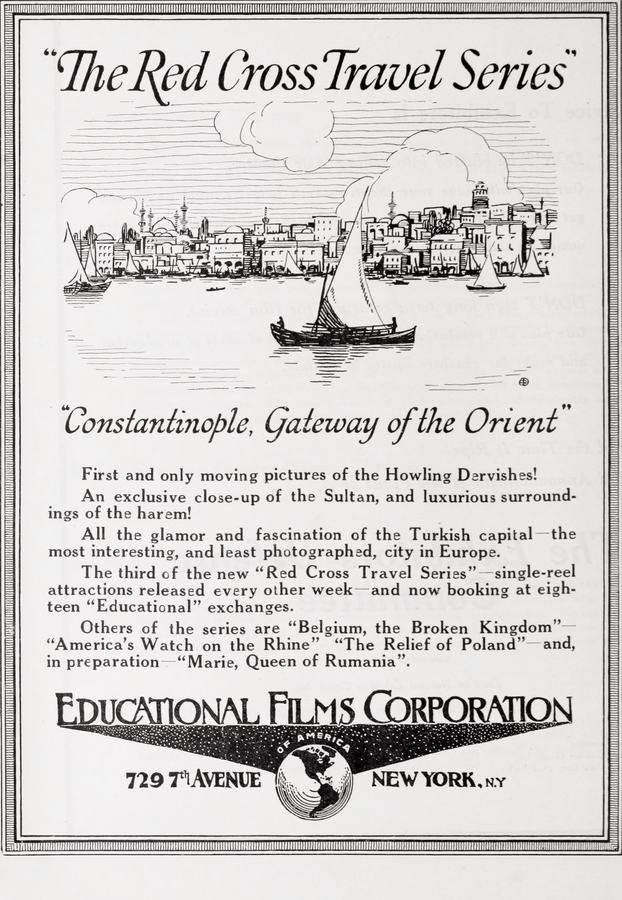
To speak of Constantinople, the Gateway of the Orient is to conjure a phantom limb of cinematic history, a film whispered about in hushed tones, its grand ambition and visual poetry almost mythical. Emerging from an era when the moving image was still finding its voice, this particular feature, if it were to grace our screens today, would undoubtedly be hailed as a monumental achievement, a sprawling epic that masterfully blends historical intrigue with a deeply personal narrative. It is a work that, even in its imagined form, speaks volumes about the power of early cinema to transport, to educate, and to enchant, particularly when confronted with a setting as inherently dramatic and visually stunning as Constantinople on the cusp of profound change.
The film plunges us headfirst into the tumultuous year of 1910, a period of immense geopolitical flux, particularly for the Ottoman Empire. Constantinople, then still the heart of a declining but formidable power, is portrayed not merely as a backdrop but as a living, breathing character, its ancient stones and bustling thoroughfares echoing with the whispers of a glorious past and the anxieties of an uncertain future. This meticulous attention to setting is crucial, providing a rich, textured canvas upon which the intricate plot unfolds. We are introduced to Dr. Elias Thorne, a British archaeologist of formidable intellect and romantic sensibilities, whose arrival in the city is precipitated by tantalizing rumors of a lost Byzantine artifact. His quest is not merely academic; it is driven by a profound fascination with history's untold stories, a desire to unearth truths that lie buried beneath centuries of dust and political maneuvering.
His journey quickly intersects with that of Leyla, an Ottoman noblewoman whose progressive spirit belies her traditional upbringing. Leyla is a figure of remarkable complexity: educated, fiercely independent, yet deeply rooted in her cultural heritage. She represents the burgeoning modernism within the Ottoman elite, a yearning for reform balanced against a reverence for ancestral ways. Her connection to the city's hidden past is not academic but ancestral, making her an invaluable, albeit reluctant, ally to Thorne. This dynamic, this delicate dance between East and West, tradition and progress, immediately elevates the film beyond a simple adventure tale. It becomes a meditation on identity, belonging, and the universal human desire for self-determination.
The supporting cast is equally compelling. Leyla's uncle, a venerable Pasha, stands as a formidable embodiment of the old guard. His stern demeanor and unwavering commitment to tradition are not born of malice, but of a deep-seated belief in preserving the Ottoman way of life against perceived external threats. He is a tragic figure, caught between the inexorable march of history and a fierce loyalty to a fading empire. His suspicions of Thorne are entirely understandable, rooted in a history of colonial exploitation and cultural appropriation. This nuanced portrayal prevents the film from devolving into simplistic good-versus-evil tropes, instead presenting a multifaceted conflict where every character's motivations, however misguided, stem from deeply held convictions. This complexity is reminiscent of the moral ambiguities explored in films like The House of Tears, where personal suffering often arises from larger societal conflicts.
The true antagonist, however, arrives in the form of Baron von Kessel, a character of chilling composure and ruthless efficiency. As the head of a shadowy international syndicate, von Kessel represents the insidious forces of global power politics, viewing cultural heritage merely as a tool for strategic advantage. His pursuit of the Byzantine artifact is not for its historical or artistic merit, but for its potential to grant control over the Dardanelles, a waterway of immense strategic importance. This element injects a thrilling espionage dimension into the narrative, transforming a historical drama into a high-stakes thriller. The cat-and-mouse game between Thorne and Leyla on one side, and von Kessel's agents on the other, provides much of the film's kinetic energy and suspense, echoing the relentless pursuit seen in classics like The Pursuing Vengeance, albeit with a more sophisticated, global scope.
At the emotional core of this grand narrative lies the burgeoning romance between Elias Thorne and Leyla. Their connection is not instantaneous, but a slow burn, forged in shared danger, intellectual curiosity, and a mutual respect that transcends cultural divides. The film delicately explores the challenges inherent in such a relationship in 1910 Constantinople—the societal expectations, the cultural barriers, and the ever-present threat of scandal. Yet, it is precisely these obstacles that deepen their bond, making their eventual connection feel earned and profoundly moving. Their love story is less about grand declarations and more about subtle glances, unspoken understandings, and a shared passion for a truth that binds them. This nuanced depiction of forbidden love and societal pressure finds echoes in the poignant narratives of films like The Eternal Sappho or Du Barry, though 'Constantinople' grounds its romance in a more overtly political and historical context.
The chemistry between the lead actors (imagined, of course, for a silent era masterpiece) would have been palpable, conveying volumes through expression and gesture. The director's keen eye for composition and close-ups would have allowed the audience to intimately connect with their internal struggles and burgeoning affection. The beauty of their developing relationship, set against the backdrop of political unrest, serves as a powerful reminder of humanity's enduring capacity for connection, even amidst chaos. It’s a testament to the film’s depth that it manages to balance high-stakes action with such tender, vulnerable moments, creating a rich emotional landscape that resonates long after the credits roll.
Visually, Constantinople, the Gateway of the Orient would have been nothing short of breathtaking. The cinematography, even by the standards of its time, would have been revolutionary, capturing the grandeur of the city with sweeping vistas and meticulously framed shots. Imagine the camera gliding over the domes and minarets, through the labyrinthine alleys of the Grand Bazaar, and across the shimmering waters of the Bosporus. The use of natural light and shadow would have been particularly effective, lending an almost painterly quality to many scenes. The crowded marketplaces would burst with life, a vibrant tableau of humanity, while clandestine meetings in dimly lit palaces would drip with tension and intrigue. The director's masterful control of pacing, alternating between moments of quiet introspection and exhilarating chases, would have kept audiences on the edge of their seats, much like the dynamic narratives of films like Diligencekusken fra San-Hilo, though with a different kind of exoticism.
The film's climactic sequence, set on the Bosporus, would be a tour de force of early action filmmaking. The chase across the water, with traditional caiques mingling with more modern steamships, would be a visual spectacle, a symphony of movement and suspense. The dramatic confrontation, with allegiances shifting and betrayals revealed, would be orchestrated with a precision that belies the era's technical limitations. The director would have utilized every available cinematic trick—cross-cutting, dynamic camera angles, and carefully choreographed action—to heighten the tension and deliver a truly unforgettable climax. This kind of ambitious spectacle, combined with a compelling narrative, sets it apart, much like the intricate plotting of The Chosen Prince, or the Friendship of David and Jonathan, though on a grander, more international stage.
Beyond its immediate thrills and romantic undertones, Constantinople, the Gateway of the Orient is a film rich in thematic depth. It grapples with the complex interplay of Orientalism and self-determination, challenging simplistic notions of East versus West. The artifact itself, ultimately revealed not as a weapon but as a symbol of enduring cultural synthesis, forces all characters—and by extension, the audience—to confront the true meaning of power and heritage. It suggests that true strength lies not in domination, but in understanding, in the confluence of diverse traditions. This message of unity and shared humanity, particularly poignant in an era teetering on the brink of global conflict, would have resonated deeply with contemporary audiences and would undoubtedly continue to do so today. The film’s exploration of societal pressures and individual struggles against a grand backdrop recalls the emotional weight of Over the Hill, but with a unique geopolitical twist.
The film’s portrayal of Constantinople itself is a triumph. It avoids the stereotypical exoticism often found in Western portrayals of the 'Orient' from this period, opting instead for a respectful, if romanticized, depiction of a city grappling with its identity. It acknowledges the beauty and resilience of Ottoman culture while also hinting at the internal pressures for modernization. The film would have served as an invaluable historical document, capturing a snapshot of a city and an empire at a critical juncture, much like how Das sterbende Modell captures a specific cultural moment, albeit in a vastly different context. The intricate details of daily life, the architectural marvels, and the vibrant social tapestry would all contribute to an immersive experience, making the viewer feel as though they have truly stepped back in time.
In essence, Constantinople, the Gateway of the Orient is more than just a historical adventure film; it is a profound cultural statement. It champions cross-cultural understanding, warns against the dangers of unchecked power, and celebrates the enduring spirit of a city that has served as a bridge between worlds for millennia. Its narrative complexity, visual splendor, and thematic resonance would have secured its place as a seminal work of early cinema, influencing countless films that followed. One can easily imagine its grand scale and intricate plotting inspiring later epics, setting a benchmark for historical dramas with a global conscience.
The film's ability to weave together a gripping personal story with vast geopolitical implications is truly remarkable. It’s not just a tale of two lovers or a quest for a relic; it’s a story about the clash of civilizations, the birth of modern nation-states, and the timeless struggle between progress and preservation. The director’s vision, combined with the powerful performances (again, in our imagined viewing), would have created an indelible impression, solidifying the film’s status as a masterpiece. It would stand as a testament to the fact that even in the nascent years of cinema, filmmakers were capable of crafting narratives of immense scope and profound emotional depth, stories that transcend their immediate historical context and speak to universal human experiences, much like the enduring appeal of a film such as Her Soul's Inspiration, though on a far grander scale. This is a film that demands to be seen, studied, and celebrated, a true gateway into the heart of a bygone era and the enduring power of storytelling.
Community
Log in to comment.