Cowboy Jazz (1920) Review: The Wildest Western Stunt Film You’ve Never Seen
The first thing that hits you is the dust—not as ambience but as authorship. In Cowboy Jazz (1920), motes swirl so thickly they become co-writers of the choreography, scribbling over bodies, branding the lens, turning sunlight into tangelo scrims that throb between each frame. Watching this 12-minute whirlwind today ...
Cowboy Jazz is categorised as Sport, Documentary, Short in the cult cinema archive at Dbcult.
Cowboy Jazz features Gus Schultz, Rose Henderson, Bee Kirman, Bryan Roach.
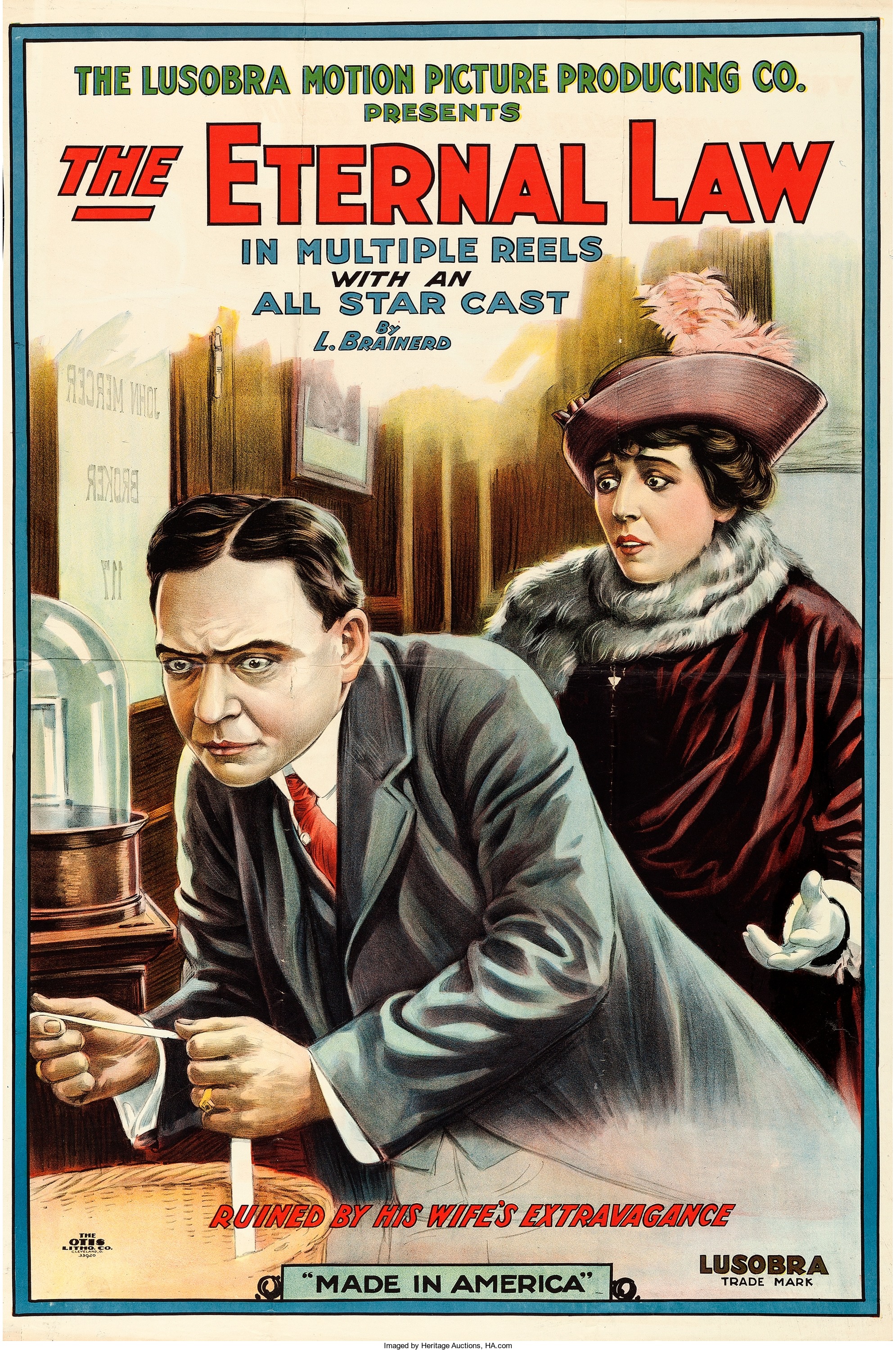
If you enjoy Cowboy Jazz, you might also like The Eternal Law (1910), Fides (1910), Jeffries-Johnson World's Championship Boxing Contest, Held at Reno, Nevada, July 4, 1910 (1910), The English Lake District (1910).
Yes, Cowboy Jazz (1920) is featured in the Dbcult archive as a curated cult cinema title, known for its Sport and Documentary qualities.
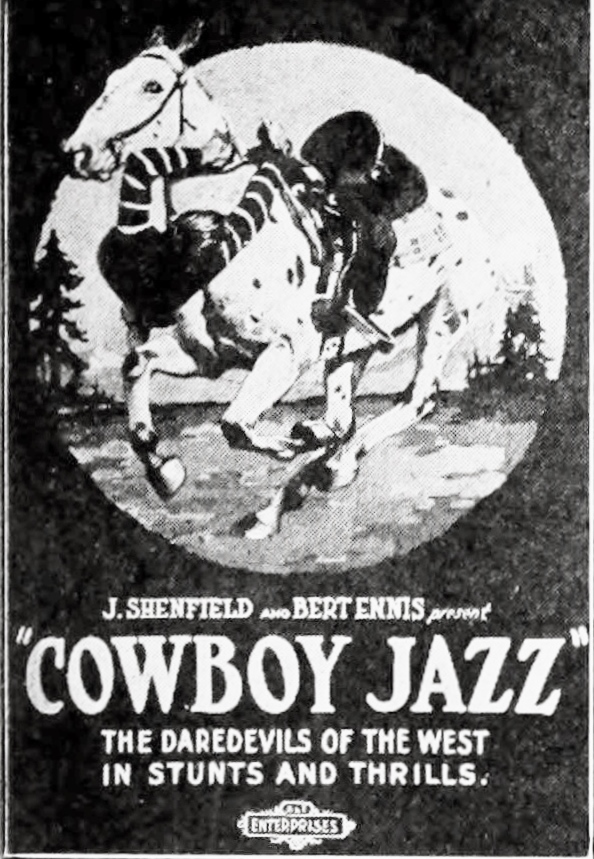
Dust-smeared rodeo reels unfurl like a feverish frontier fresco: bronzed limbs torque mid-air, lariats carve helical sigils against a sodium sky, and a rangy steer—half-myth, half-meat—succumbs to gravity’s sudden sermon. Joe Gardner’s silhouette, a calligraphic slash of Stetson and sinew, pirouettes atop a galloping blur, while Bee Kirman’s wrist flicks a lasso that whispers Euclid in hemp. Gus Schultz bulldogs a horned titan so violently the earth itself seems to cough; Rose Henderson vaults sidesaddle, her crimson scarf a comet tail against the bruised horizon. Chester Beyers, Tommy Kiernan, Bryan Roach orbit this kinetic cosmos like wayward satellites, their spurs striking sparks that briefly outshine the projector’s carbon-arc sun. The celluloid stencils motion into myth, compressing the entire American West into a single, breathless hiccup between black leader and cigarette burns.
Synopsis
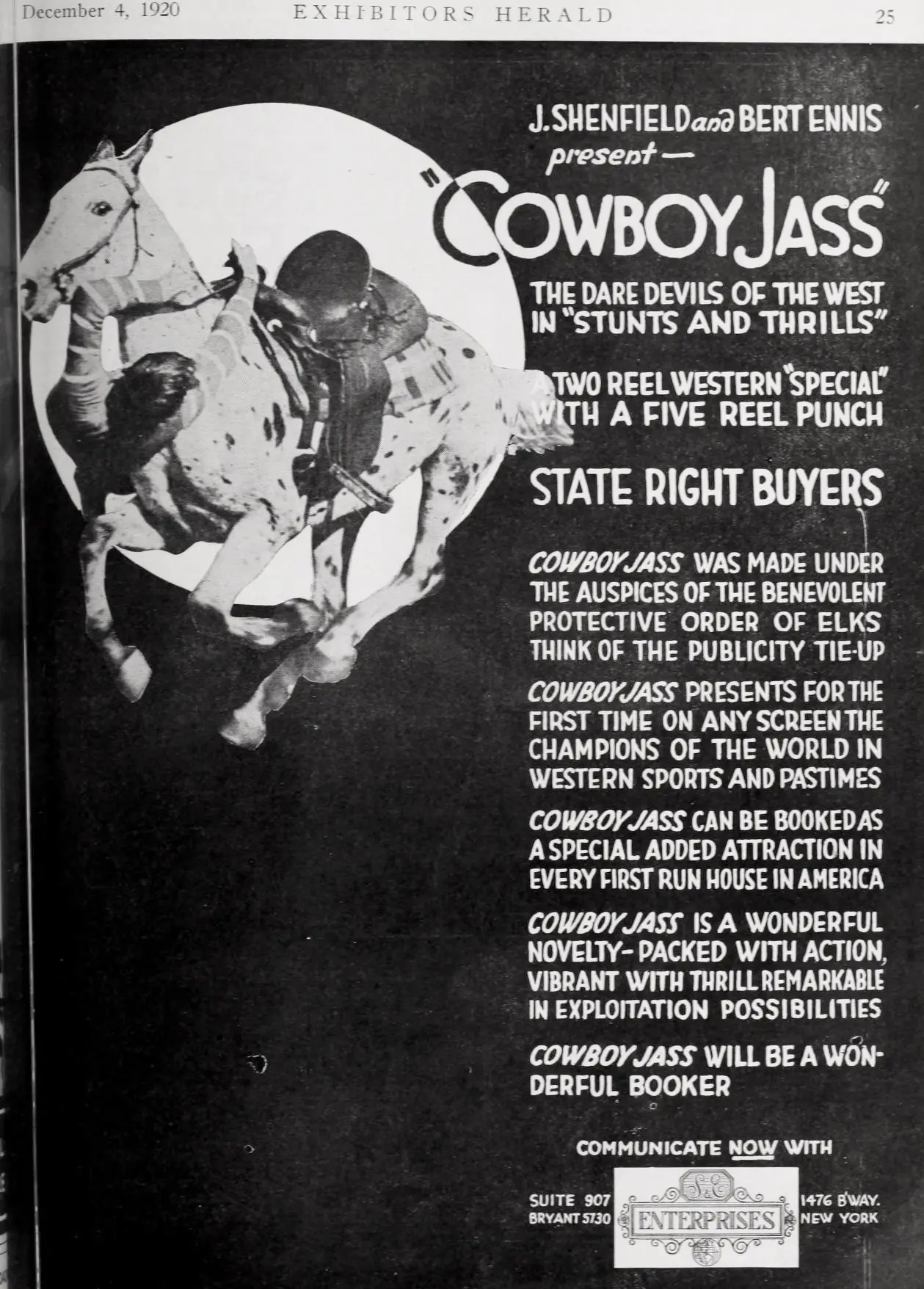
This short film presents the champion cowboys of the world in a series of remarkable stunts, including riding, roping, steer throwing, etc.
Review Excerpt
"
The first thing that hits you is the dust—not as ambience but as authorship. In Cowboy Jazz (1920), motes swirl so thickly they become co-writers of the choreography, scribbling over bodies, branding the lens, turning sunlight into tangelo scrims that throb between each frame. Watching this 12-minute whirlwind today feels less like archival curiosity, more like stumbling on a lost jazz 78 cut at 3 a.m. in a ghost-town saloon: crackling, illicit, alive.
Director-writer n/a—the anonymity itself..."