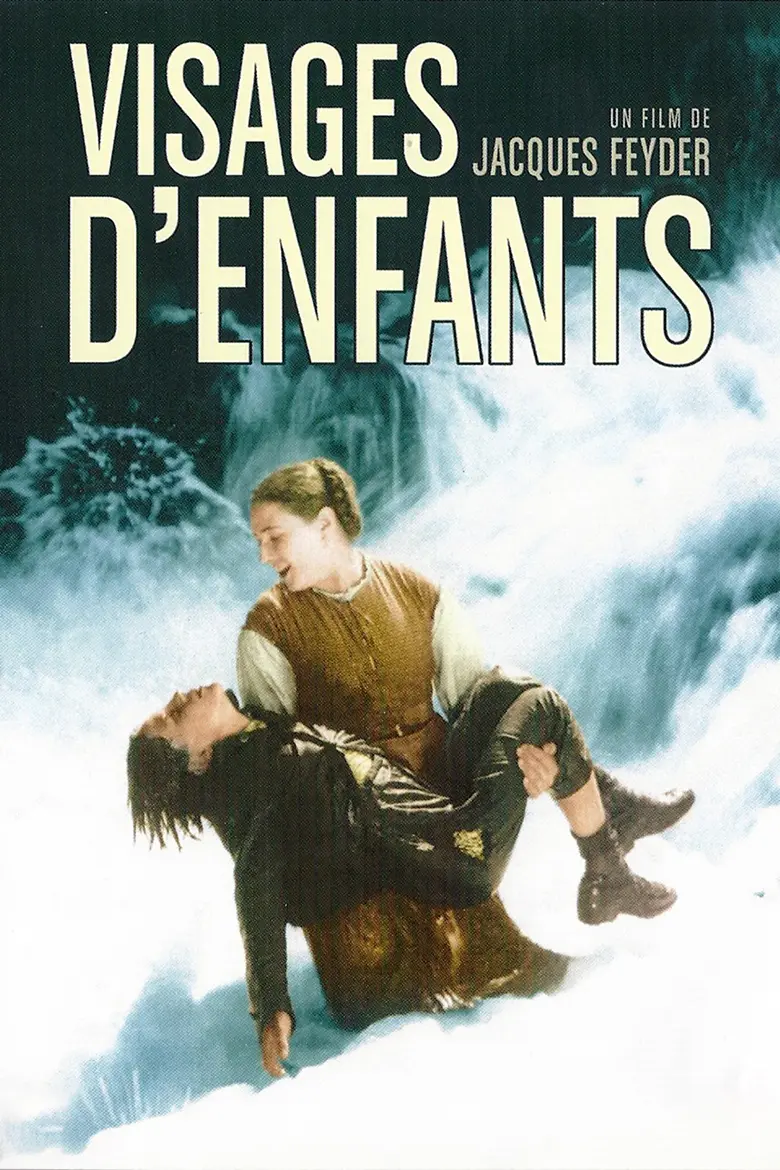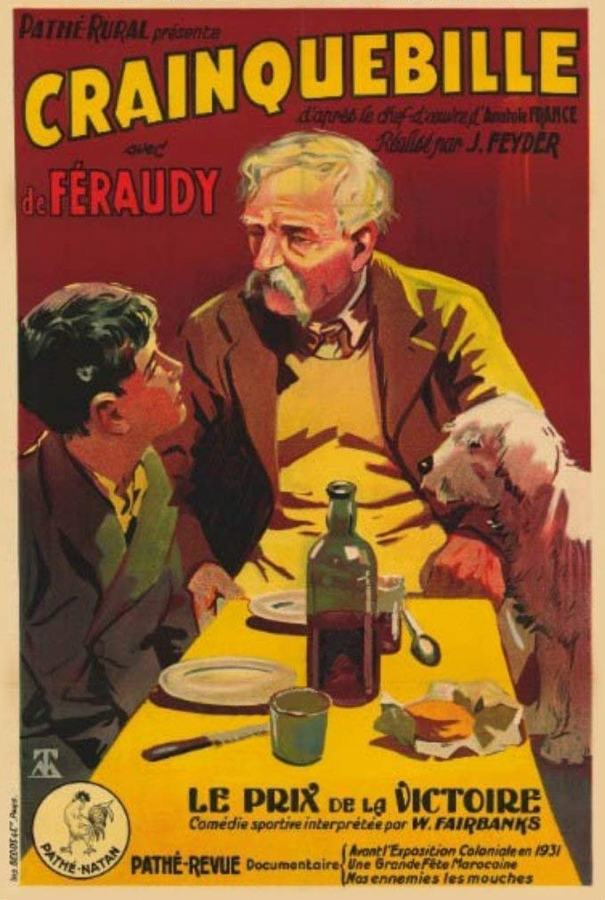
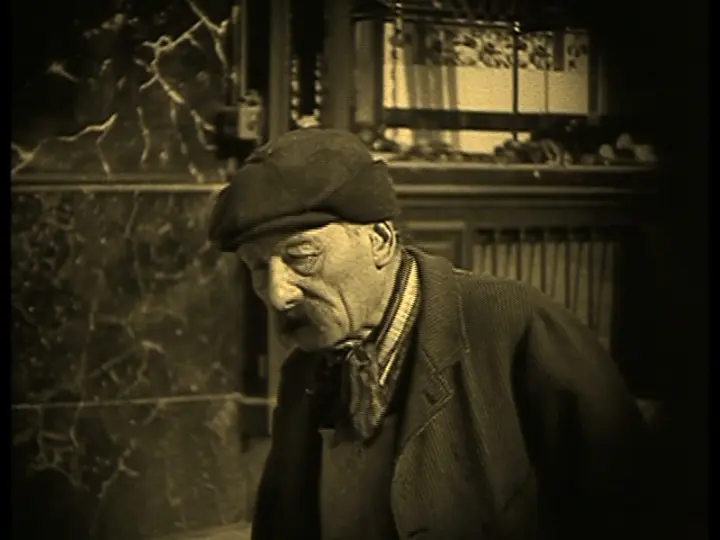
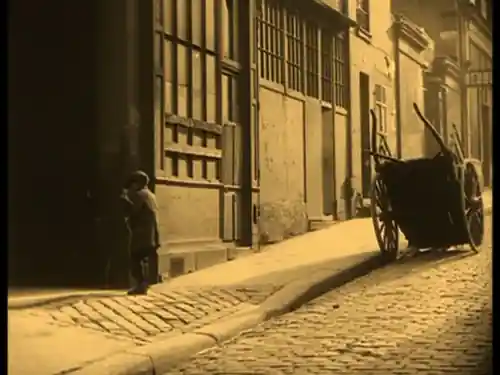
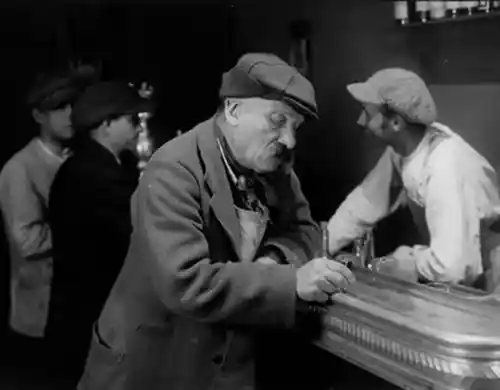
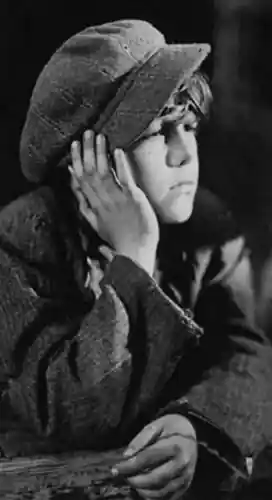
A poor vegetable peddler in Paris runs afoul of the law and finds himself ground up in the cogs of the corrupt French judicial system..
The first time I saw Crainquebille I walked out into drizzling midnight convinced that every city street had grown a thin layer of invisible moss—something soft, damp, quietly suffocating. Jacques Feyder’s 1923 film is less a narrative than a spore: once inhaled, it colonises your perception of civility, justice, eve...
publicity
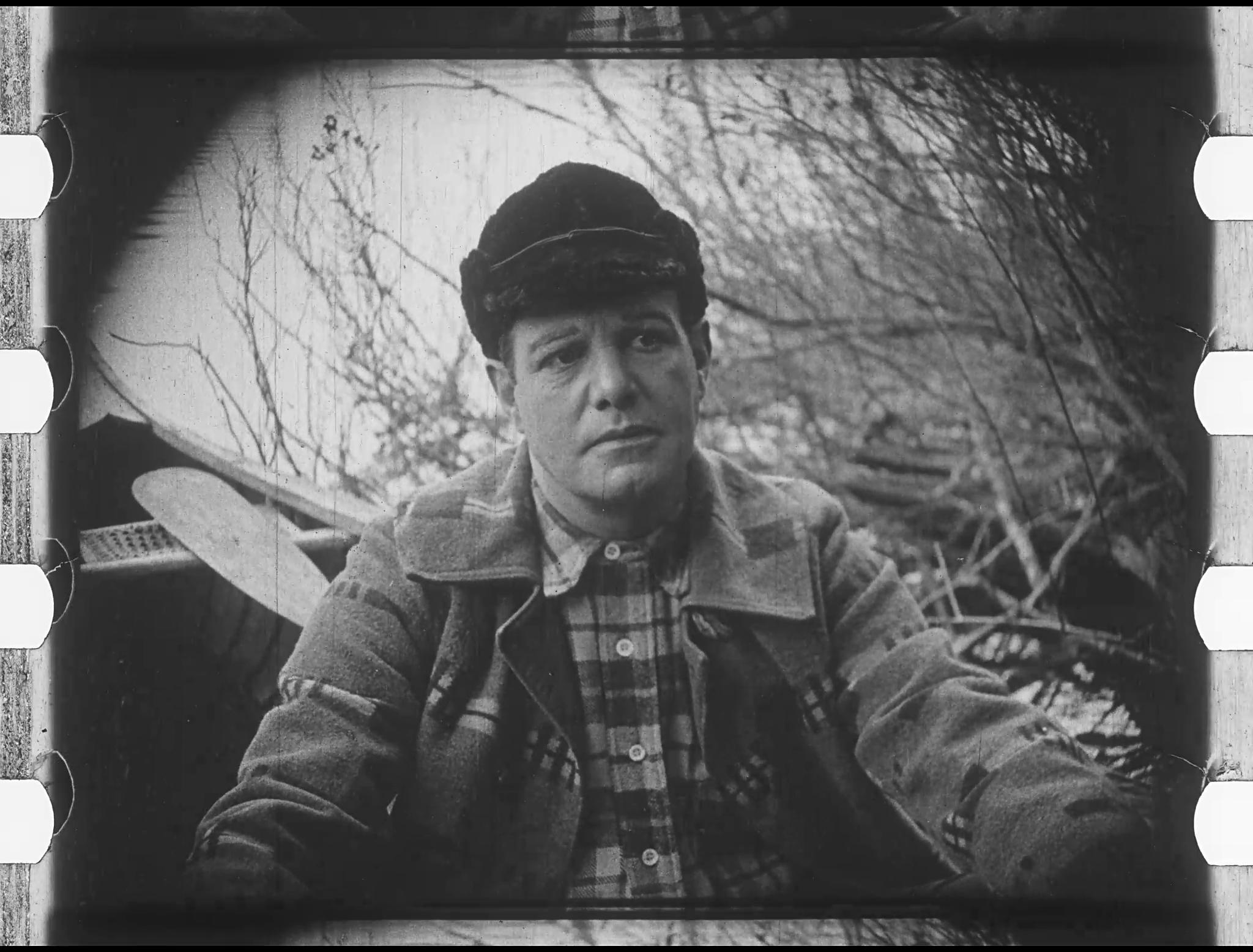
still_frame
still_frame
still_frame
still_frame

still_frame

Comparing the cinematic DNA and archive impact of two defining moments in cult history.
Jacques Feyder
Jacques Feyder
Community
Log in to comment.
" The first time I saw Crainquebille I walked out into drizzling midnight convinced that every city street had grown a thin layer of invisible moss—something soft, damp, quietly suffocating. Jacques Feyder’s 1923 film is less a narrative than a spore: once inhaled, it colonises your perception of civility, justice, even the sound of gavels. Nearly a century later, the picture still feels like a thumb pressed to a bruise that never quite heals. Few silents risk lingering on the banal; they crave..."
Jacques Feyder, Anatole France
France

Deep dive into the cult classic
Discover similar cinematic experiences
A Directorial Spotlight on Jacques Feyder