"One death, and thousands of lives restored to existence. For some useless life a thousand lives saved from decay and death.
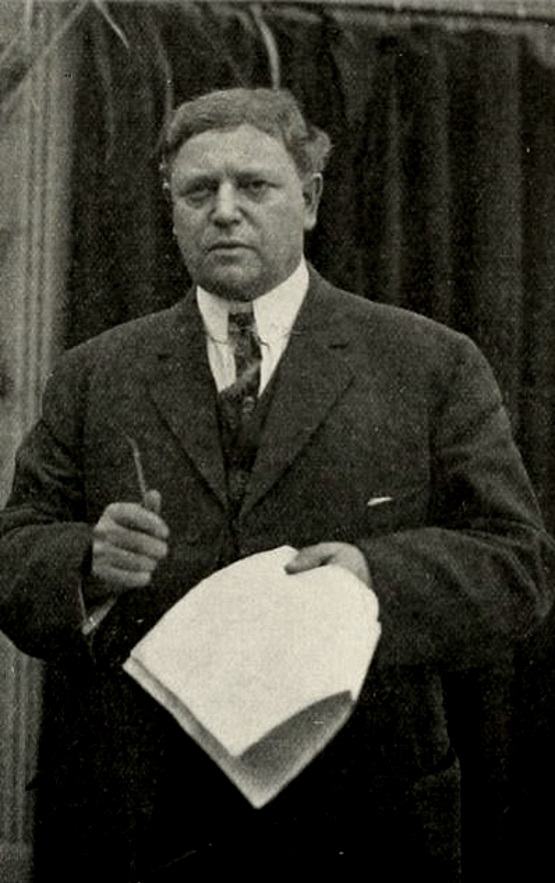
Charles A. Taylor, Fyodor Dostoevsky
United States
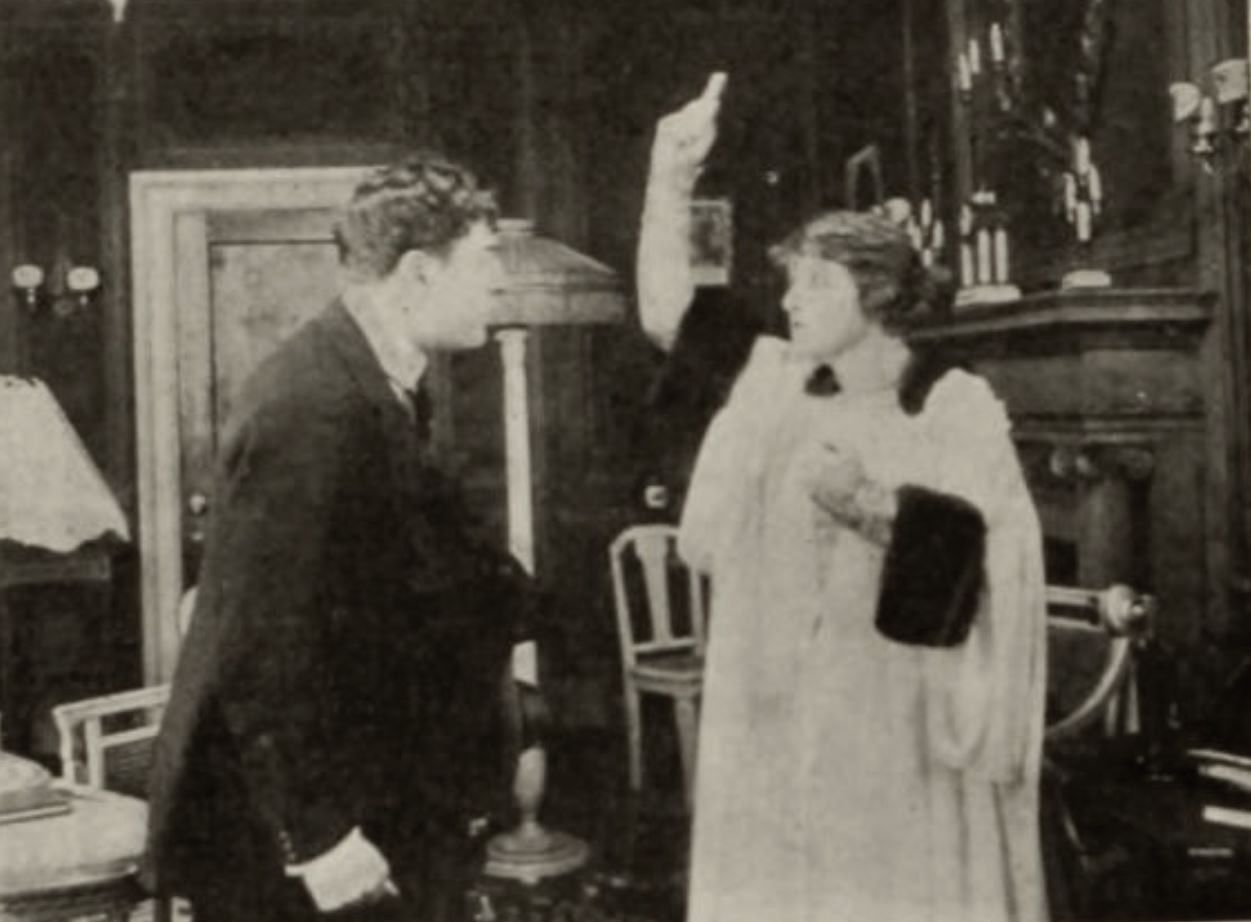
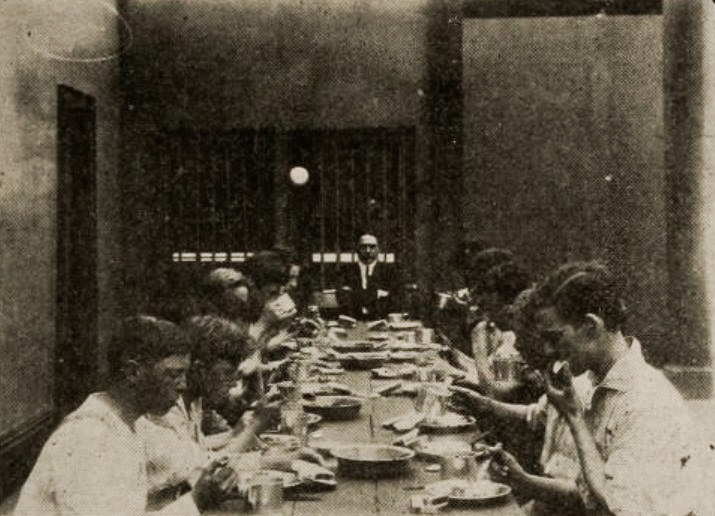
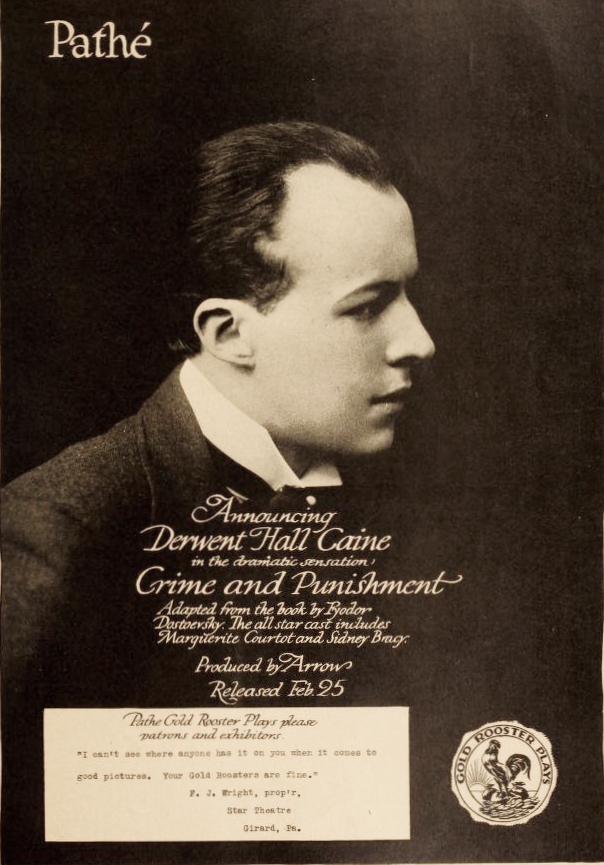
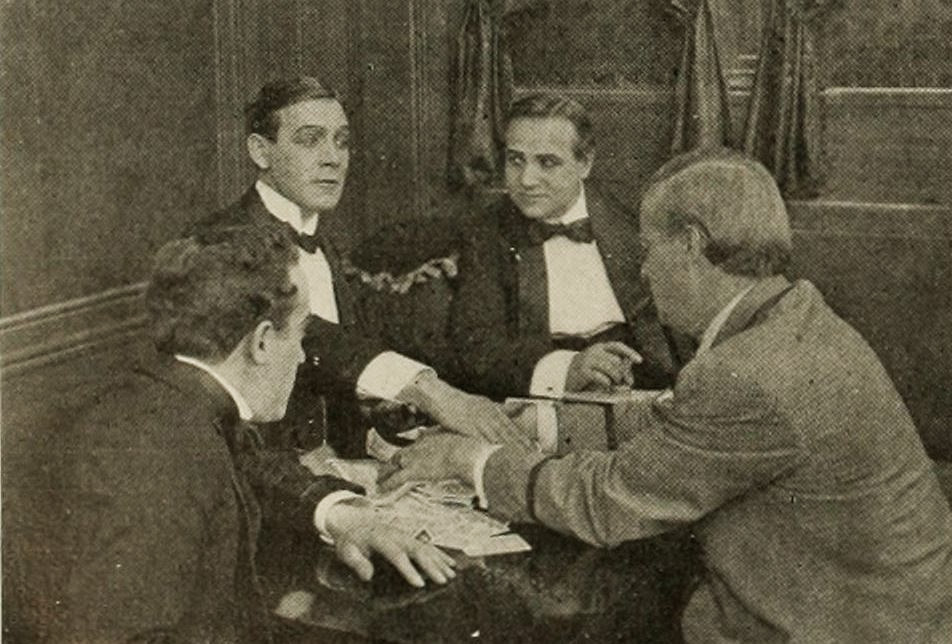
Moral Arithmetic in a Tenement Inferno Imagine the nickelodeon’s velvet curtain parting to reveal not snow-swept Nevsky Prospect but the clamorous pushcarts of Hester Street, circa 1915. Into this Jacob Riis photograph steps Derwent Hall Caine’s Rodion—eyes like blown fuses, hair a black haystack of insomnia—muttering...
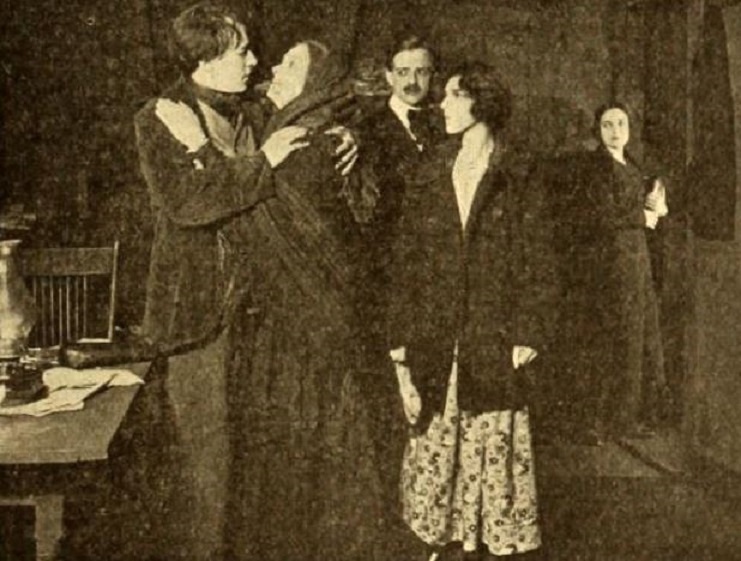
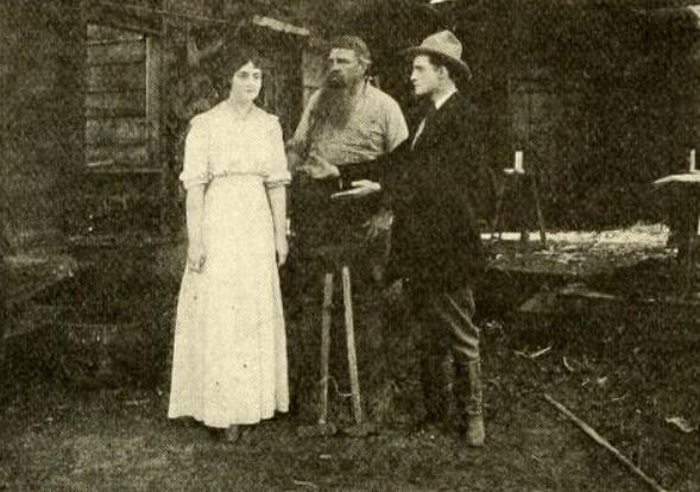
still_frame
Comparing the cinematic DNA and archive impact of two defining moments in cult history.
Lawrence B. McGill
Lawrence B. McGill
Community
Log in to comment.
" Moral Arithmetic in a Tenement Inferno Imagine the nickelodeon’s velvet curtain parting to reveal not snow-swept Nevsky Prospect but the clamorous pushcarts of Hester Street, circa 1915. Into this Jacob Riis photograph steps Derwent Hall Caine’s Rodion—eyes like blown fuses, hair a black haystack of insomnia—muttering Napoléonic sums: one negligible hag subtracted, multitudes added back to life. The film, shot when America still read Dostoevsky in dime-noise digests, relocates metaphysical guil..."
Deep dive into the cult classic
Discover similar cinematic experiences
A Directorial Spotlight on Lawrence B. McGill