
DbcultAccessing Vault...
Director's Spotlight
Senior Film Conservator
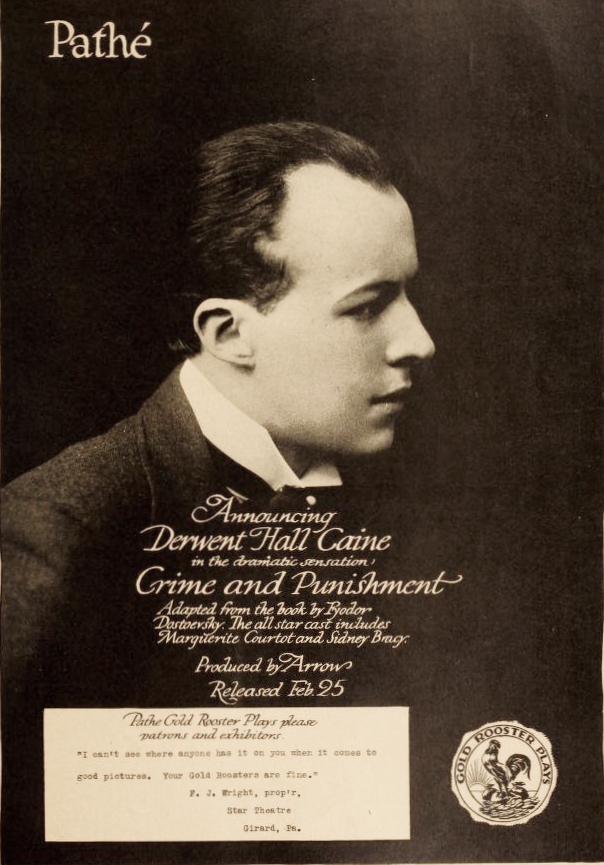
Director's Spotlight: United States
A Deep Dive into the 1917 Vision of Lawrence B. McGill
The brilliance of Crime and Punishment (1917) is inseparable from the visionary mind of its creator, Lawrence B. McGill. Serving as a mirror to the anxieties of a changing world, it persists as a haunting reminder of our own cinematic history.
In Crime and Punishment, Lawrence B. McGill pushes the boundaries of conventional narrative. The film's unique approach to its subject matter has sparked endless debates and interpretations among cinephiles and critics alike.
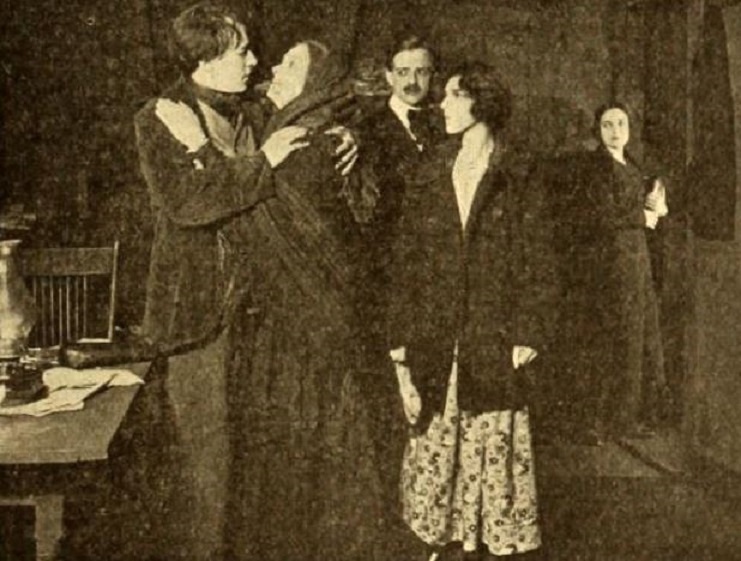
In this work, Lawrence B. McGill explores the intersection of cult and United States cultural identity. The meticulous attention to detail suggests a deep-seated commitment to pushing the boundaries of the medium, ensuring that Crime and Punishment remains a relevant topic of study for cult enthusiasts.
| Cinematography | Static |
| Soundtrack | Minimalist |
| Editing | Disjunctive |
| Art Direction | Baroque |
Visualizing the convergence of Lawrence B. McGill's style and the core cult narrative.
"One death, and thousands of lives restored to existence. For some useless life a thousand lives saved from decay and death. Shall not one little crime be effaced and atoned by a million good deeds?" So ran Rodion Raskolnikoff's creed in the book which was responsible for his being expelled from the University, but which elected him the leader of a secret brotherhood which admired him. The law proving too hot for him, he is finally forced to flee to America, still preaching his same doctrine. Rodion's heart is touched by the poverty on the East Side and he determines to kill a pawnbroker who mercilessly squeezes the poor unfortunates to their last cent. He accomplishes the deed, takes money from the safe, uses it for the needy and manages to keep the guilt from himself. But the crime is fastened on an innocent man, who, to escape further torture of a relentless third degree confesses to a crime he had no hand in. Then comes Rodion's struggle between his conscience and his creed, and through the guidance of a "lost sister of the streets," he rejects the faith he founded and acknowledges his guilt.
Decades after its release, Crime and Punishment remains a vital piece of the cinematic puzzle. Its influence can be seen in countless modern works, solidifying Lawrence B. McGill's status as a master of the craft in United States and beyond.