Summary
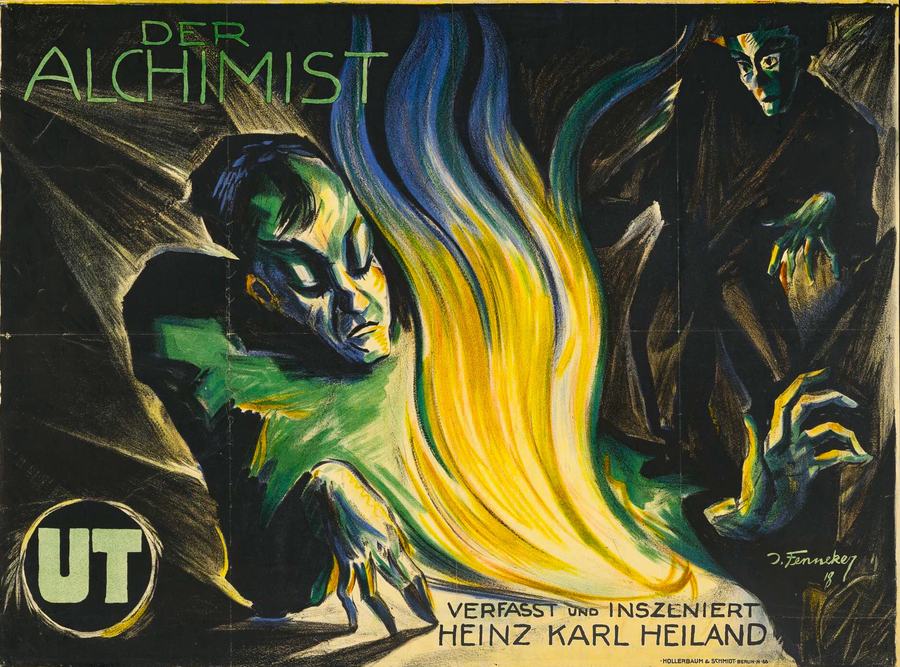
A shuttered apothecary in a fog-latticed Baltic port exhales dust as ageing scholar Gregor—eyes like tarnished coins—unlocks its worm-chewed ledger and resurrects a recipe rumoured to spin blood into auric noonlight. While copper alembics perspire, his restless daughter Elsbet prowls the wharfs, trading salt-stung glances with a dockworker whose muscles remember every crate ever hurled by imperial decree. Into this crucible of rust and revenant dreams strides Dr. Varnak, a travelling mesmerist whose cloak smells of cities that no longer exist; he offers patronage to Gregor in exchange for a draught that will anneal his own barren soul. As furnaces roar, the potion’s first test spills across the cobblestones: a plague-stricken sailor coughs up petals of living gold, then collapses into ash—leaving the gawkers to wonder whether miracle or warning has visited them. Elsbet, sensing her father’s pact will drown them all, bargains with a clandestine ring of smugglers to spirit the formula away across the winter-black strait. But greed calcifies faster than charity: the smugglers hijack the laboratory, shackling Gregor to his own alembic while Varnak’s eyes reflect torchlight like obsidian blades. In the ensuing maelstrom of alkahest and gunpowder, Elsbet must decide whether to scuttle her lineage or transmute filial love into a weapon sharp enough to slice through centuries of occult rot. The final reel combusts in phosphor white: a cauldron overturns, the town’s bell tower melts into a lava of bronze, and from the smouldering ruins a single girl walks seaward clutching a vial that now contains not gold but a dusk-coloured liquid that smells of tomorrow’s storms.
Review Excerpt
"
There are films that narrate; then there are films that distil—fermenting image into incense, celluloid into crucible. Der Alchimist, long buried beneath the sediment of Weimar excess, belongs to the latter caste.
Shot through with the iodine-stained mists of Lübeck docks, Karl Heiland’s script drips with the same heretical perfume that once got Paracelsus booted out of Basel. Yet the picture’s true philosopher’s stone is not narrative but texture: every frame appears marinated in lamp-oil an..."