DbcultAccessing Vault...
6/10
Senior Film Conservator
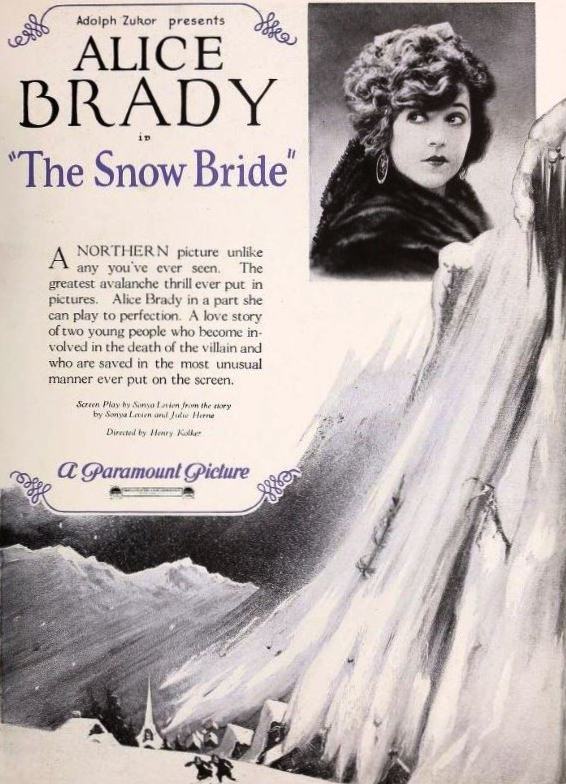
A definitive 6/10 rating for a film that redefined the boundaries of cult cinema. The Snow Bride remains a cornerstone of transgressive art.
The Snow Bride, a silent film from 1922, is a complex tapestry woven from threads of love, deceit, and the unyielding power of fate. The story unfolds against the backdrop of a small, snow-encrusted village, where the rugged beauty of nature stands in stark contrast to the darkness that lurks within the human heart. At the center of this narrative is Annette, a young woman whose life becomes a maelstrom of tragedy and heartache when her father, Gaston, promises her hand in marriage to the unsavory Paul Gerard. This pact is sealed in blood, literally, as Gerard bears witness to Gaston's cold-blooded murder of Indian Charlie, an event that sets in motion a chain of disastrous consequences.
Annette's love, however, belongs to another - the noble and just Sheriff André Porel. Torn between her duty to her father and her passion for André, Annette finds herself trapped in a desperate situation, with no clear escape from the suffocating grip of her arranged marriage. It is in this state of utter despair that Annette contemplates the drastic act of suicide, a poignant testament to the depths of human suffering. Yet, in a twist of fate that is as unexpected as it is tragic, Gerard unwittingly drinks the poison intended for Annette, thereby sealing his own fate and setting Annette on a path to wrongful conviction and the shadow of the gallows.
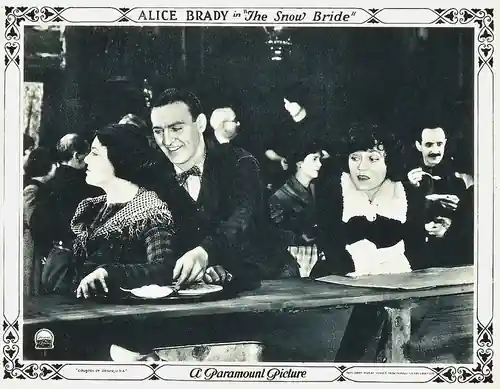
The film's climax, marked by an avalanche that miraculously intervenes in Annette's execution, not only saves her from the jaws of death but also serves as a dramatic turning point in the narrative. This cataclysmic event, interpreted by the villagers as a divine sign of Annette's innocence, leads to her release and ultimately, her union with André. The avalanche, with its powerful and unbridled force, symbolizes the unstoppable nature of true love and justice, sweeping away the obstacles that had threatened to destroy Annette's life.
In analyzing The Snow Bride, it becomes evident that the film explores themes of love, morality, and the human condition with a depth and nuance that transcends its silent era origins. The character of Annette, with her tragic plight and ultimate redemption, serves as a powerful symbol of the resilience of the human spirit. Her story, intertwined with those of the men in her life - the villainous Gaston, the unfortunate Gerard, and the heroic André - paints a rich and complex picture of human relationships, fraught with tension, drama, and the inevitability of fate.
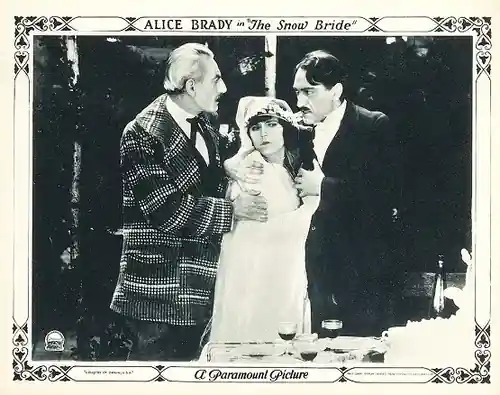
The cinematography of The Snow Bride is noteworthy for its use of natural landscapes to convey the mood and atmosphere of the narrative. The snow-covered vistas, with their pristine beauty and dangerous unpredictability, serve as a constant reminder of the fragile nature of human existence and the overwhelming power of the natural world. This contrast between the beauty of nature and the ugliness of human deeds adds a layer of depth to the film, underscoring the universal themes that underpin the story.
When compared to other films of its era, such as It's No Laughing Matter or Submarines and Simps, The Snow Bride stands out for its dramatic intensity and the moral complexity of its characters. The film's narrative, while straightforward in its progression, is layered with themes and motifs that invite reflection and analysis. This is particularly evident in its portrayal of the female protagonist, Annette, who embodies a mix of vulnerability and strength, challenging the traditional roles often assigned to women in silent films.
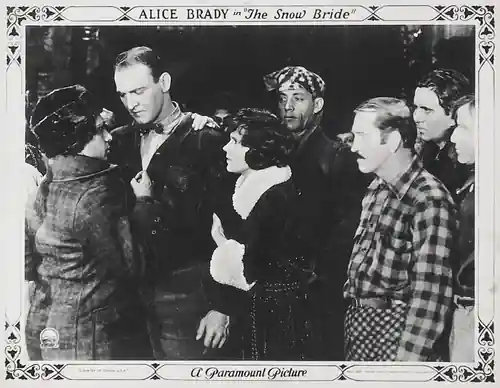
The performance of the cast, including Margaret Morgan as Annette and Mario Majeroni as André, brings a level of authenticity and emotional depth to the film. Their portrayals, while silent, speak volumes through expression and gesture, highlighting the universality of human emotions that transcend the boundaries of language and time. The chemistry between the leads is palpable, making their love story believable and engaging, despite the melodramatic twists and turns of the plot.
In conclusion, The Snow Bride is a film that, despite its age, retains a powerful allure. Its story, replete with themes of love, betrayal, and redemption, continues to captivate audiences with its timeless appeal. The film's use of natural landscapes, its complex characters, and the dramatic turn of events that shape the narrative all contribute to a cinematic experience that is as haunting as it is beautiful. For those interested in the silent film era and its masterpieces, The Snow Bride is a must-see, a testament to the enduring power of cinema to tell stories that touch the heart and challenge the mind.
The legacy of The Snow Bride can also be seen in its influence on later films, such as The Jailbird and The Desire of the Moth, which also explore themes of love, morality, and the human condition. This influence, while not always direct, speaks to the film's impact on the broader cinematic landscape, contributing to a tradition of storytelling that values drama, romance, and the exploration of the human experience.
Ultimately, The Snow Bride is a film that rewards close viewing and reflection. Its complex characters, dramatic plot twists, and the timeless themes it explores make it a compelling watch for audiences today. As a piece of cinematic history, it stands as a testament to the artistry and vision of its creators, who, through their work, continue to captivate and inspire new generations of film enthusiasts and scholars alike.

IMDb 6.1
1920
Community
Log in to comment.