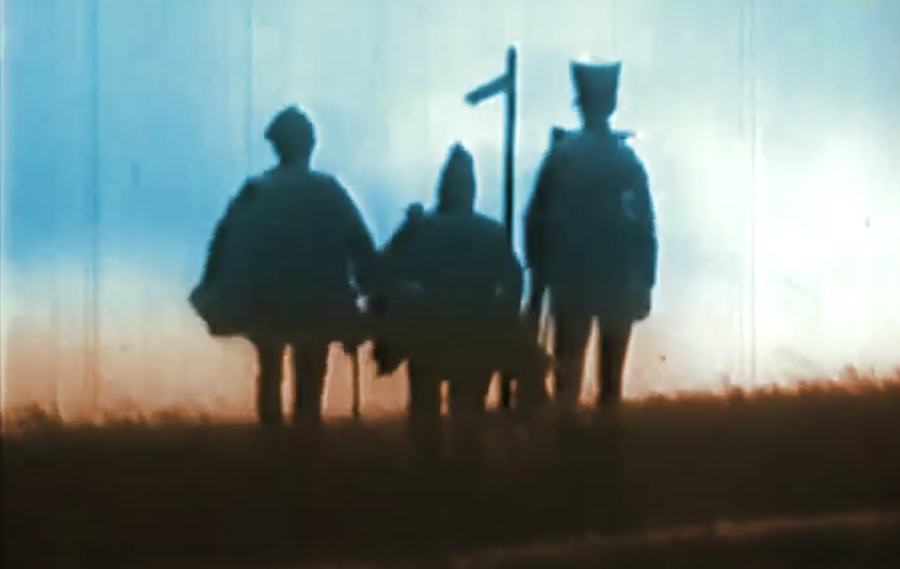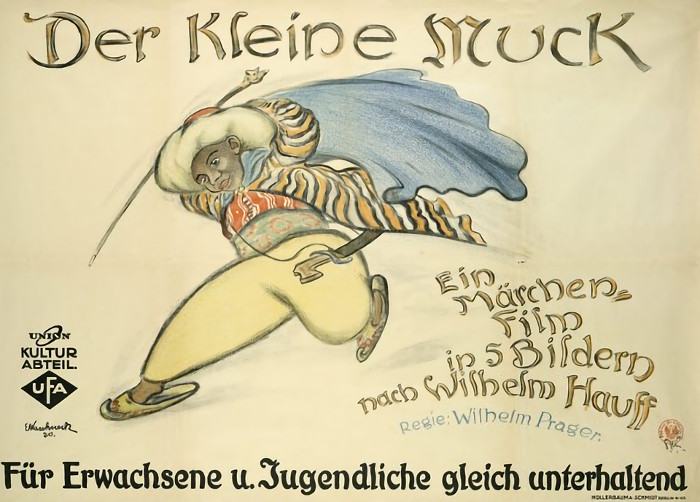
Wilhelm Hauff’s 1826 novella bleeds into 1943 Ufa studios under the shadow of bombers, and what emerges is a celluloid fever-dream that smells of turpentine, cardamom, and cordite. Johannes Meyer, usually entrusted with naval melodramas, swaps periscopes for scimitars, yet keeps his signature fetish for claustrophob...
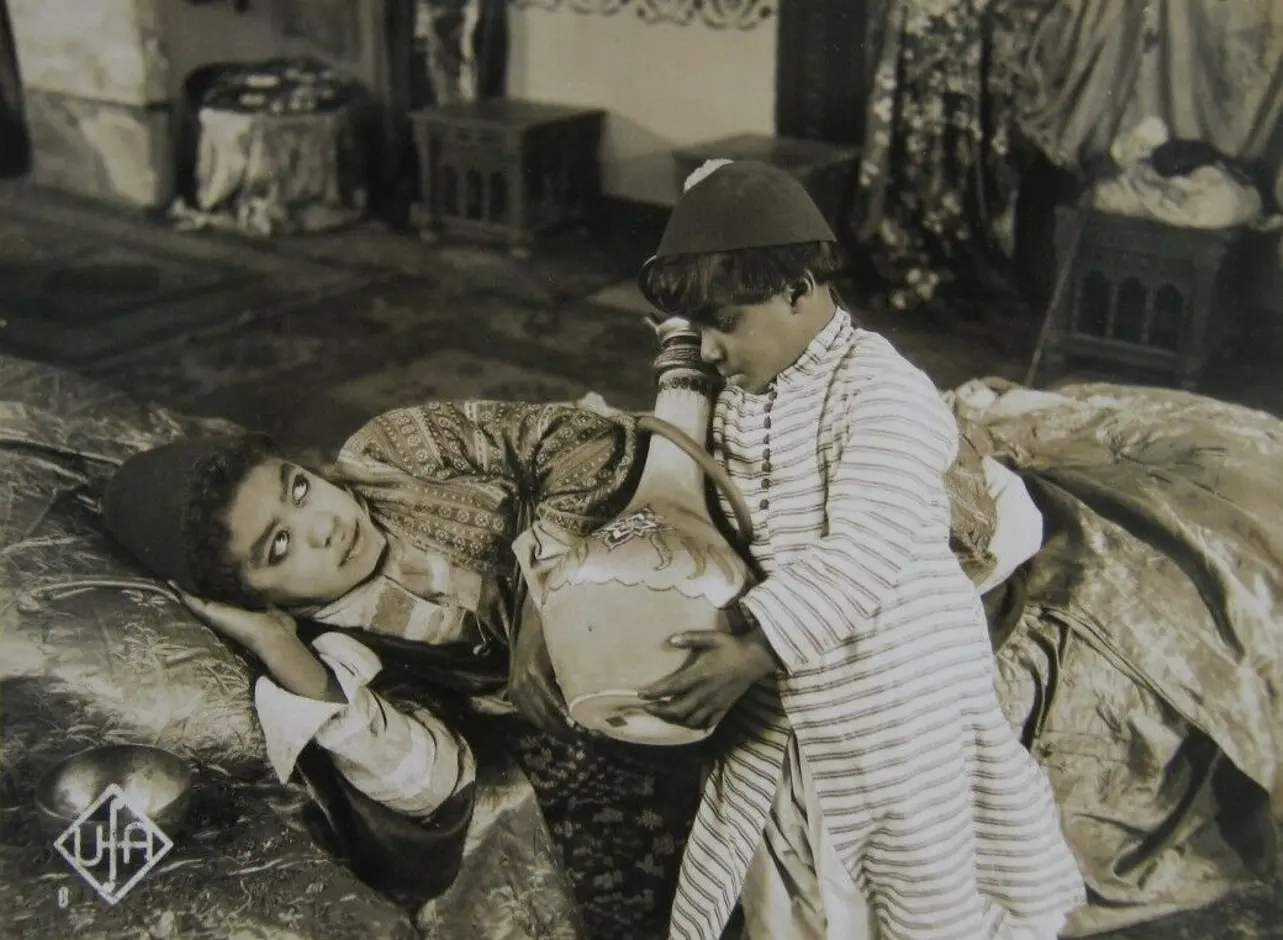
still_frame
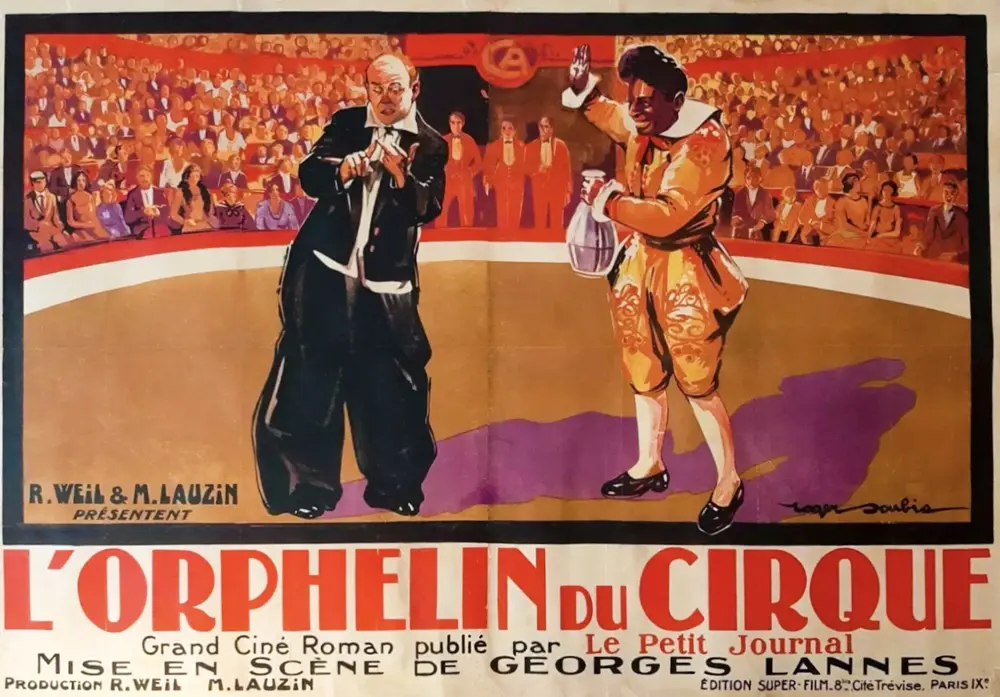
Comparing the cinematic DNA and archive impact of two defining moments in cult history.
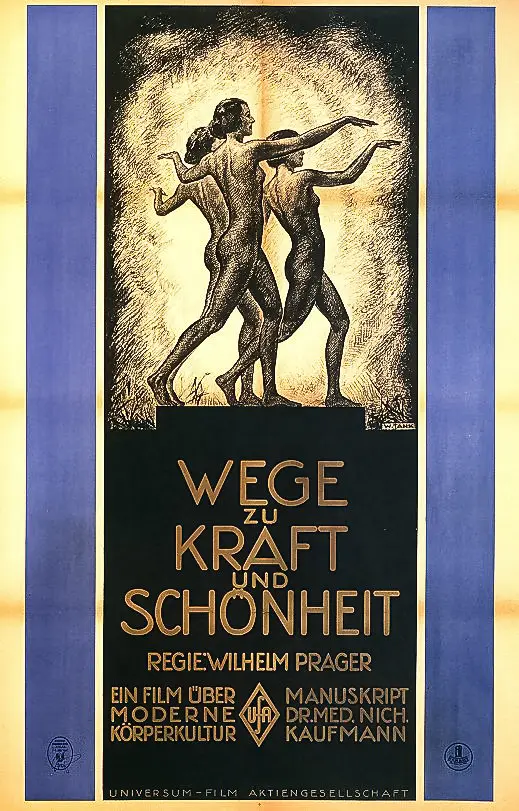
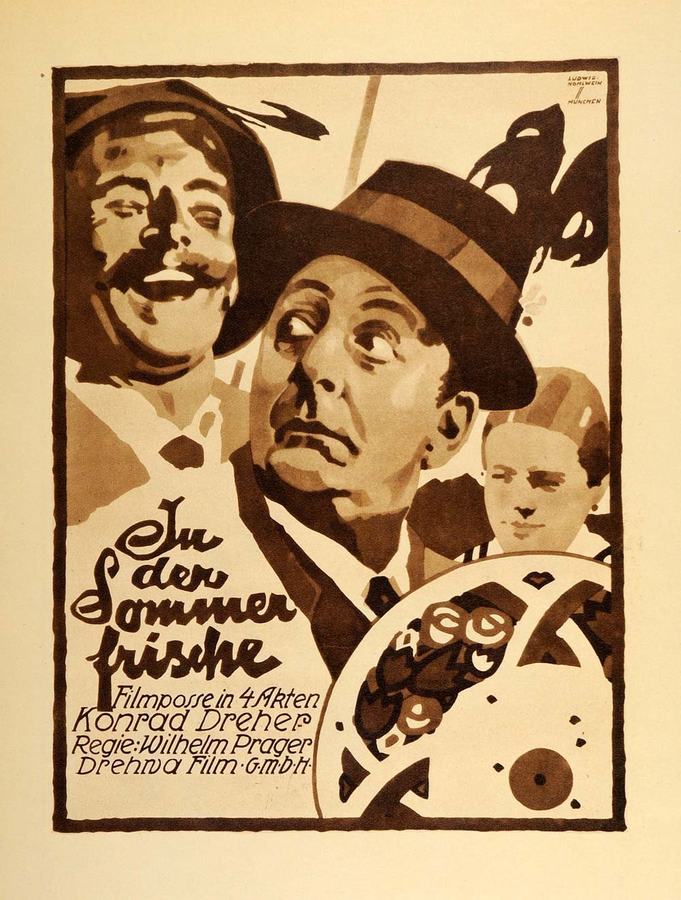
Wilhelm Prager
Wilhelm Prager
Community
Log in to comment.
" Wilhelm Hauff’s 1826 novella bleeds into 1943 Ufa studios under the shadow of bombers, and what emerges is a celluloid fever-dream that smells of turpentine, cardamom, and cordite. Johannes Meyer, usually entrusted with naval melodramas, swaps periscopes for scimitars, yet keeps his signature fetish for claustrophobic spaces: every bazaar aisle feels U-boat narrow, every palace corridor echoes like an air-raid shelter. The result is a children’s film that terrifies adults, a parable about col..."
Wilhelm Hauff, Wilhelm Prager, Johannes Meyer
Germany