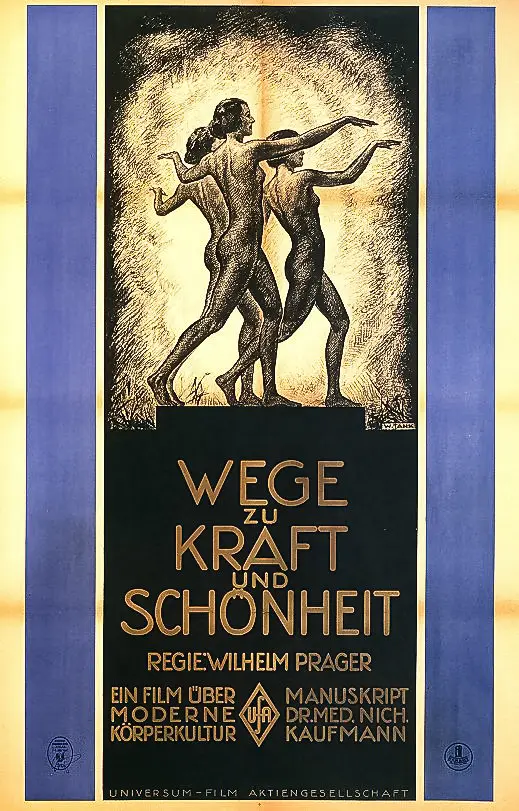
The perfect body as an object of cult worship. Based on the mass sports and body worship movement of the 1920s, the film propagates physical training and shows in stylized documentary scenes aspects of physical hygiene, gymnastics, sports and dancing as well as scenes in which supposed sportsmen of antiquity pose naked.
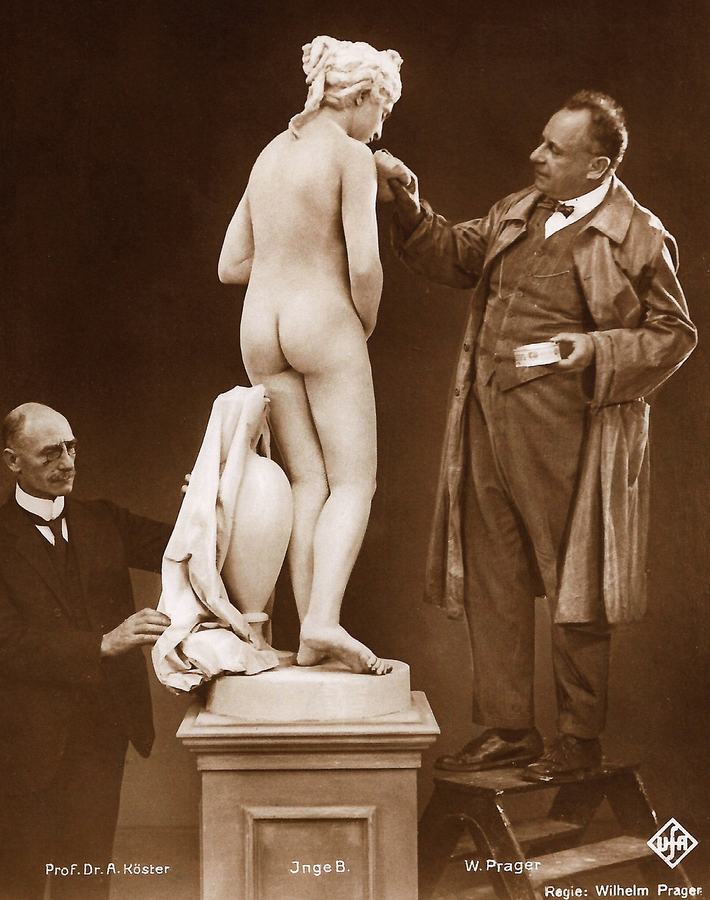
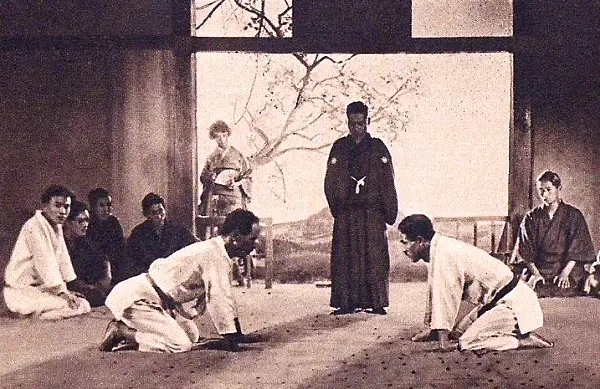
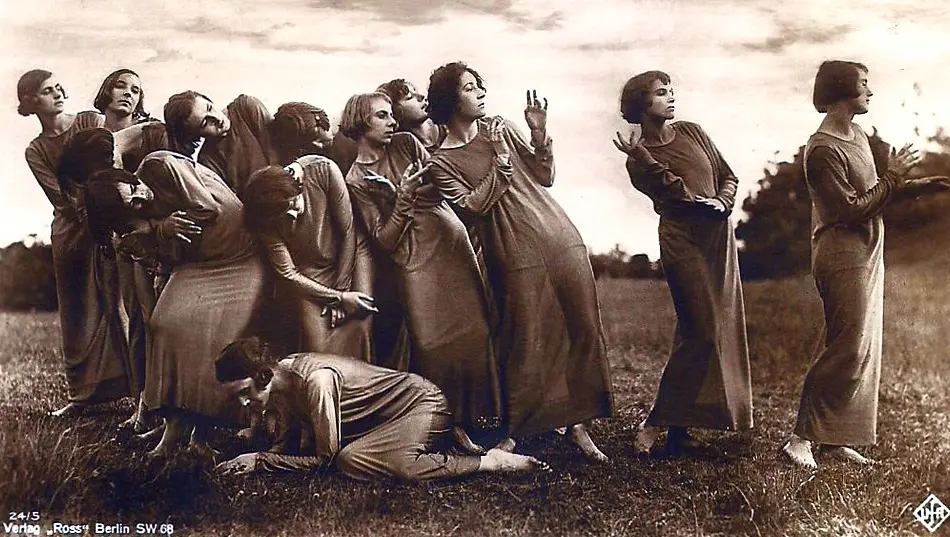
The cinematic landscape of the Weimar Republic was a crucible of innovation, experimentation, and profound societal reflection. Amidst the expressionist fantasies and gritty social realist dramas, a unique artifact emerged, one that dared to turn the camera inwards, focusing not on narrative escapism but on the hu...
still_frame
still_frame
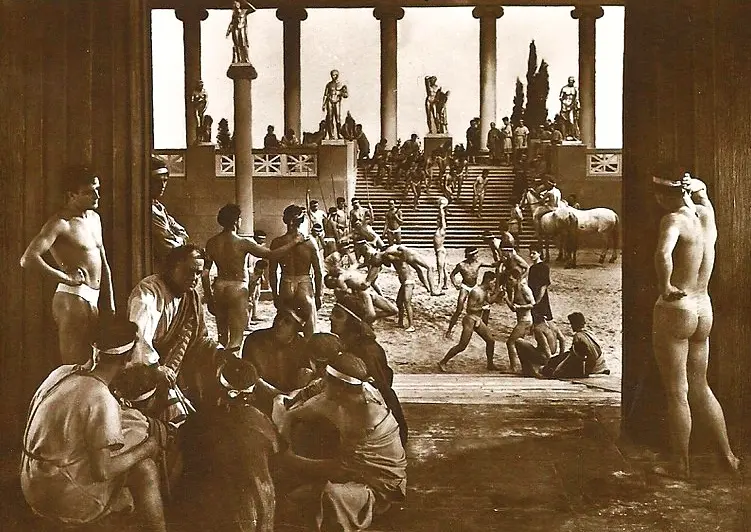
still_frame
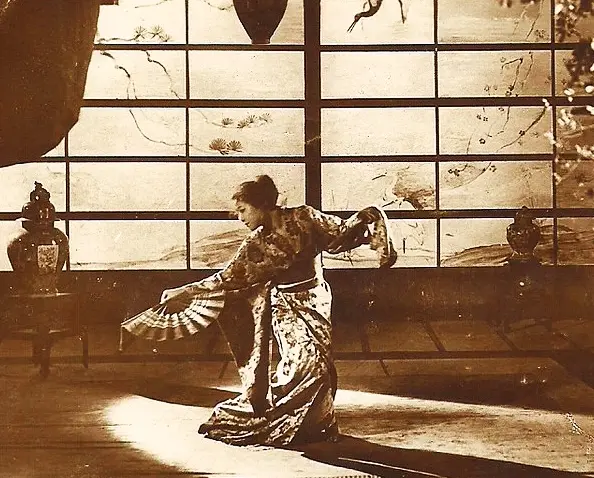
still_frame
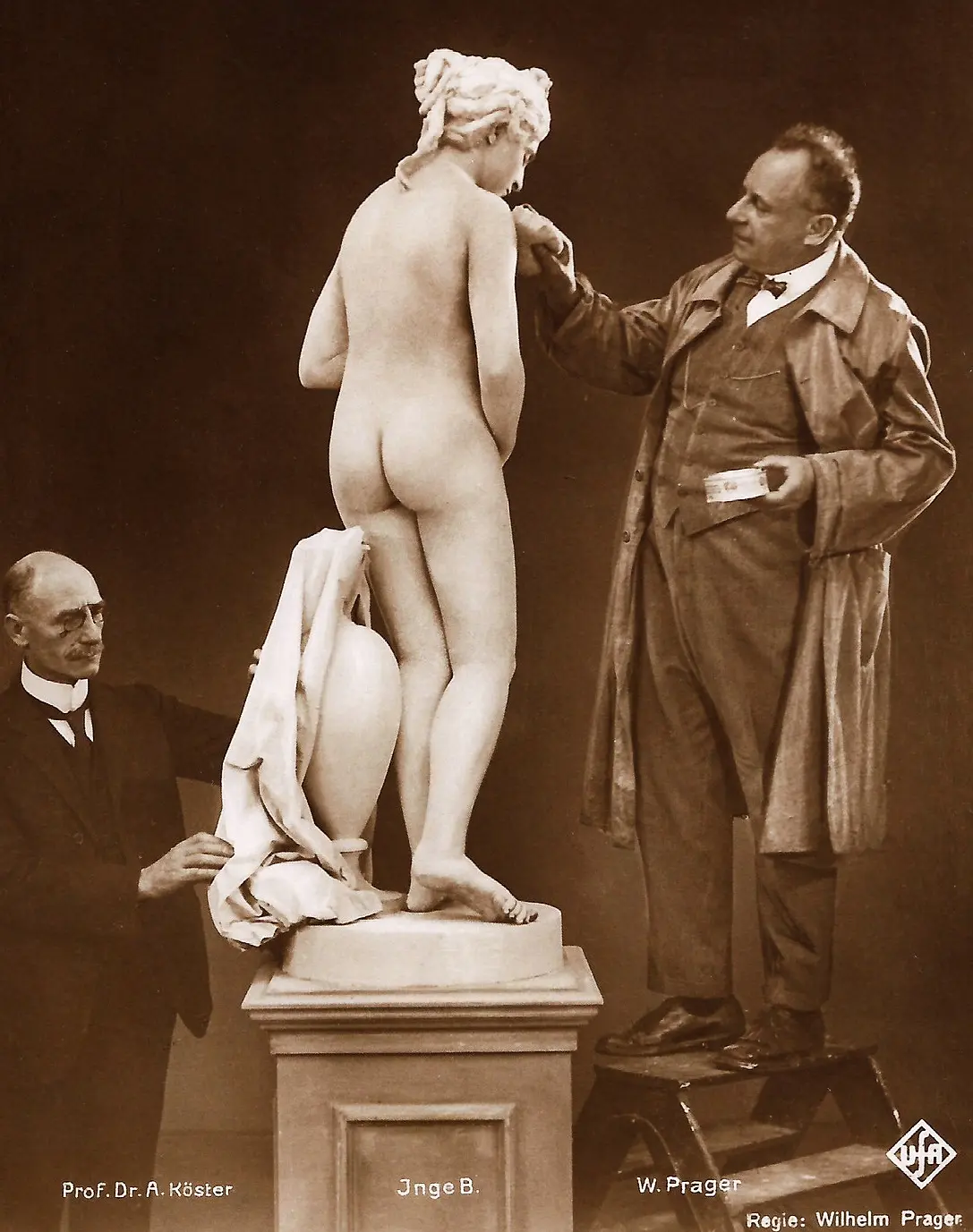
still_frame


Comparing the cinematic DNA and archive impact of two defining moments in cult history.
Wilhelm Prager
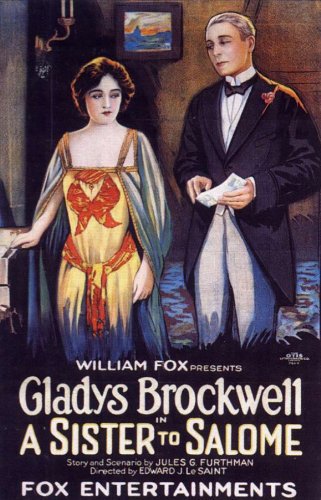
Edward LeSaint
" The cinematic landscape of the Weimar Republic was a crucible of innovation, experimentation, and profound societal reflection. Amidst the expressionist fantasies and gritty social realist dramas, a unique artifact emerged, one that dared to turn the camera inwards, focusing not on narrative escapism but on the human form itself: "Wege zu Kraft und Schönheit - Ein Film über moderne Körperkultur" (Paths to Strength and Beauty - A Film About Modern Body Culture). This 1925 silent film, a coll..."
Anita Berber
Wilhelm Prager, Nicholas Kaufmann, Ernst Krieger
Germany
Deep dive into the cult classic
Discover similar cinematic experiences
A Directorial Spotlight on Wilhelm Prager
Community
Log in to comment.