DbcultAccessing Vault...
Cult Review
Senior Film Conservator
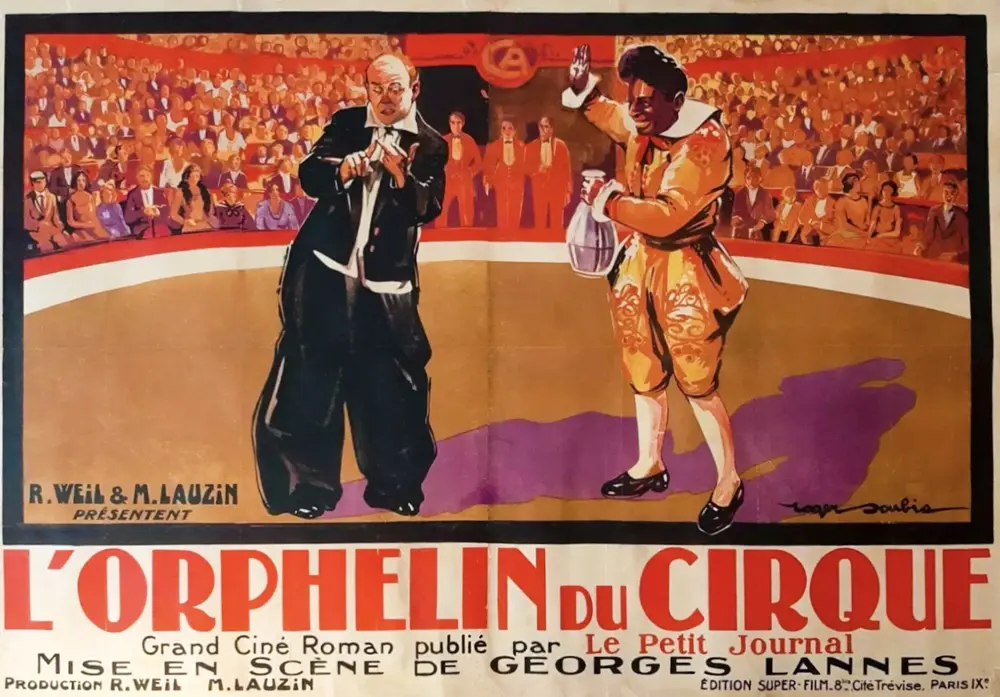
Is L'orphelin du cirque worth watching today? Short answer: yes, but with significant caveats that demand a particular kind of viewer. This silent French melodrama, rooted deeply in the early 20th-century cinematic tradition, offers a fascinating glimpse into a bygone era of storytelling, yet it requires patience and an appreciation for its historical context to truly resonate.
This film is unequivocally for those with a keen interest in silent cinema, particularly French melodramas, and for cinephiles who value historical preservation and the evolution of film narrative. It’s for viewers who can find beauty in broad gestures, stark emotional contrasts, and the unique cadence of storytelling without spoken dialogue. Conversely, it is decidedly NOT for audiences accustomed to rapid pacing, complex psychological realism, or the immersive soundscapes of modern cinema. If you struggle with intertitles or find silent performances overly theatrical, this will likely be a challenging watch.
L'orphelin du cirque, penned by Pierre Mariel and Georges Lannes, is a deep dive into the melodramatic heart of early 20th-century French cinema. It’s a film that, despite its age, manages to convey a tangible sense of both the magic and the harsh reality of circus life. The narrative, while adhering to many tropes of its era – the virtuous orphan, the cruel guardian, the hidden secret – still possesses a certain timeless appeal in its exploration of human resilience.
The story of young Jean, toiling under Monsieur Dubois's tyrannical rule, is a stark reminder of the social inequities often depicted in silent films. This isn't just a tale of an orphan; it's a commentary on exploitation and the desperate struggle for survival in a world that offers little solace. The circus, rather than being a place of pure wonder, is painted as a gilded cage, a place of both dreams and despair.
What strikes me most is the film’s audacious attempt to marry grand spectacle with intimate human drama. While today's blockbusters achieve this through CGI and massive budgets, L'orphelin du cirque relies on the sheer force of its performers and the evocative power of its set pieces. The tragedy of the aerial act, for instance, isn't just a plot device; it's a moment designed to shock and to pivot the entire emotional trajectory of the film, a bold move for its time.
The film's exploration of 'found family' is particularly poignant. Jean's bond with Auguste the clown, played with a heartbreaking quietude by Georges Floquet, transcends mere mentorship. It’s a lifeline, a glimmer of genuine affection in an otherwise bleak existence. This dynamic provides the emotional core, making the grander, more melodramatic reveals feel earned, rather than simply imposed. It’s a testament to the power of human connection, even in the most unlikely of places.
It works. But it’s flawed. The reliance on intertitles, while necessary, occasionally breaks the flow, demanding a mental recalibration from the viewer that modern films rarely ask for. Yet, for all its limitations, the film's ambition to tell a sweeping, emotional story remains palpable, a testament to the nascent art form's desire to captivate and move its audience.
The acting in L'orphelin du cirque is a masterclass in silent-era theatricality, where emotions are writ large across faces and bodies. It's a style that can feel over-the-top to modern eyes, but it was essential for conveying narrative and feeling without dialogue. The cast, led by Berthe Jalabert, Georges Floquet, and the formidable Charles Vanel, truly embodies this era's performance demands.
Charles Vanel, as Monsieur Dubois, is a standout. He doesn't just play a villain; he embodies the desperation that fuels cruelty. His sneers are not merely evil; they are etched with the anxieties of a man losing control, a nuance that elevates him beyond a simple antagonist. One particular scene, where he furiously counts meager earnings after a poor show, perfectly captures his internal torment, making him a character you love to hate, yet also pity.
Georges Floquet's portrayal of Auguste the clown is equally compelling, albeit in a vastly different register. His is a performance of quiet dignity and profound sadness. Auguste's melancholic eyes and weary posture speak volumes, conveying a lifetime of hardship and hidden kindness. His interactions with Jean are tender and understated, providing a crucial emotional anchor. It's a performance that reminds me of Lon Chaney's more sympathetic roles, like in The Unknown, where the grotesque exterior hides a deeply sensitive soul.
Suzy Vernon, as Juliette, brings a much-needed spark of youthful defiance and vulnerability. Her longing glances towards Jean, often intercepted by Dubois's watchful eye, are beautifully subtle for the period. She embodies the hope for a better future, a counterpoint to the prevailing gloom. Her performance helps to lighten the heavy tone, ensuring the film doesn't descend into unrelenting despair.
The ensemble cast, including André Nox and Jacques Dorval, contributes significantly to the bustling, often chaotic atmosphere of the circus. Each performer, from the acrobats to the animal handlers, adds a layer of authenticity to the setting, making the circus feel like a living, breathing entity rather than just a backdrop. This collective effort is crucial for a film of this scale and period, where individual performances must contribute to a larger, cohesive world.
“The expressive power of silent film acting is often underestimated today, but L'orphelin du cirque serves as a potent reminder of its unique artistry. Every gesture, every facial contortion, is a deliberate stroke in a larger emotional painting.”
The technical aspects of L'orphelin du cirque, while impressive for its time, also highlight the nascent state of filmmaking in the early 20th century. The cinematography, while not groundbreaking compared to later silent epics like The Forbidden City, still manages to capture the inherent drama and visual appeal of the circus environment.
The directing, likely a collaborative effort given the era's common practices, demonstrates a clear understanding of visual storytelling. The framing often emphasizes the isolation of Jean within the vastness of the circus tent or the crowded, anonymous streets. There's a particular shot of Jean, small and forlorn, standing before the massive, painted entrance of the circus, which powerfully conveys his insignificance and longing for a true home.
Lighting is primarily functional, designed to illuminate the action, but there are moments of surprising artistry. The use of shadow during the more dramatic confrontations, especially involving Dubois, adds a layer of menace and psychological depth. This isn't the chiaroscuro mastery of a German Expressionist film, but it shows a developing awareness of light as a narrative tool.
The pacing, as mentioned, is a significant hurdle for modern viewers. Scenes unfold with a deliberate slowness that allows emotions to marinate, but can test patience. However, this deliberate pace also grants the audience time to absorb the visual details of the circus and the subtle shifts in character expression, which were paramount in silent films. The rhythm builds towards moments of high drama, such as the aforementioned aerial accident, which is staged with commendable tension despite the technical constraints.
Editing is straightforward, serving the narrative rather than drawing attention to itself. Cuts are primarily for continuity, moving the story forward without much experimentation. This simplicity, however, allows the emotional beats to land with directness, avoiding any visual cleverness that might detract from the raw sentiment. It’s a functional approach, but effective for its purpose.
The tone of L'orphelin du cirque is overwhelmingly melodramatic, which is entirely in keeping with the popular cinematic tastes of its period. It embraces grand gestures, clear-cut good and evil, and a narrative arc designed to elicit strong emotional responses. The film swings between moments of genuine pathos – Jean's quiet suffering, Auguste's resigned despair – and heightened tension, particularly around Dubois's machinations and the circus's precarious financial state.
Its emotional resonance, for those willing to engage with its style, is surprisingly potent. The themes of childhood innocence lost, the search for identity, and the enduring power of kindness against adversity are universal. The film doesn't shy away from the harsh realities of its setting, portraying the circus not just as a place of wonder but also as a crucible of hard work, danger, and exploitation. This dual perspective adds a layer of gritty realism to what could otherwise be a purely fantastical tale.
The narrative’s slow burn, while challenging, allows the audience to fully invest in Jean’s journey. The gradual unraveling of the hidden secret feels earned, rather than rushed. When the revelations finally come, they carry significant emotional weight, providing a sense of closure and justice that is deeply satisfying within the melodramatic framework. This deliberate unfolding is a hallmark of silent cinema, demanding active participation from the viewer to fill in the unspoken gaps.
One unconventional observation: the film’s portrayal of the circus animals, though brief, adds a layer of untamed unpredictability that mirrors the human drama. The raw power of the horses, the exoticism of other creatures – they are not merely props but living elements that contribute to the circus’s wild, untamed spirit, reflecting the primal struggles of the human characters themselves. It's a subtle yet effective touch that grounds the fantastical in something more visceral.
L'orphelin du cirque is far from a forgotten masterpiece, but it is undeniably a compelling piece of cinematic history. It stands as a testament to the power of visual storytelling in its infancy, delivering a potent emotional punch for those willing to meet it on its own terms. While its deliberate pacing and adherence to the melodramatic conventions of its era might test the patience of some, its strengths lie in its committed performances, particularly from Charles Vanel, and its rich, evocative depiction of circus life.
It's a film that demands an active, empathetic viewer, one who can appreciate the nuances of silent acting and the foundational elements of narrative cinema. For the right audience – dedicated cinephiles, students of film history, or simply those curious about the origins of storytelling on screen – L'orphelin du cirque offers a rewarding, if challenging, journey into a world both fantastical and harsh. It's not a film for everyone, but for those it is for, it offers a glimpse into the soul of early French cinema, proving that even without words, a powerful story can resonate across generations.
IMDb 5.9
1936
Community
Log in to comment.