Summary
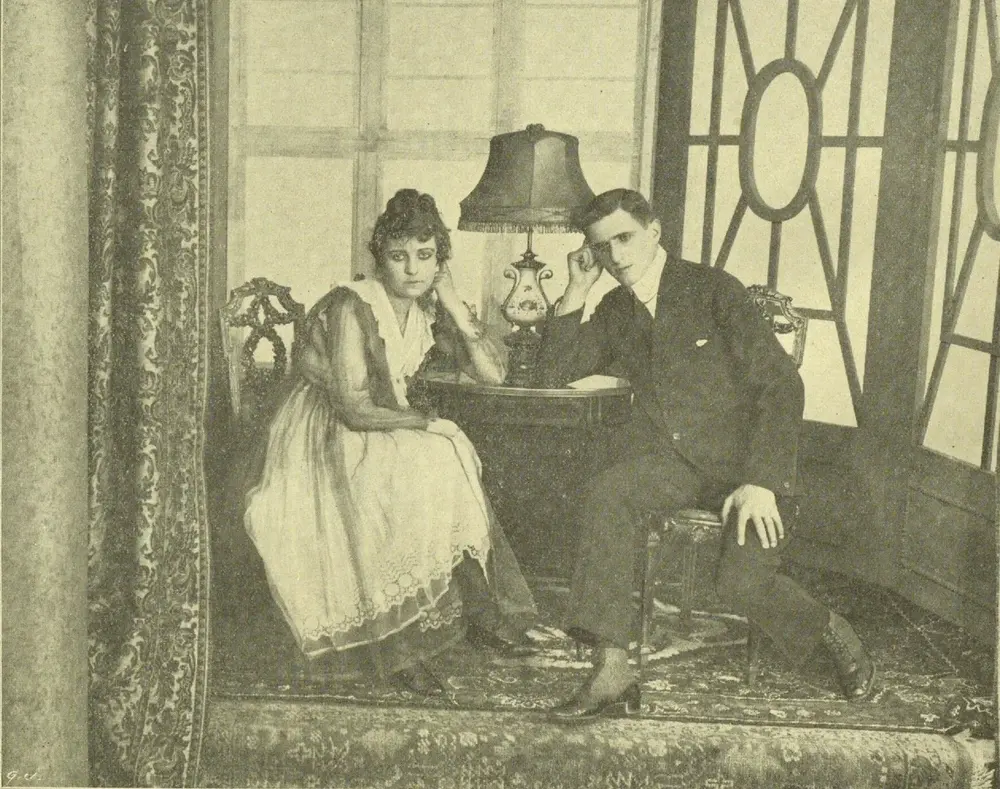
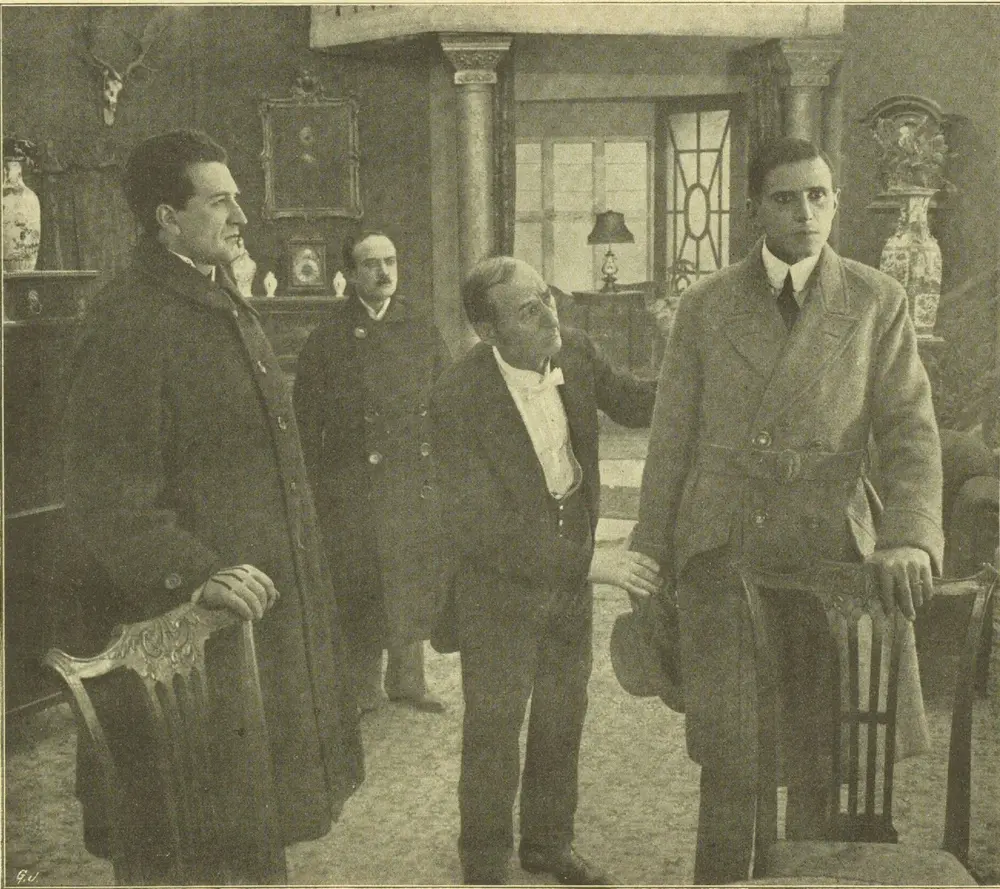
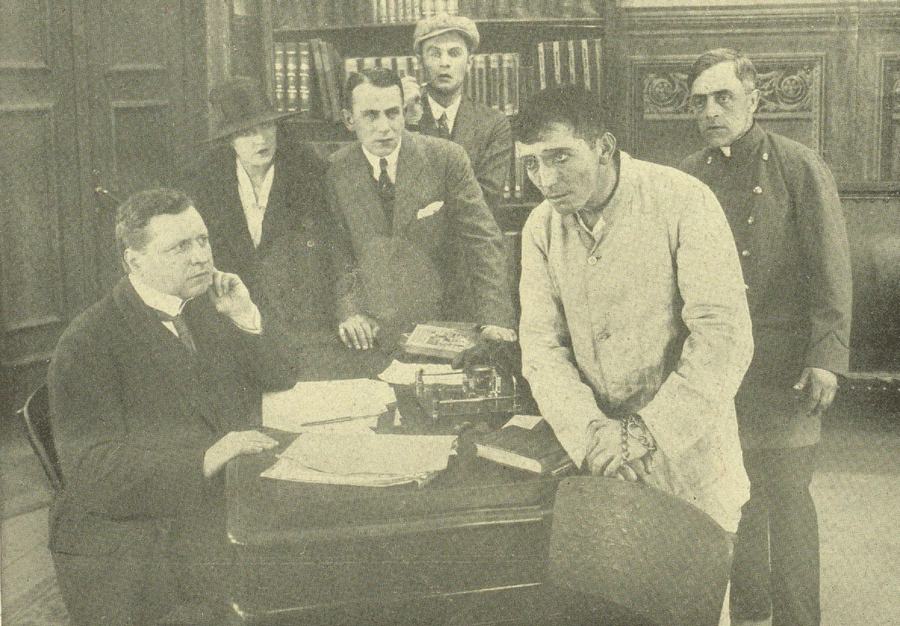
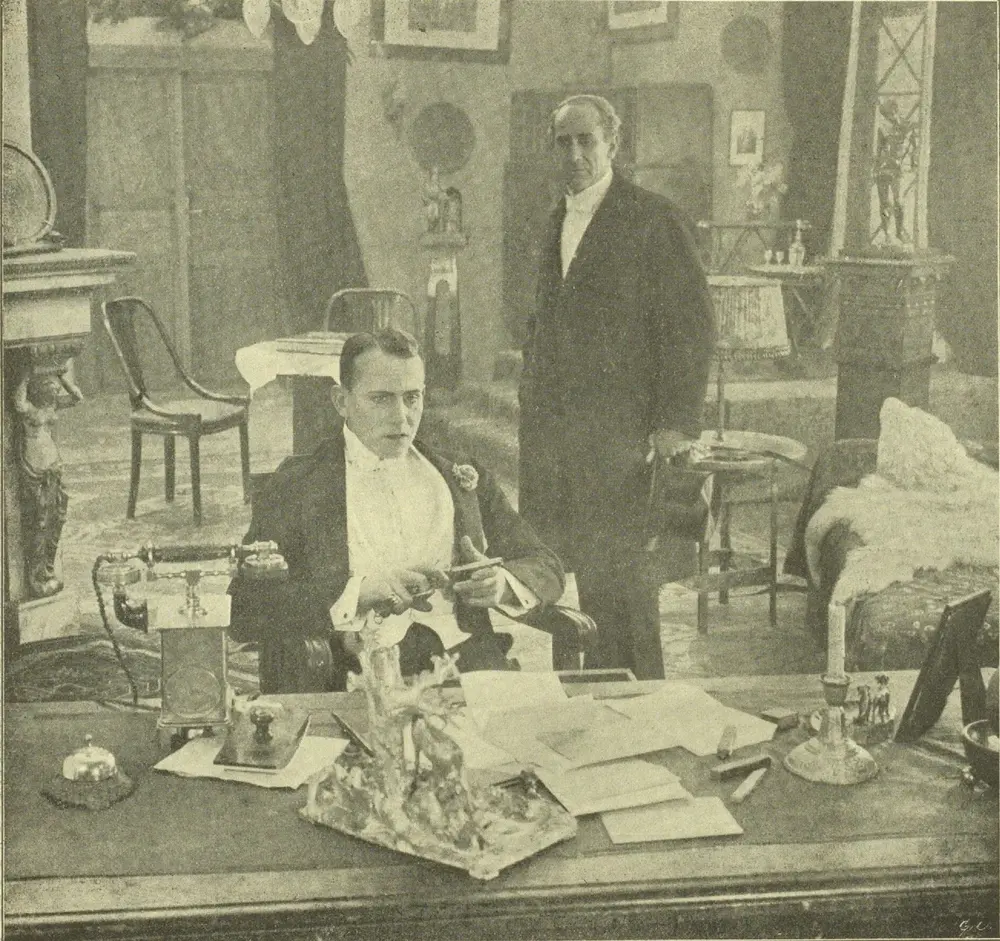
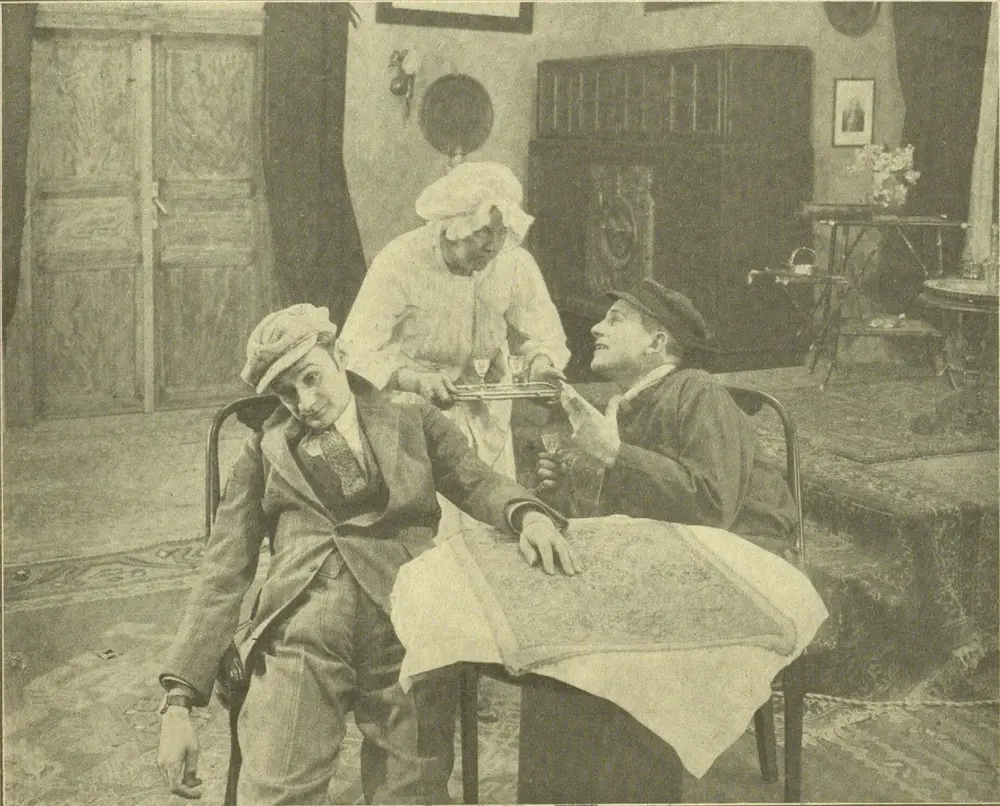
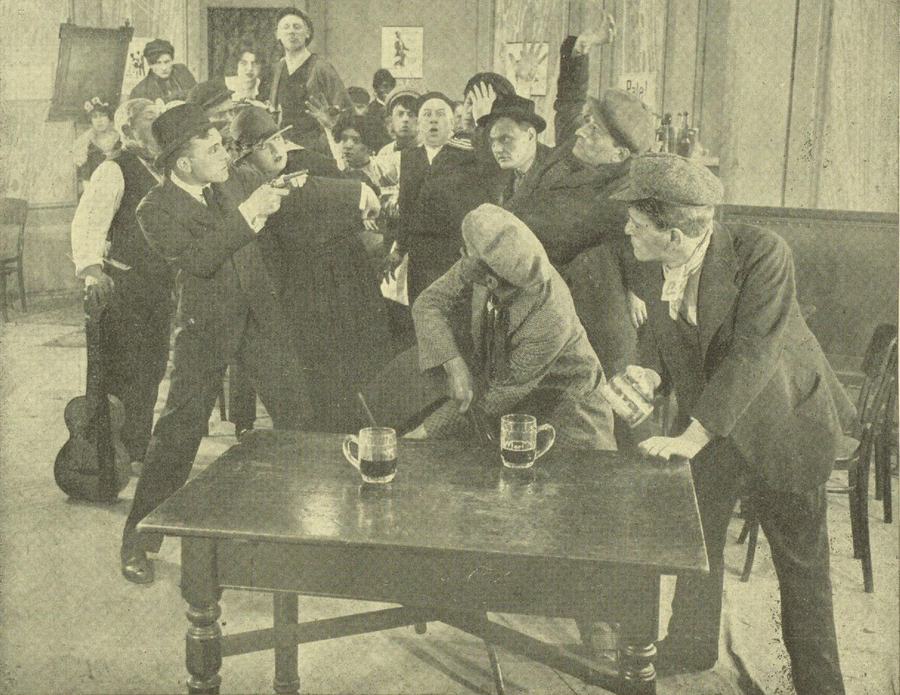
In a feudal landscape suffocated by the iron fist of Baron von Falkenburg, a tyrannical landowner portrayed with chilling conviction by Eugen Jensen, we are introduced to Karl, a young serf embodied with quiet intensity by Walter Huber. Karl's existence, like that of his entire village, is a ceaseless cycle of grueling labor and abject subjugation, a life devoid of agency or aspiration. Yet, amidst this crushing reality, a burgeoning affection blossoms between Karl and Elara, the Baron's daughter, a role imbued with nuanced vulnerability by Martha Clemens. Their clandestine encounters, fraught with peril and the weight of their disparate stations, form the emotional core of this poignant narrative. The Baron, a figure of unbridled cruelty, perpetuates a reign of terror, symbolized by his ruthless exploitation of the land and its people, exacerbating the villagers' suffering. When a particularly egregious act of injustice—the seizure of common lands and the brutalization of a beloved elder, perhaps Franci Ferencz's character, a wise matriarch whose counsel grounds the community—ignites a spark of defiance within Karl, he finds himself at a moral precipice. His love for Elara intertwines with a burgeoning sense of duty to his people, forcing him to confront the seemingly insurmountable power structure that binds them all. The film meticulously charts Karl's transformation from a resigned chattel to a reluctant leader, his journey punctuated by moments of despair, strategic cunning, and ultimately, a desperate, climactic confrontation with the Baron. This struggle is not merely for personal freedom or forbidden love, but for the very soul of a community yearning for liberation from an oppressive yoke.
Review Excerpt
"
Unshackling the Soul: A Deep Dive into Der Leibeigene's Enduring Legacy
The cinematic tapestry is woven with countless narratives of struggle, but few resonate with the raw, visceral power of Der Leibeigene. This profound work, whose title translates simply yet tellingly to 'The Serf,' plunges audiences into the harrowing realities of feudal existence, a world where human dignity is a luxury, and freedom a distant, almost mythical whisper. It is a film that, even decades after its ince..."