DbcultAccessing Vault...
Cult Review
Senior Film Conservator
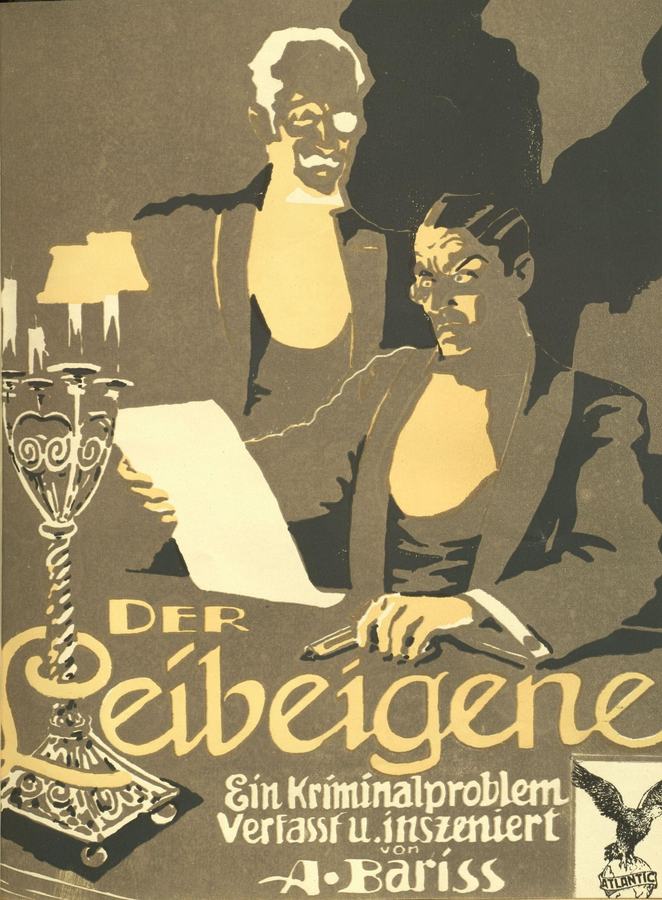
The cinematic tapestry is woven with countless narratives of struggle, but few resonate with the raw, visceral power of Der Leibeigene. This profound work, whose title translates simply yet tellingly to 'The Serf,' plunges audiences into the harrowing realities of feudal existence, a world where human dignity is a luxury, and freedom a distant, almost mythical whisper. It is a film that, even decades after its inception, speaks volumes about the enduring human spirit in the face of systemic oppression, presenting a timeless tableau of injustice and the incandescent spark of rebellion.
At its core, Der Leibeigene is a character study of Karl, portrayed with a quiet, smoldering intensity by Walter Huber. Huber’s performance is a masterclass in understated emotion, conveying the profound weariness of generations of servitude while simultaneously hinting at an untapped reservoir of defiance. We witness Karl’s transformation not through grand pronouncements, but through the subtle shifts in his gaze, the tightening of his jaw, the almost imperceptible straightening of his posture as the narrative progresses. He is the archetypal everyman, burdened by an inescapable fate, yet possessing an inner fire that refuses to be extinguished. His initial resignation is palpable, a resignation born of a life circumscribed by the arbitrary whims of his overlords. Yet, this very resignation makes his eventual awakening all the more potent, a testament to the slow burn of injustice that can eventually ignite the most dormant of souls.
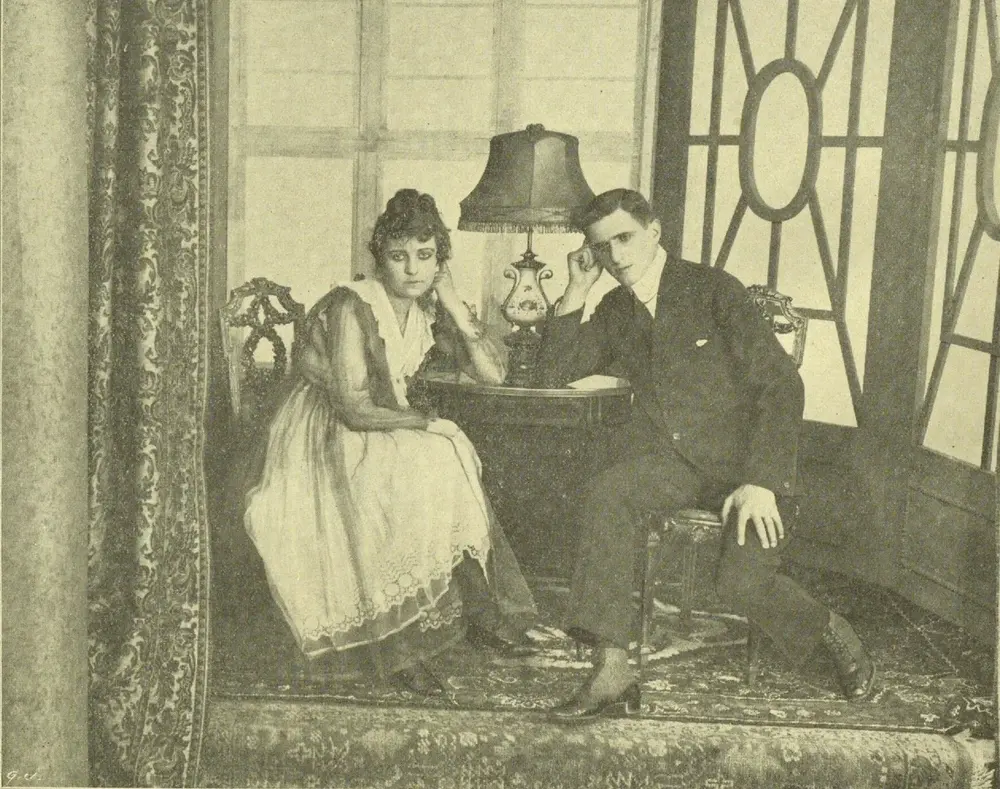
The antagonist of this grim saga is Baron von Falkenburg, brought to life with chilling precision by Eugen Jensen. Jensen eschews caricature, crafting a villain who is not merely evil for evil’s sake, but one whose cruelty stems from an ingrained belief in his own divine right, a casual disregard for the lives he controls. His performance is a stark reminder of the banality of evil, where oppression is simply the natural order of things, maintained through a blend of psychological intimidation and brute force. The Baron is the embodiment of the oppressive system itself, his actions serving as a constant, grinding pressure on the villagers, a pressure that eventually forces Karl’s hand. Jensen’s portrayal ensures that the Baron is not just a plot device, but a truly formidable and terrifying presence, his gaze capable of instilling fear with a mere flicker of disdain.
Amidst the bleakness, a fragile, yet fiercely passionate romance unfolds between Karl and Elara, the Baron’s daughter, played with remarkable sensitivity by Martha Clemens. Clemens imbues Elara with a profound internal conflict, a woman caught between the expectations of her aristocratic lineage and a burgeoning conscience that recoils from her father’s brutality. Her love for Karl is not a flight of fancy, but a genuine connection that transcends the rigid social strata of their world. It is a love born of shared humanity, a recognition of soul that defies societal decree. Their stolen moments, depicted with a tender intimacy that is both beautiful and heart-wrenching, serve as vital oases in the narrative’s otherwise arid landscape. This forbidden liaison echoes the thematic tension found in films such as The Woman Between Friends, though here, the stakes are immeasurably higher, encompassing not just personal heartbreak but the potential for violent repercussions that could engulf an entire community.
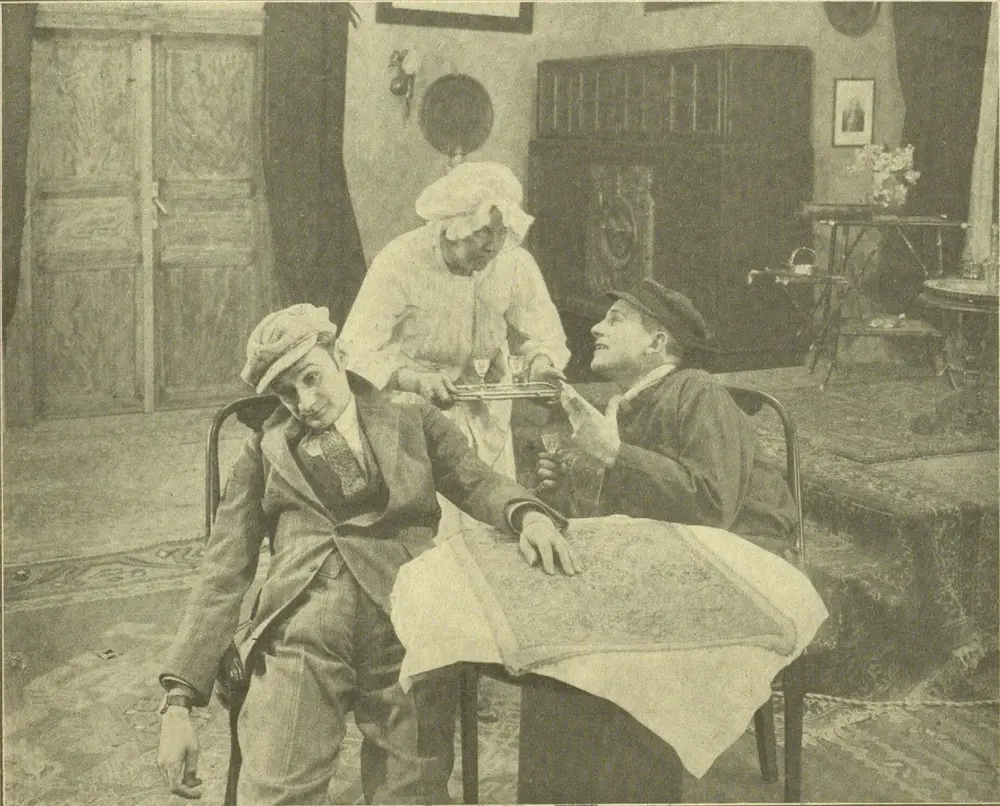
The supporting cast meticulously builds out the world of the oppressed. Franci Ferencz, perhaps as a wise village elder or a spirited fellow serf, provides a crucial counterpoint to the prevailing despair, offering either sage counsel or fervent encouragement, a grounding force for Karl’s burgeoning defiance. Characters like Paul Mahr and Paul Olmühl, along with Emil Lovrice and Josef Kaufmann, collectively paint a vivid portrait of communal suffering and solidarity, their faces etched with the daily toll of their existence. Their collective plight underscores the widespread nature of the Baron’s tyranny, making Karl’s eventual stand not just a personal quest, but a communal imperative. Midy Astory, in a role that could be either a fellow villager or perhaps a confidante to Elara, adds another layer to this richly textured social fabric, highlighting the interconnectedness of their fates.
Visually, Der Leibeigene employs a stark, almost monochromatic palette that perfectly complements its somber themes. The cinematography masterfully utilizes deep shadows and stark contrasts to emphasize the harshness of the environment and the moral chiaroscuro of its characters. The sprawling, barren landscapes, often framed to dwarf the human figures within them, serve as a constant visual metaphor for the powerlessness of the serfs against both nature and their feudal lords. The interiors, particularly those depicting the Baron’s opulent yet cold manor versus the humble, cramped dwellings of the villagers, are meticulously rendered, further highlighting the vast chasm between the classes. The film’s visual language is not merely decorative; it is an intrinsic part of its storytelling, conveying mood, power dynamics, and emotional states with remarkable efficacy.
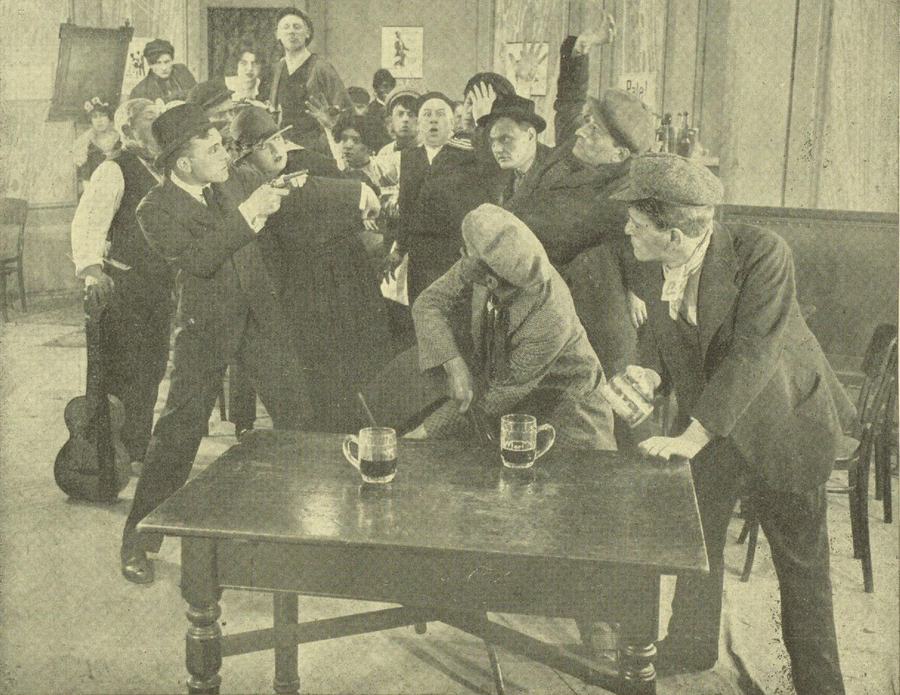
The direction, while never overtly flashy, is consistently precise, allowing the performances and the narrative to breathe. There’s a deliberate pacing that builds tension incrementally, each scene a carefully constructed brick in the edifice of growing rebellion. The filmmaker understands the power of the unspoken, allowing significant emotional beats to play out through glances, gestures, and the sheer weight of silence. This nuanced approach ensures that the film never descends into melodrama, even during its most dramatic confrontations. Instead, it maintains a grounded realism that makes the plight of its characters all the more affecting. The use of close-ups, particularly on Huber’s expressive face, draws the audience into Karl’s internal world, making his struggle intensely personal, even as it represents a universal yearning for justice.
The thematic richness of Der Leibeigene is perhaps its greatest strength. It delves deeply into the concepts of freedom versus bondage, the corrosive effects of absolute power, and the inherent human right to self-determination. The film implicitly asks profound questions about the nature of justice and the moral obligations of those in power. It’s a powerful exploration of the class struggle, presenting a microcosm of societal inequality that, regrettably, remains pertinent in various forms even today. This struggle for dignity against overwhelming odds connects it thematically to films like The Rebel, which also explores individual defiance against an entrenched system, or even The Road o' Strife, in its depiction of arduous journeys toward an uncertain liberation.
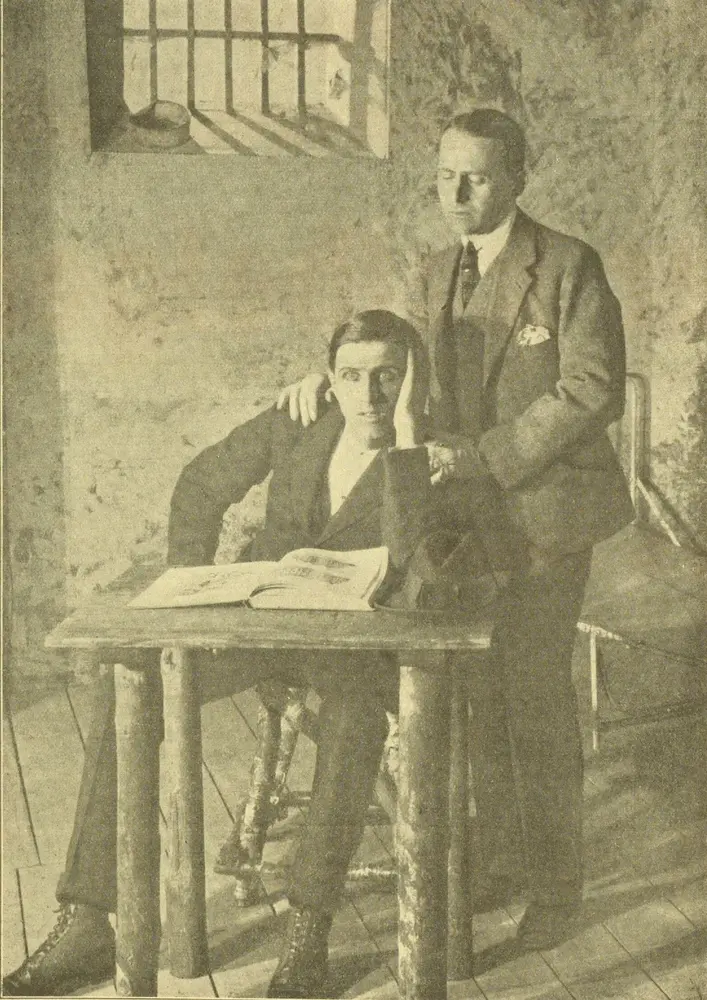
Beyond the overt political and social commentary, the film also explores the complexities of moral choice. Karl’s path to rebellion is not an easy one; it’s fraught with doubt, fear, and the heavy burden of responsibility for his community. His internal struggle is as compelling as his external conflict with the Baron. Similarly, Elara’s dilemma—torn between filial loyalty and a burgeoning sense of justice—adds a layer of moral ambiguity that elevates the narrative beyond simple good-versus-evil tropes. Her journey is one of awakening, a slow but certain realization of the injustices perpetrated in her family's name, compelling her to make choices that carry profound personal risk. This moral complexity ensures that the characters are not merely archetypes but fully realized individuals grappling with extraordinary circumstances.
The climax of Der Leibeigene is a masterstroke of dramatic tension, a culmination of all the simmering resentments and desperate hopes that have built throughout the film. It avoids simplistic resolutions, instead offering a conclusion that is both cathartic and sobering, acknowledging the high cost of freedom while celebrating the indomitable will to achieve it. The struggle is not easily won, nor are its victories absolute, a nuanced perspective that distinguishes it from more simplistic morality plays like The Victory of Virtue. Here, triumph is hard-earned, etched in the scars of battle and the sacrifices made.

In an era saturated with ephemeral content, Der Leibeigene stands as a monumental work of cinematic art, a testament to the enduring power of storytelling. Its themes of social justice, personal courage, and the fight against oppression remain as relevant today as they were upon its initial release. The performances, particularly from Walter Huber and Eugen Jensen, are etched into the viewer's memory, their portrayals of victim and oppressor forming a compelling dialectic. Martha Clemens's Elara provides the vital human connection, the bridge between two irreconcilable worlds, making her character's choices particularly impactful.
This is not merely a historical drama; it is a profound commentary on the human condition, a stark reminder that the yearning for freedom is universal and timeless. It compels us to reflect on our own societal structures, on the subtle and overt forms of servitude that persist, and on the courage it takes to challenge them. Der Leibeigene is an essential viewing experience for anyone interested in the evolution of dramatic storytelling, the complexities of historical narratives, and the unwavering strength of the human spirit. Its legacy is not just in its powerful narrative, but in its ability to provoke thought and inspire reflection, long after the final frame fades to black. It reminds us that even in the darkest of times, the light of human agency can, and often does, prevail, however arduous the struggle. The film leaves an indelible mark, a cinematic experience that resonates deeply within the soul, urging introspection and a renewed appreciation for the freedoms often taken for granted. It is a work that deserves its place among the most impactful historical dramas ever committed to celluloid, a truly unforgettable journey into the heart of human endurance and rebellion.
IMDb —
1921
Community
Log in to comment.