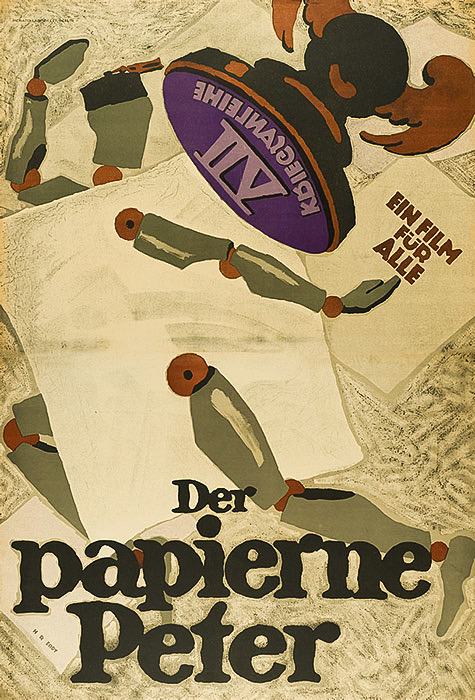
To gaze upon Der papierene Peter is to witness the very moment cinema realized it could lie—and in that lie, find a more profound truth. Released in 1917, a year when the world was fracturing under the weight of the Great War, this German silent short directed by Rochus Gliese represents a defiant retreat into the imag...
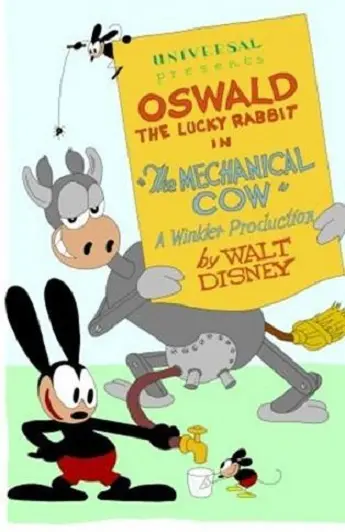
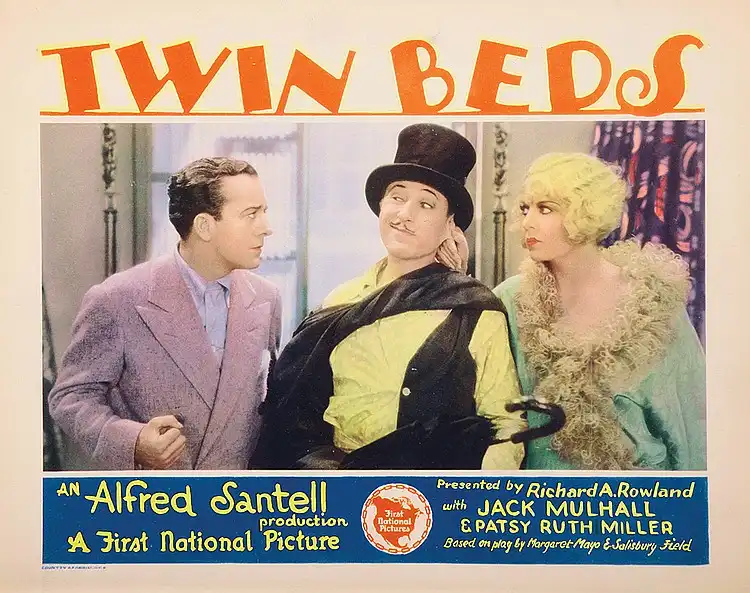
Comparing the cinematic DNA and archive impact of two defining moments in cult history.
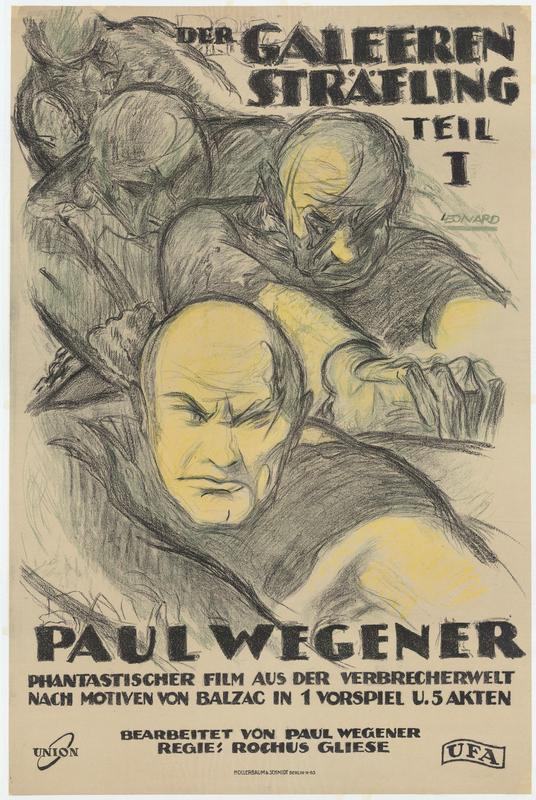
Rochus Gliese
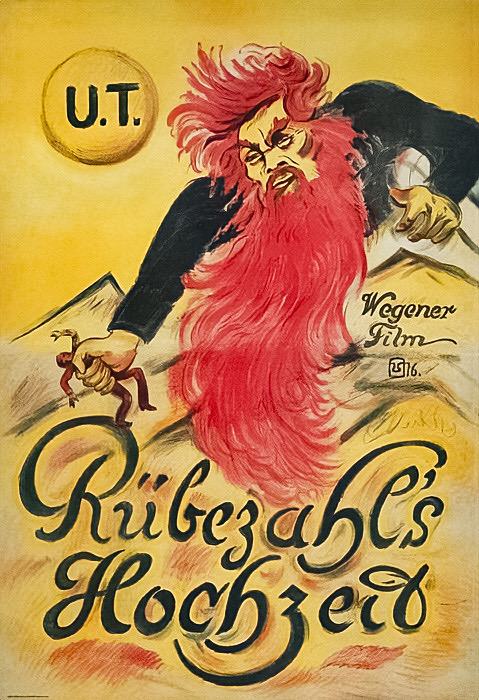
Rochus Gliese
Community
Log in to comment.
"To gaze upon Der papierene Peter is to witness the very moment cinema realized it could lie—and in that lie, find a more profound truth. Released in 1917, a year when the world was fracturing under the weight of the Great War, this German silent short directed by Rochus Gliese represents a defiant retreat into the imaginative. It is not merely a film; it is a tactile experiment in visual literacy. While contemporary American cinema was often preoccupied with moralistic social dramas like Where A..."
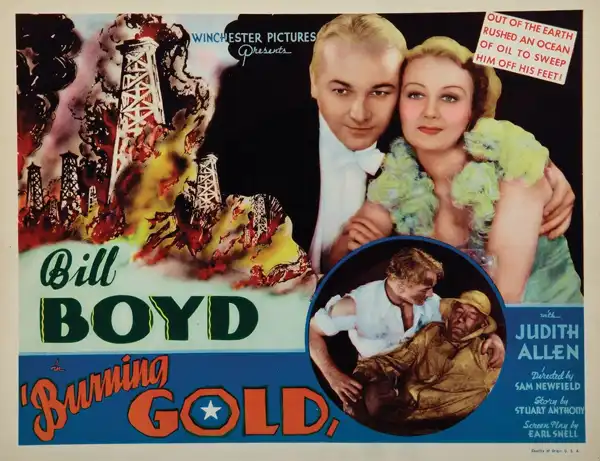
Deep dive into the cult classic
Discover similar cinematic experiences
A Directorial Spotlight on Rochus Gliese