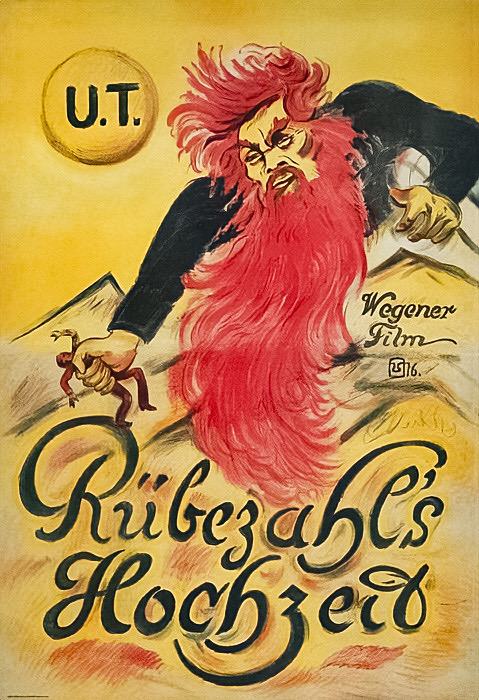
The legendary mountain spirit Rübezahl becomes infatuated with an elf. However, the elf has fallen in love with a human tutor living in a nearby castle.
Rochus Gliese, Paul Wegener
Germany
In the nascent years of German cinema, before the jagged shadows of Caligari defined the Expressionist movement, Paul Wegener was already sculpting a unique cinematic vocabulary rooted in the soil of Germanic myth. Rübezahls Hochzeit (1916) stands as a monumental, if often overlooked, pillar of this era. It is not mere...
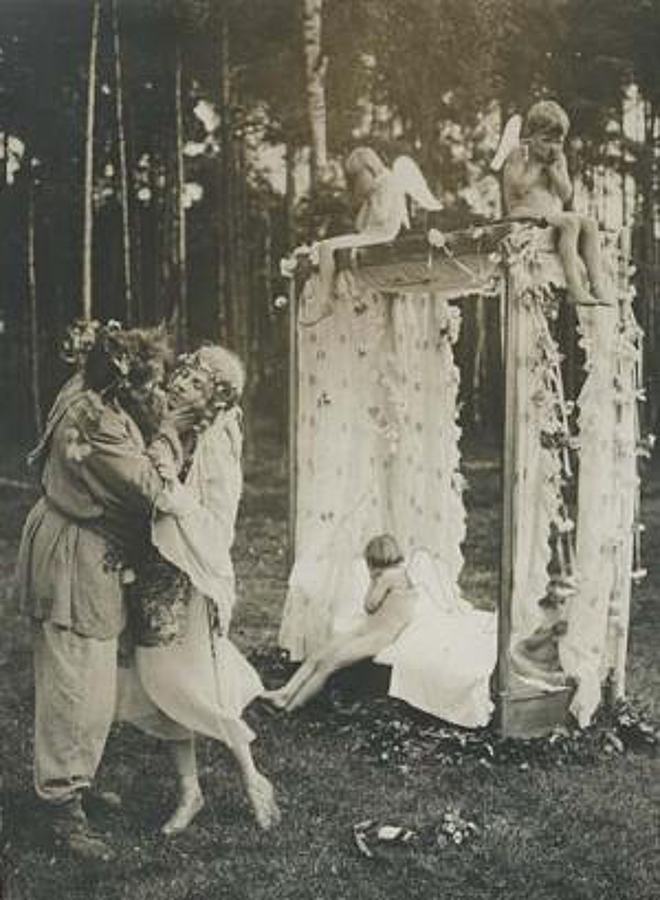
still_frame

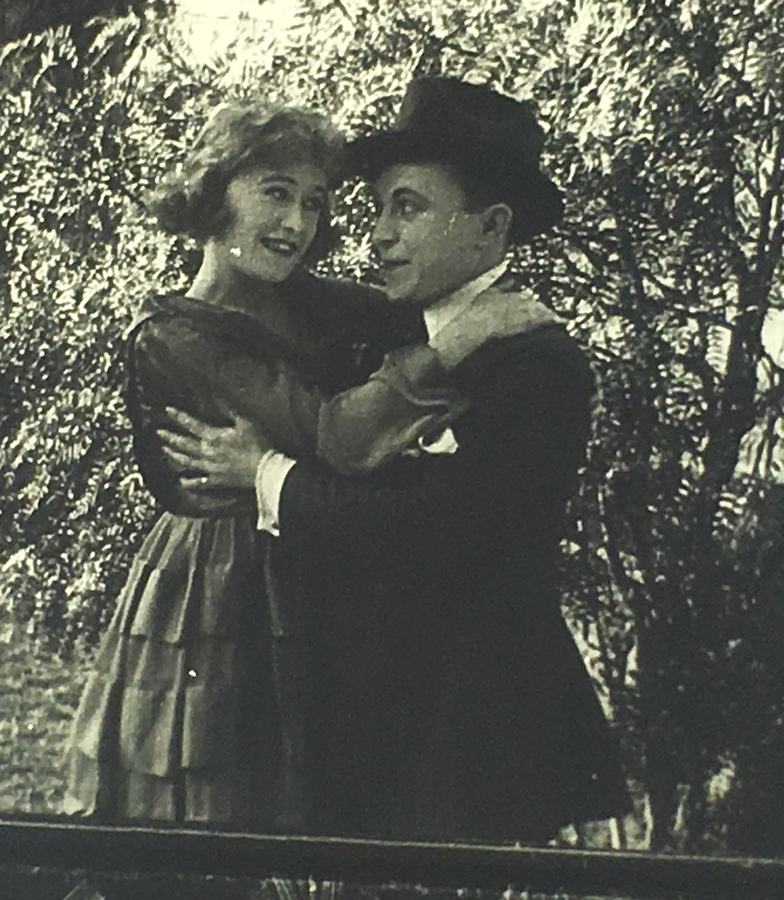
Comparing the cinematic DNA and archive impact of two defining moments in cult history.
Rochus Gliese
Rochus Gliese
Community
Log in to comment.
"In the nascent years of German cinema, before the jagged shadows of Caligari defined the Expressionist movement, Paul Wegener was already sculpting a unique cinematic vocabulary rooted in the soil of Germanic myth. Rübezahls Hochzeit (1916) stands as a monumental, if often overlooked, pillar of this era. It is not merely a filmed fable; it is an exercise in technical audacity and atmospheric immersion. Wegener, collaborating with the visionary Rochus Gliese, crafts a world where the boundary bet..."


Deep dive into the cult classic
Discover similar cinematic experiences
A Directorial Spotlight on Rochus Gliese