Spain at the beginning of the 1580s, at the time of Philip II. The troops of the king entered the village of Zalamea.
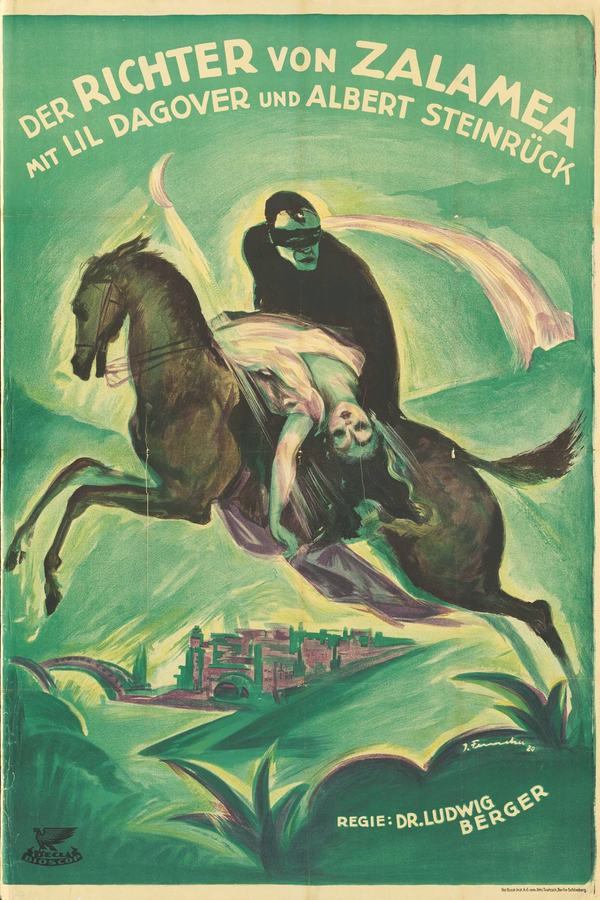
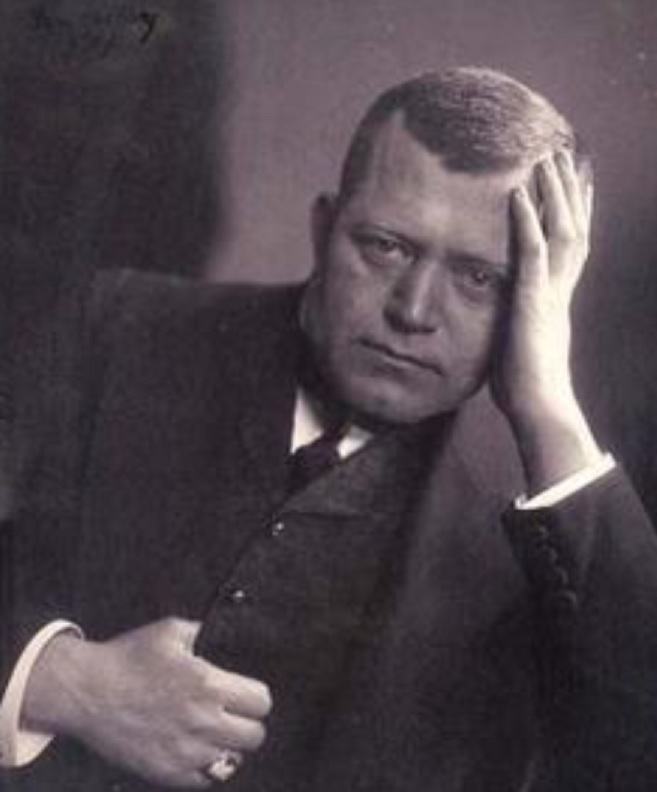
The Weimar camera that opens Der Richter von Zalamea seems to inhale the very pollen of Castile: dust motes swirl like flecks of gilt in a sunbeam, and for a breath we might believe this 1920 artefact will treat us to folkloric postcard Spain. Then Ludwig Berger’s iris contracts, carving the frame into a scalpel-circl...

Comparing the cinematic DNA and archive impact of two defining moments in cult history.
Ludwig Berger
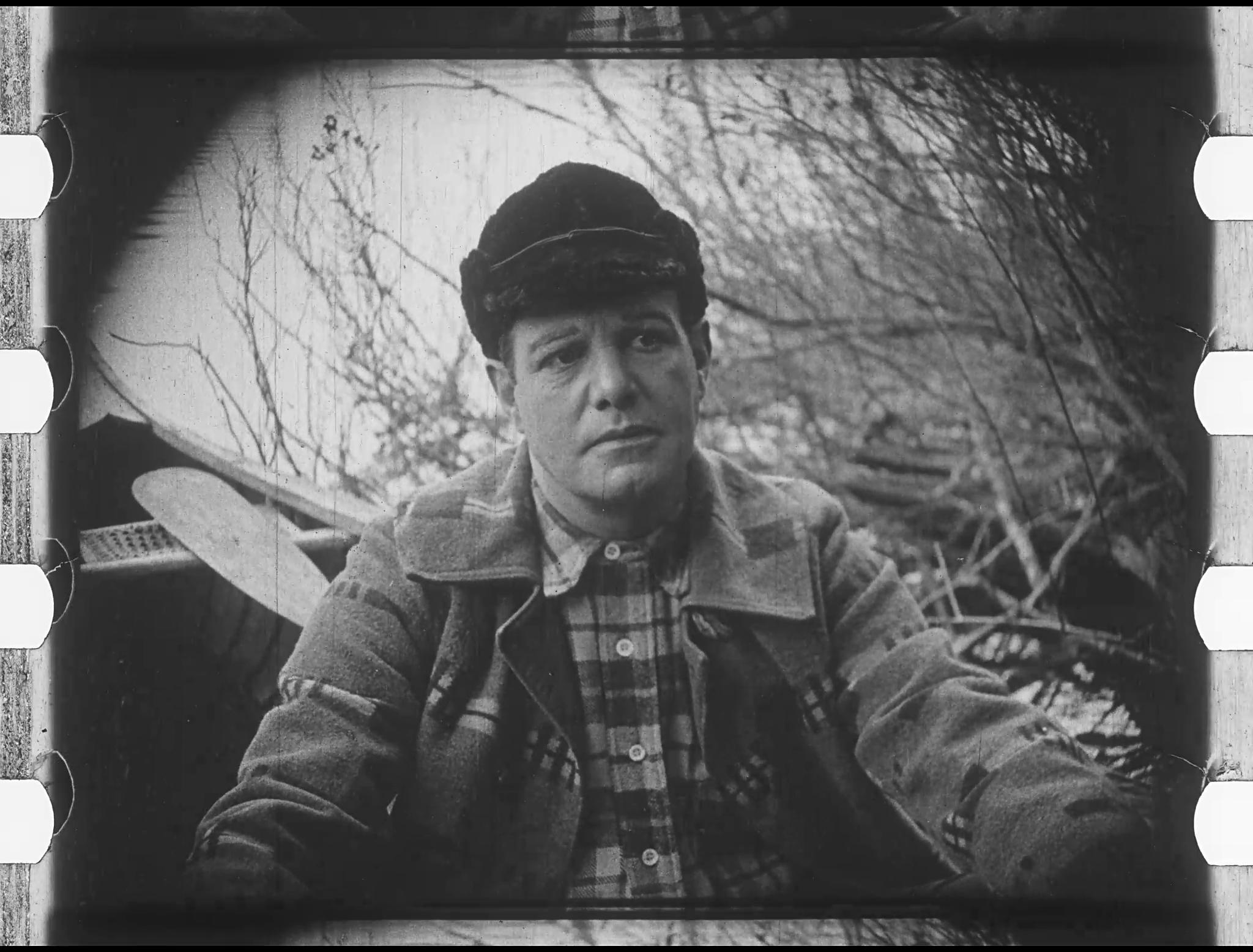
Edgar Jones
Community
Log in to comment.
" The Weimar camera that opens Der Richter von Zalamea seems to inhale the very pollen of Castile: dust motes swirl like flecks of gilt in a sunbeam, and for a breath we might believe this 1920 artefact will treat us to folkloric postcard Spain. Then Ludwig Berger’s iris contracts, carving the frame into a scalpel-circle around the marching feet of Philip II’s tercios, and any illusion of tourism collapses. These soldiers move with the automaton rigidity of a medieval fresco—an echo that will soo..."
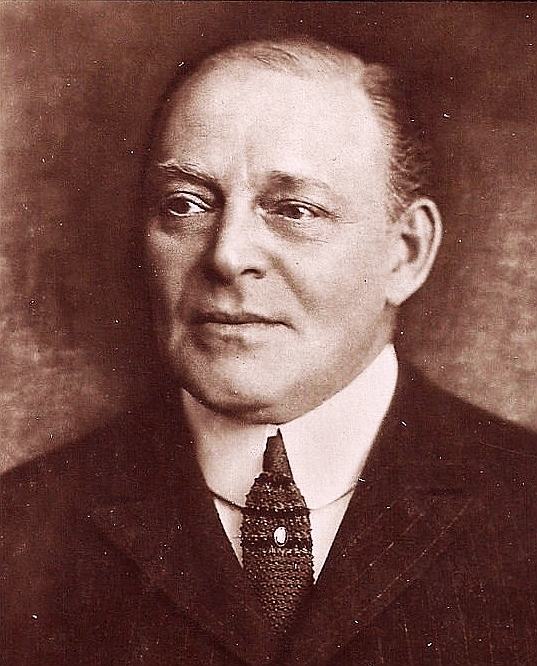
Hermann Vallentin
Pedro Calderón de la Barca, Ludwig Berger
Germany

Deep dive into the cult classic
Discover similar cinematic experiences
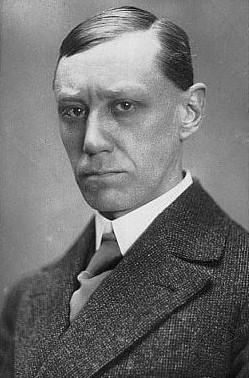
A Directorial Spotlight on Ludwig Berger