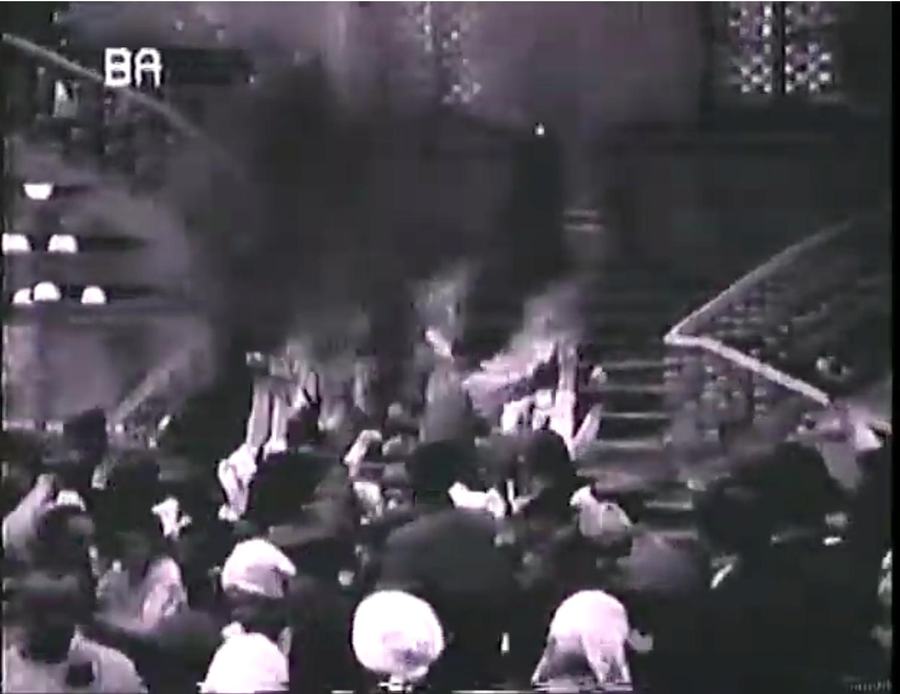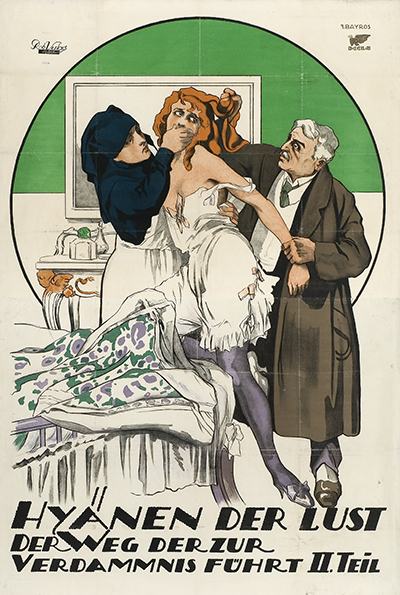
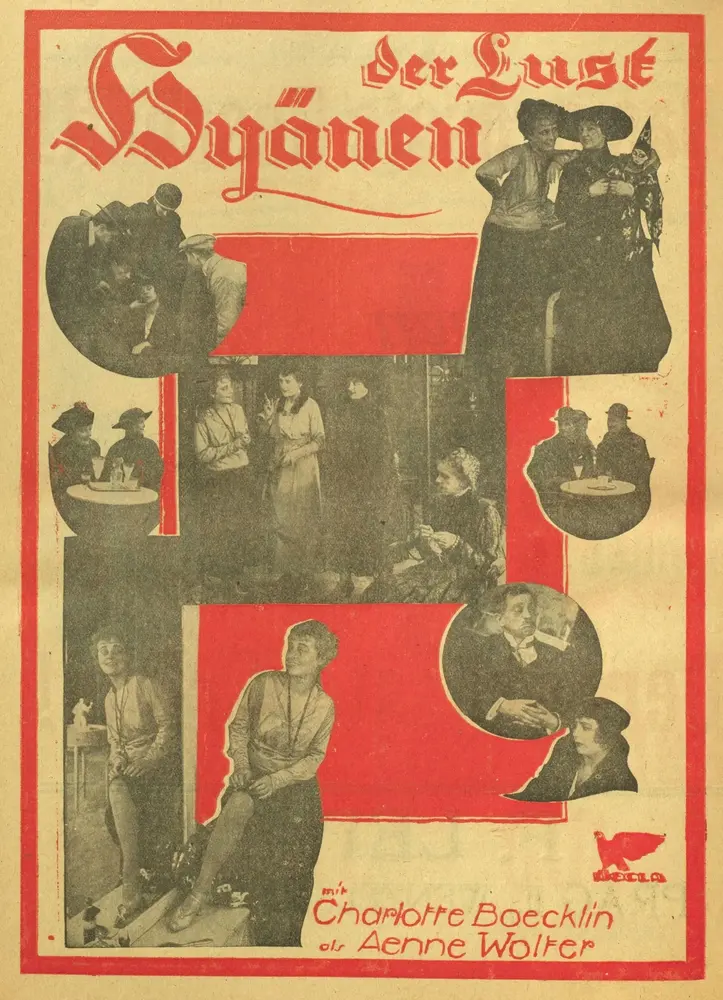
Film made in 1919 by the Gesellschaft zur Bekämpfung des Mädchenhandels [Society for the Struggle Against White Slavery or Society for the Prevention of Girl Trafficking (the translation can vary)] to inform the public about the trafficking of European girls and their impressment into prostitution (often in South America)..
Julius Sternheim
Germany
The year 1919 represents a seismic shift in the history of German cinema. With the abolition of imperial censorship following the collapse of the monarchy, the nascent Weimar Republic witnessed the explosion of the 'Aufklärungsfilm'—the so-called enlightenment film. Among the most culturally significant...
publicity
Comparing the cinematic DNA and archive impact of two defining moments in cult history.
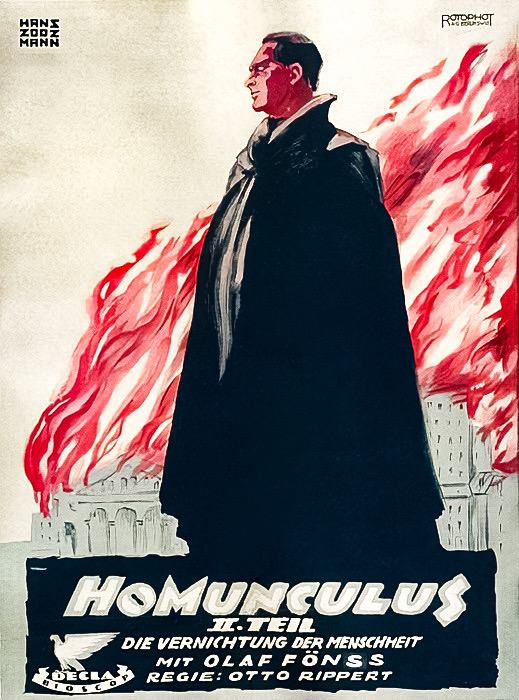
Otto Rippert

Otto Rippert
Community
Log in to comment.
" The year 1919 represents a seismic shift in the history of German cinema. With the abolition of imperial censorship following the collapse of the monarchy, the nascent Weimar Republic witnessed the explosion of the 'Aufklärungsfilm'—the so-called enlightenment film. Among the most culturally significant, if visually harrowing, artifacts of this era is Der Weg, der zur Verdammnis führt, 2.Teil - Hyänen der Lust. Produced by the Gesellschaft zur Bekämpfung des Mädchenhandels, this ..."
Deep dive into the cult classic
Discover similar cinematic experiences
A Directorial Spotlight on Otto Rippert