DbcultAccessing Vault...
6.6/10
Senior Film Conservator
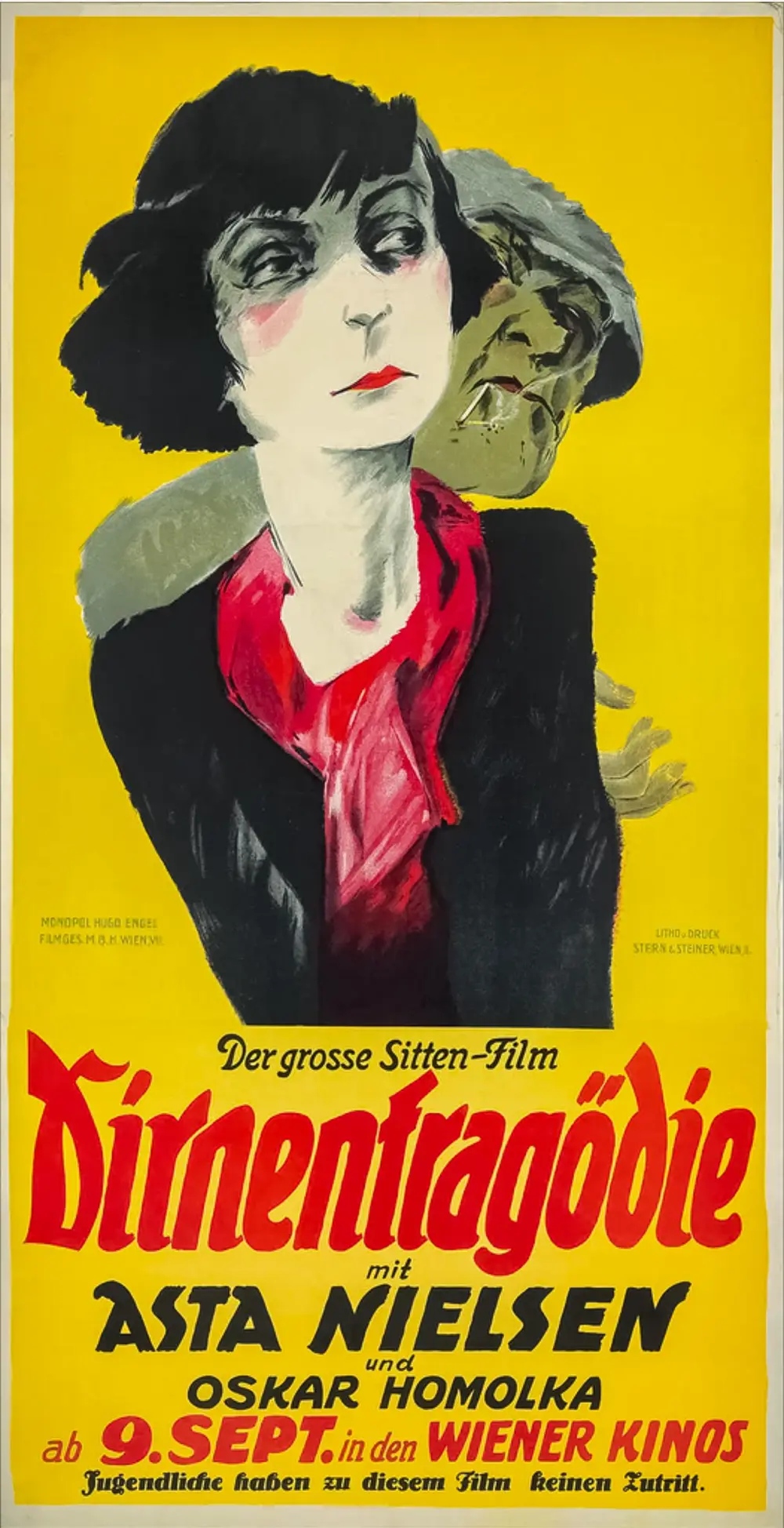
A definitive 6.6/10 rating for a film that redefined the boundaries of cult cinema. Dirnentragödie remains a cornerstone of transgressive art.
Is Dirnentragödie worth watching today? Short answer: yes, but only if you are prepared for a film that refuses to offer a single moment of comfort.
This is a film for those who appreciate the dark, psychological roots of German Expressionism and the 'Street Film' genre. It is definitely not for viewers seeking a lighthearted historical romance or a fast-paced modern narrative.
1) This film works because Asta Nielsen delivers a performance that transcends the limitations of silent cinema, using her eyes to communicate a lifetime of exhaustion and fleeting hope.
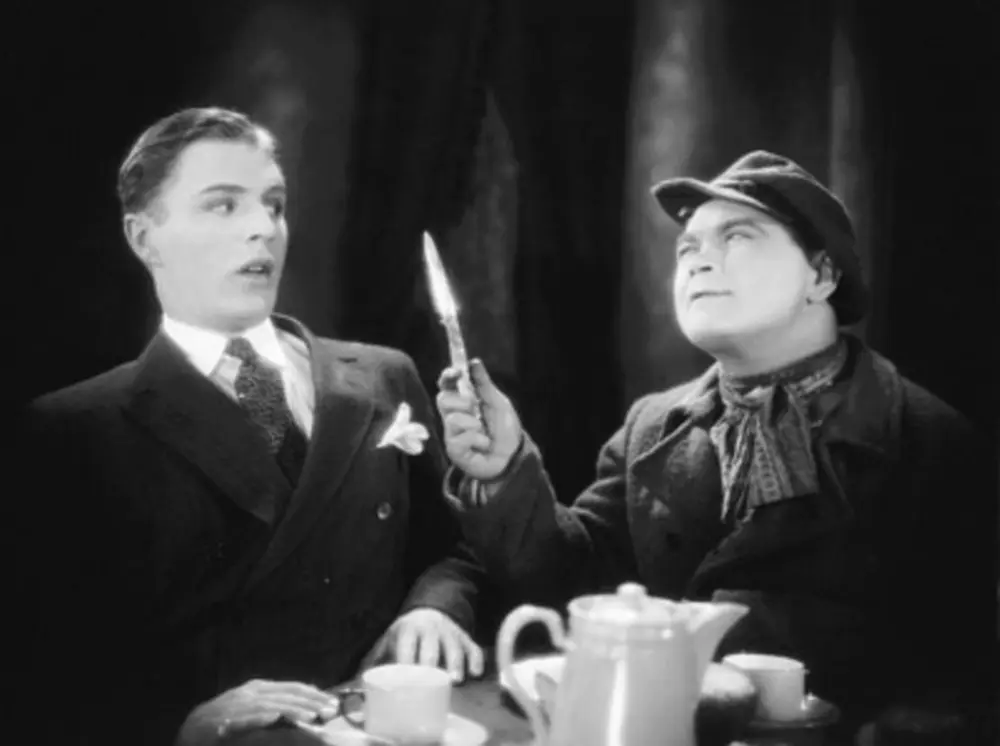
2) This film fails because the middle-class characters are often written with a flat, almost caricatured morality that lacks the nuance found in the protagonist's journey.
3) You should watch it if you want to understand how 1920s cinema paved the way for film noir and the social realist dramas of the mid-20th century.
Dirnentragödie, or 'Tragedy of the Street,' is a film that breathes the soot and desperation of 1927 Berlin. Unlike the more romanticized versions of the era found in films like The Dawn of Love, this film is claustrophobic. Director Bruno Rahn traps his characters in cramped rooms and narrow hallways, suggesting that their social status is a physical cage.
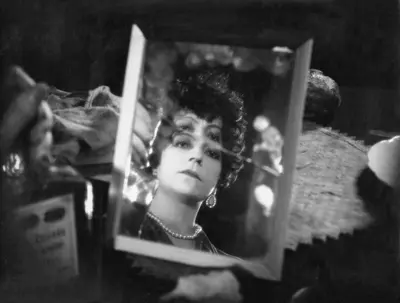
The cinematography by Guido Seeber is revolutionary for its time. He uses shadows not just for atmosphere, but as a narrative tool. Look at the scene where Auguste first counts her savings; the light hits her hands like they are holding something holy, while her face remains partially obscured by the darkness of her past. It is a visual representation of her internal conflict: the desire for a new life versus the impossibility of escaping the old one.
The pacing is deliberate, almost agonizingly so. It mimics the slow realization of a woman who knows she is being replaced. When the younger prostitute enters the frame, the camera lingers on the contrast between her smooth skin and Nielsen's weary features. It is a cruel, honest moment that many modern films would shy away from. It works. But it’s flawed in its relentless nihilism.
Asta Nielsen was known as 'Die Asta,' and this film proves why. While many of her contemporaries were still using the broad, theatrical gestures of the 1910s, Nielsen is remarkably modern here. In the sequence where she realizes the young man is leaving her, she doesn't wail or throw furniture. She simply goes still. Her face becomes a mask of frozen realization.
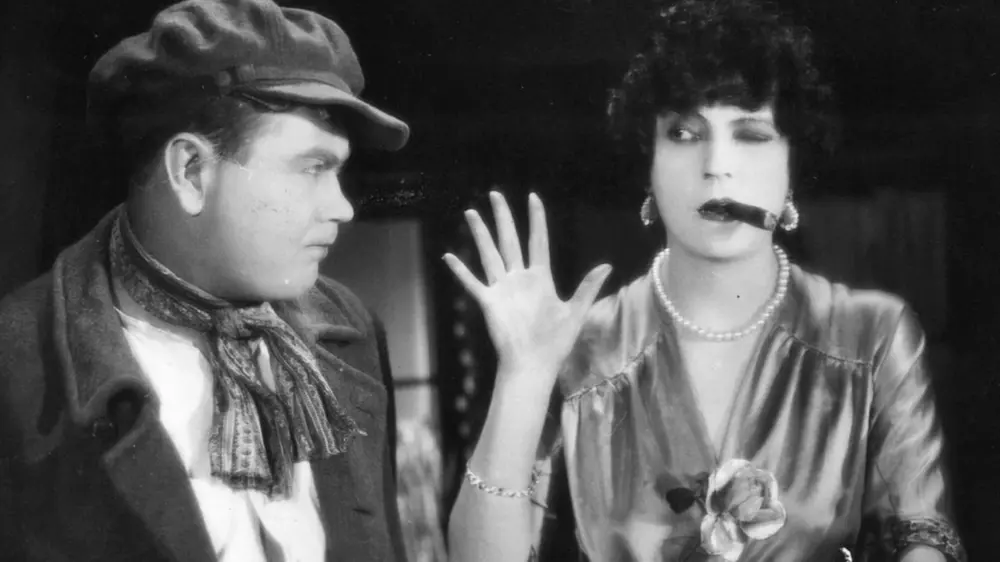
This subtlety is what makes Dirnentragödie stand out against other films of the period, such as Another Scandal. Nielsen understands that the greatest tragedies are internal. Her performance is a masterclass in economy. Every blink, every slight downturn of the mouth, carries the weight of a woman who has gambled her last coin and lost.
Oscar Homolka, in one of his earliest roles, provides a fascinating counterpoint. He brings a raw, almost animalistic energy to the screen that contrasts sharply with Nielsen's controlled despair. Their chemistry is uncomfortable, which is exactly the point. It’s not love; it’s a transaction of needs that both parties have mislabeled as affection.
If you are a student of film history or a fan of gritty realism, Dirnentragödie is essential viewing. It serves as a bridge between the high-concept expressionism of the early 20s and the social realism that would follow. It manages to be both a period piece and a timeless study of human desperation.

However, for a casual viewer, the film’s grim tone might be a barrier. It does not offer the sentimental payoffs found in The Old Nest. It is a cold, hard look at the world. But for those willing to engage with its darkness, the rewards are immense. It is a film that stays with you, haunting the back of your mind like a ghost in a Berlin alleyway.
One of the most debatable aspects of the film is its treatment of the middle class. The young man Auguste falls for isn't necessarily a villain, but his privilege makes him oblivious to the destruction he leaves in his wake. The film suggests that the 'respectable' world is just as predatory as the street, only better dressed.
This is a surprising observation for a film of this era. Most contemporary stories, like The Narrow Street, tended to view upward mobility as a purely positive goal. Dirnentragödie argues that for someone like Auguste, the dream of respectability is a trap. It forces her to spend her only resources—money and time—on a world that will never truly accept her.
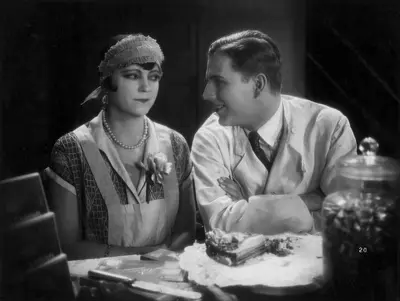
The ending is a brutal punctuation mark on this theme. It is sudden, violent, and entirely earned. There is no last-minute reprieve. In the world of Bruno Rahn, the street always wins. It is a stance that feels remarkably brave even by today's standards.
Pros:
- Stunning, atmospheric cinematography that defines the 'Street Film' aesthetic.
- A powerful, central performance that remains one of the best of the silent era.
- A tight, focused narrative that avoids unnecessary subplots.
Cons:
- The relentless grimness can be draining for some viewers.
- The print quality of surviving versions can vary, sometimes obscuring the fine details of the lighting.
When compared to something like Die Minderjährige - Zu jung fürs Leben, Dirnentragödie feels much more grounded and less sensationalist. While other films of the time often exploited the 'fallen woman' trope for cheap thrills, Rahn treats the subject with a somber dignity. It lacks the whimsical charm of Beaches and Peaches, but it gains a psychological depth that those lighter films can't touch.
Dirnentragödie is a punishing, beautiful, and deeply human film. It is a testament to the power of silent cinema to convey complex social critiques through nothing more than light, shadow, and the human face. Asta Nielsen is the beating heart of this tragedy, and her performance alone makes the film a mandatory watch for any serious cinephile. It is a stark reminder that the struggles of class and age are not relics of the past, but permanent fixtures of the human condition. It is a difficult watch, but an essential one.
IMDb —
1924
Community
Log in to comment.