DbcultAccessing Vault...
Cult Review
Senior Film Conservator
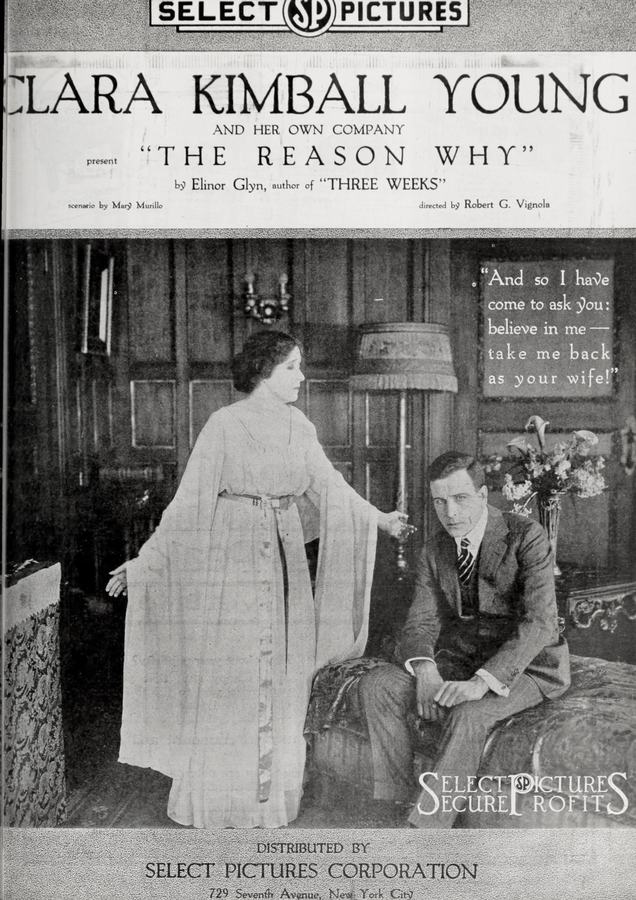
The Reason Why (1920) is a silent film that lingers in the mind like a half-remembered dream, its shadows and silhouettes etched with the urgency of a story that dares to ask: What happens when the masks we wear become indistinguishable from the truth we hide?
At its core, the film is a study in contrasts—between the opulent English manor of Lord Tancred and the squalid streets where Zara, the Russian refugee, first flees; between the polished veneer of nobility and the raw, unfiltered chaos of personal truth. Florence Billings, as Zara, embodies this duality with a performance that is both calculated and achingly human. Her portrayal is less about method acting and more about the art of survival, a woman who must convince herself of her own lies to avoid the crushing weight of her past.
Frank Losee’s Tancred, meanwhile, is a figure of quiet contradictions. His love for Zara is immediate, almost reckless, yet his forgiveness in the film’s climactic moment feels less like a triumph of virtue and more like a surrender to inevitability. The chemistry between Losee and Billings is electric, their silent exchanges conveying a storm of emotions that words could never capture. Their marriage, a union built on deception, becomes a metaphor for the fragility of human connections in a world where identity is both a weapon and a vulnerability.
Directed with a keen eye for visual storytelling, the film uses its silent format to amplify the tension in every frame. Long, lingering shots of Zara’s hands—clutching a locket, adjusting a veil, trembling at the edge of a confession—speak volumes about the internal war waging within her. The cinematography, stark yet poetic, mirrors the duality of her existence: wide-angle shots of English estates contrast with tight, claustrophobic scenes in Russian taverns, each location a chapter in her fractured past.
The narrative’s turning point—Zara’s confession—is a masterclass in silent film pacing. There is a moment, just before the truth spills forth, where the camera lingers on Tancred’s face. His expression shifts from stoic composure to a flicker of realization, a silent acknowledgment that the man he thought was a cousin is, in reality, a stranger. The silence here is deafening, a void where dialogue would have failed to capture the full weight of betrayal and revelation.
What elevates The Reason Why beyond a mere melodrama is its unflinching examination of forgiveness. Tancred’s reaction to the confession is not the cathartic resolution one might expect. Instead, it’s a quiet, almost tragic acceptance. His undying love, declared in the final act, feels less like a triumph of the heart and more like a surrender to the inevitability of human fallibility. The film does not offer easy answers; it instead asks the audience to grapple with the complexity of love when it is built on lies.
Comparisons to other silent-era works are inevitable. The film’s thematic concerns of identity and reinvention echo in Elinor Glyn’s other works, such as Their Compact and The Bride of Hate, both of which wrestle with the consequences of societal expectations. Yet The Reason Why distinguishes itself through its focus on the psychological toll of deception, a theme that feels prescient in an era still grappling with the masks people wear to survive.
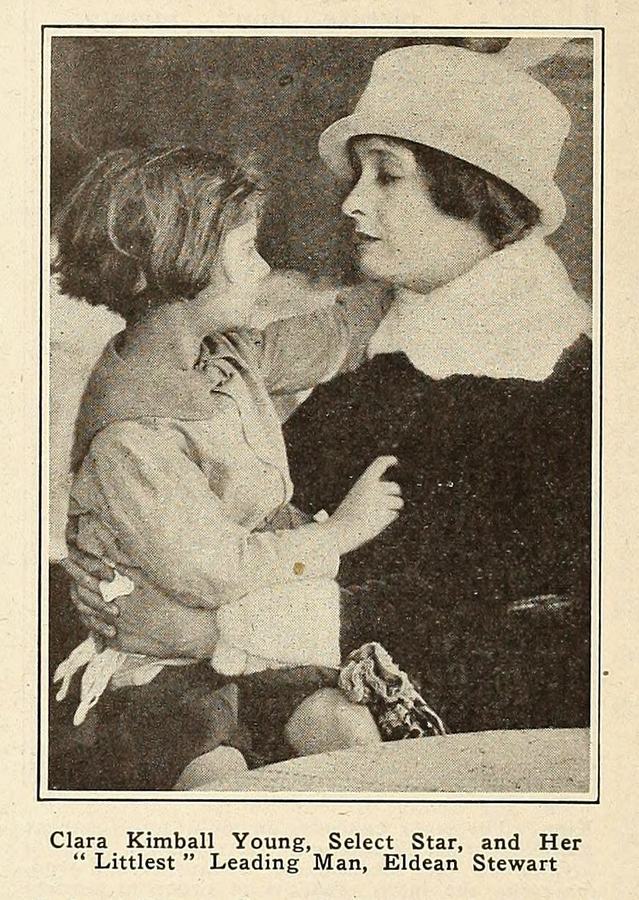
The supporting cast, particularly Clara Kimball Young as Tancred’s loyal confidante and Edmund Lowe as a skeptical estate manager, add layers of nuance to the story. Their performances are subtle but powerful, grounding the film’s emotional core in moments of quiet humanity. The child born from Zara’s previous marriage—a character whose presence is both a source of tension and a symbol of hope—serves as a reminder that the past is inescapable, even in the pursuit of reinvention.
Technically, the film is a marvel of its time. The use of chiaroscuro lighting in scenes of confession and confrontation creates a visual language that is both dramatic and intimate. The editing, though rudimentary by modern standards, is deliberate in its pacing, allowing the audience to sit with the discomfort of the characters’ choices. Even the set designs, from the baroque grandeur of Tancred’s estate to the stark simplicity of Zara’s childhood home, serve as visual metaphors for the clash between worlds she navigates.
One cannot discuss The Reason Why without acknowledging its cultural context. Released in 1920, the film arrives in the wake of World War I, a time when the world was still reeling from the collapse of empires and the shifting tides of identity. Zara’s Russian origins are not incidental; they are a direct commentary on the displacement and upheaval that defined the post-war generation. Her journey from refugee to noble wife mirrors the broader anxieties of an era where borders were shifting and traditions were being questioned.
For modern audiences accustomed to the fast-paced narratives of contemporary cinema, The Reason Why may feel slow. Yet this deliberate pacing is its greatest strength. The film invites reflection, urging viewers to consider the cost of living a lie and the courage required to confront the truth. It is a film that rewards patience, offering rewards not in the form of plot twists but in the quiet, unspoken moments that linger long after the credits roll.
In conclusion, The Reason Why is more than a relic of the silent film era—it is a profound meditation on the human condition. Its exploration of identity, forgiveness, and the masks we wear remains startlingly relevant. While it may not conform to the narrative conventions of modern cinema, its emotional honesty and visual sophistication ensure its place as a timeless work of art. For those willing to embrace its nuances, the film offers a journey that is as challenging as it is unforgettable.
IMDb 6.2
1933
Community
Log in to comment.