DbcultAccessing Vault...
Cult Review
Senior Film Conservator
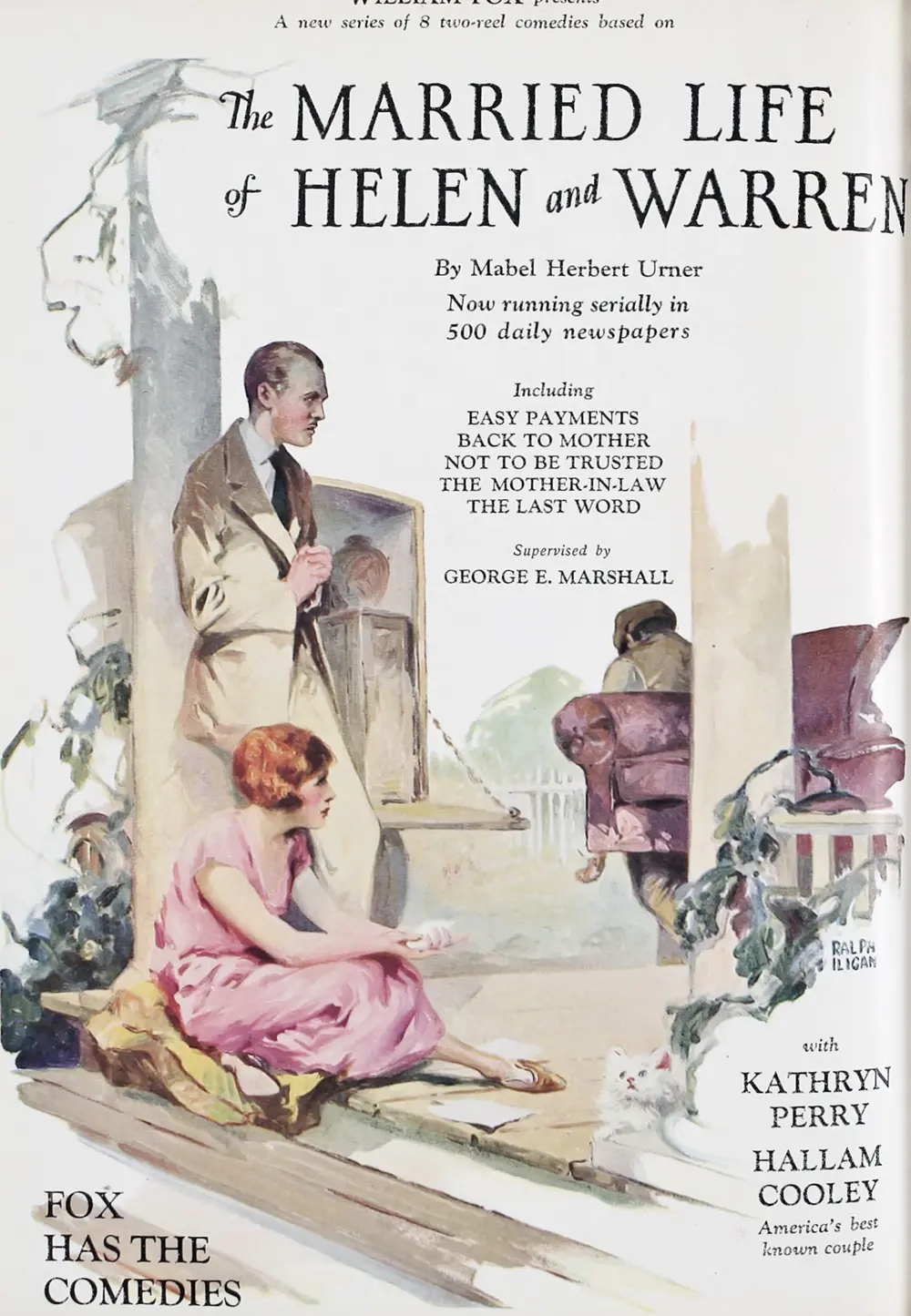
Is 'Easy Payments' a forgotten gem begging for rediscovery in the annals of silent cinema? The short answer is a qualified yes, particularly for those with a deep appreciation for the social critiques embedded within early 20th-century melodrama. This film is undeniably for viewers who relish the intricate character studies and moral dilemmas often explored in silent dramas, especially those fascinated by the nascent consumer culture of the 1920s. Conversely, audiences seeking fast-paced plots, unambiguous heroes, or a simple, lighthearted viewing experience will likely find its deliberate pacing and earnest moralizing a challenging watch.
Mabel Herbert Urner’s screenplay for 'Easy Payments' plunges us into the burgeoning consumerist landscape of the 1920s, a world where the promise of instant gratification began to reshape domestic life. We follow the trajectory of John and Mary Sterling, a young couple whose aspirations for a comfortable, stylish home are ignited by the irresistible concept of installment buying. Their initial foray into this financial convenience, facilitated by the charmingly persuasive Mr. Thorne, quickly transforms into a perilous descent.
What begins as a few choice pieces of furniture, symbols of their upward mobility, soon snowballs into a mountain of debt. John, fueled by a desire to provide and perhaps a touch of male pride, makes increasingly reckless financial decisions, while Mary grapples with the escalating reality of their predicament. The film masterfully uses the domestic sphere as a battleground, where the dreams of a happy home are slowly suffocated by the very objects meant to enhance it. The supporting characters, from the cautionary figure of a discerning friend (Katherine Perry) to the unyielding hand of the debt collector (Charles Sellon), serve as poignant reflections of society’s varying responses to this new economic paradigm. The narrative doesn't merely depict a financial crisis; it dissects a moral one, culminating in a stark confrontation with the true cost of unchecked desire.
When considering a silent film from nearly a century ago, the immediate question for many is its contemporary relevance. 'Easy Payments' certainly holds its own, though not without its caveats. It offers a fascinating window into a pivotal moment in economic history, presenting a timeless cautionary tale that still resonates.
This film works because of its surprisingly sharp social commentary on the dangers of unbridled consumerism and debt, a theme that feels startlingly modern. Grace Goodall's nuanced performance anchors the emotional core, lending authenticity to Mary's quiet desperation. Furthermore, the film's period authenticity in depicting early 20th-century interiors and societal norms provides a valuable historical document.
This film fails because its pacing can feel quite deliberate, even slow, by today's standards, occasionally allowing the moralizing to become a touch heavy-handed. Some narrative contrivances, while typical of the era, might strain modern credulity.
You should watch it if you enjoy silent film as social history, appreciate nuanced acting without the benefit of dialogue, or are simply curious about early cinema's take on enduring economic and social themes.
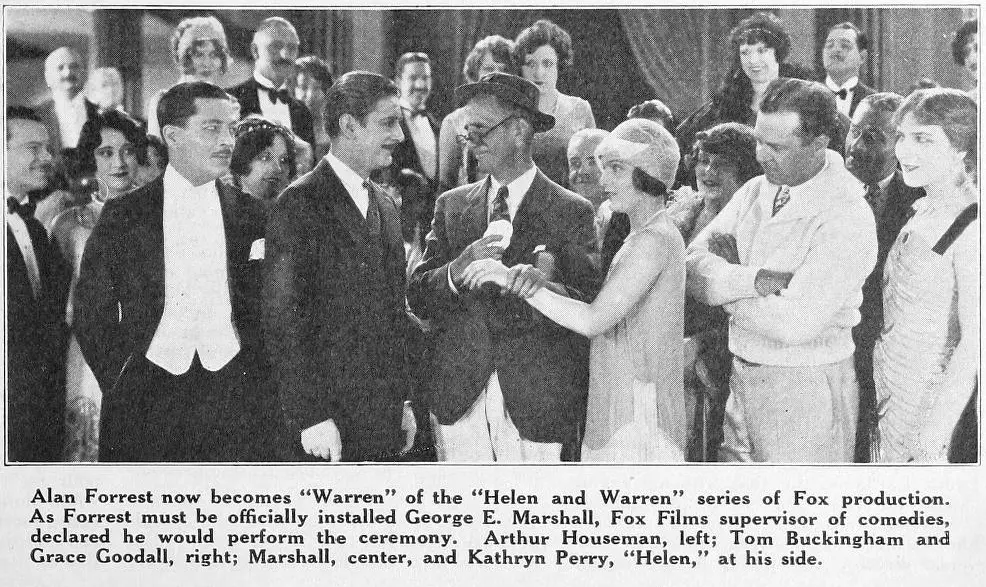
The strength of any silent film rests heavily on its performers’ ability to convey emotion and intent without spoken words. In 'Easy Payments,' the cast, particularly Grace Goodall, rises to this challenge with commendable skill. Goodall, as Mary Sterling, delivers a performance that is both delicate and deeply affecting. Her transformation from hopeful newlywed to a woman burdened by anxiety is portrayed with a quiet intensity that speaks volumes.
There's a scene where Mary, alone in her meticulously furnished living room, stares at the grand piano – once a symbol of her dreams, now a monument to their growing debt. Goodall's subtle shift in posture, the slight tremor in her hands, and the haunted look in her eyes communicate a profound sense of regret and fear. It’s a masterclass in understated silent acting, reminiscent of her poignant work in The Foolish Virgin, where she also navigated complex female emotional landscapes.
Allan Forrest, as John Sterling, provides a solid counterpoint. His portrayal of a man initially driven by good intentions but ultimately blinded by ambition and pride is convincing. Forrest captures John's escalating frustration and denial, particularly in the escalating arguments with Mary. While perhaps not as subtly expressive as Goodall, his physical presence and increasingly strained facial expressions effectively convey his character's internal turmoil. His performance here, much like his earnestness in Artie, the Millionaire Kid, demonstrates a consistent ability to embody characters facing significant life challenges.
Arthur Housman, in the role of Mr. Thorne, the insidious salesman, is a standout. He embodies the charming yet predatory nature of early consumer culture. Housman’s slick gestures, knowing smiles, and smooth demeanor are perfectly calibrated to represent the temptation that leads the Sterlings astray. He doesn't need dialogue to convey his character's manipulative intent; his every movement radiates calculated persuasion. It’s a portrayal that makes you genuinely dislike the character, a testament to Housman’s effectiveness.
Katherine Perry and Charles Sellon, though in smaller roles, contribute effectively to the film's moral fabric. Perry, perhaps as a more affluent or sensible friend, offers a silent judgment or subtle warning through her expressions, providing a necessary external perspective on the Sterlings' folly. Sellon, likely as a stern creditor, brings a stark realism to the consequences of unpaid debts, his presence serving as a looming threat that intensifies the couple’s desperation. Their performances, while brief, are crucial in grounding the narrative in a believable social context.
The direction of 'Easy Payments' is a fascinating study in early cinematic storytelling, balancing melodramatic flourishes with a keen observational eye for social detail. The pacing is undoubtedly of its era – deliberate, allowing scenes to unfold slowly, letting the audience absorb the emotional weight. This isn't a film that rushes; it wants you to feel the slow creep of financial anxiety, mirroring the gradual accumulation of debt itself.
While some modern viewers might find this pace challenging, it serves a crucial purpose. It allows for the subtle development of character and the gradual intensification of the central conflict. For instance, the sequence detailing the arrival of new furniture, initially joyous, slowly transitions through repeated visits from the salesman to increasingly anxious glances between John and Mary. This slow build is far more effective than a rapid montage in conveying the insidious nature of their predicament.
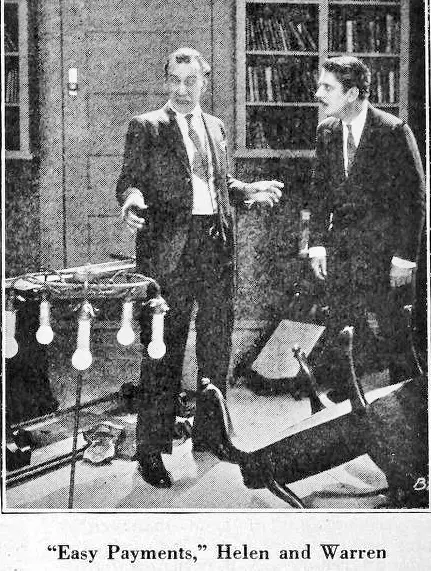
The tone is earnest and cautionary, leaning heavily into the moralistic narratives common in silent films aimed at social commentary. There’s a palpable sense of impending doom that permeates the film, even in its early, more optimistic scenes. This is achieved not just through character performance but also through the cinematography. The framing often emphasizes the couple within their increasingly cluttered home, subtly suggesting how their possessions are beginning to entrap them. Low-key lighting is used effectively in later scenes, casting shadows that reflect the Sterlings' deteriorating emotional state.
One particularly effective directorial choice is the recurring motif of the objects themselves. The grand piano, for instance, transforms from a symbol of aspiration into a monstrous burden. The camera often lingers on these items, almost imbuing them with a malevolent presence. This technique, while simple, is incredibly powerful in driving home the film's central message. The visual storytelling, though lacking the dynamic camera movements of later eras, is precise and purposeful, ensuring that every shot contributes to the narrative's emotional and thematic impact. While not as overtly experimental as some contemporary works like The Living Image, or the Lady of Petrograd, it demonstrates a clear understanding of how to use the visual medium to convey complex ideas.
The most striking aspect of 'Easy Payments' is its prescient social commentary. Written by Mabel Herbert Urner, the film tackles the burgeoning consumer culture of the 1920s with remarkable foresight. It’s a direct critique of the 'buy now, pay later' mentality that was just beginning to take hold, promising immediate gratification but often leading to financial ruin for the unwary.
This film argues that the allure of easily acquired goods can be a destructive force, eroding personal responsibility and marital harmony. It’s a surprisingly strong stance for a film of its time, daring to question the very fabric of an emerging economic system. I’d go so far as to say its message is more relevant today than ever, given our own society’s struggles with credit card debt and instant gratification culture. It works. But it’s flawed.
An unconventional observation is how the film subtly critiques not just the system of credit, but also the societal pressure to maintain appearances. The Sterlings aren't just buying things; they're buying into an image of success and respectability that they can't truly afford. This desire for social standing, fueled by conspicuous consumption, is a powerful undercurrent throughout the narrative. It's a nuanced layer that elevates the film beyond a simple morality play.
Furthermore, the film offers a fascinating glimpse into gender roles within financial decision-making during the era. Mary, initially cautious, is ultimately swayed by John's desire to provide, highlighting the patriarchal expectations placed on husbands to be providers and the limited agency women often had in financial matters, even when they sensed danger. This dynamic adds a layer of complexity to the film’s critique, showing how societal pressures intertwine with individual choices to create difficult situations.
In the grand tapestry of silent cinema, 'Easy Payments' might not possess the epic scale of a D.W. Griffith production or the slapstick genius of a Chaplin comedy, but it offers something equally valuable: a poignant, intelligent, and remarkably prescient piece of social realism. It's a film that, despite its age, speaks directly to contemporary anxieties about financial stability and the seductive power of material possessions. While its pacing demands patience and its moralizing can occasionally feel a touch heavy-handed, these are minor quibbles in the face of its genuine insight and powerful performances. Grace Goodall, in particular, elevates the material, grounding the melodramatic elements in a raw, believable human experience. 'Easy Payments' is more than just a historical curiosity; it's a sobering reminder that some lessons about money, desire, and the true cost of 'easy' solutions are timeless. It deserves to be seen, discussed, and reflected upon, proving that the silent era had much more to offer than just spectacle and slapstick. It’s a film that earns its place as a valuable, albeit challenging, watch for those willing to engage with its profound message.
IMDb 5.8
1925
Community
Log in to comment.