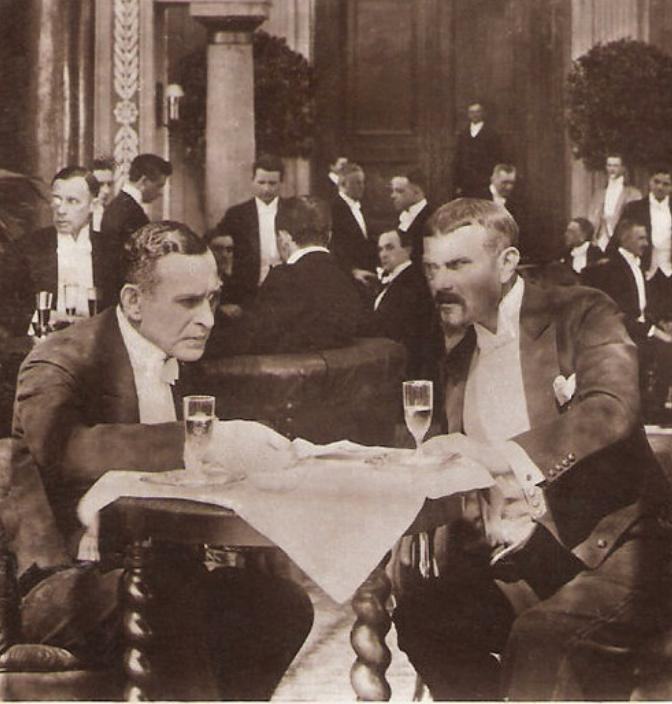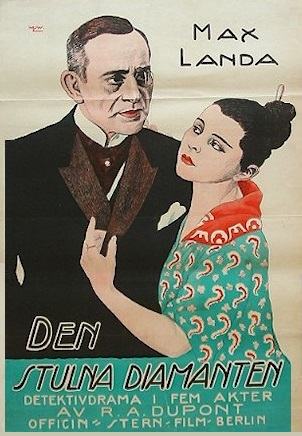
In the nascent years of the Weimar Republic, the German film industry was a cauldron of experimental energy and burgeoning aesthetic philosophies. Die Japanerin (1919) stands as a testament to this transformative period, a celluloid artifact that bridges the gap between the theatrical melodrama of the past and the s...

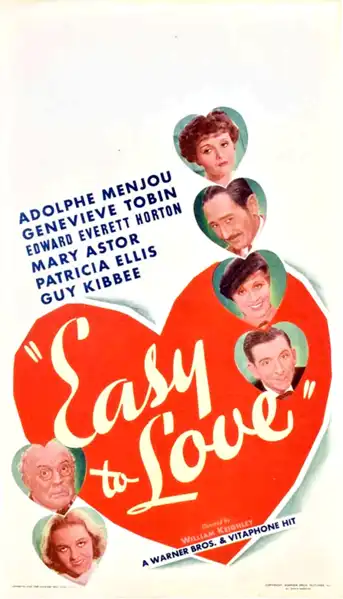
Comparing the cinematic DNA and archive impact of two defining moments in cult history.
Ewald André Dupont

Ewald André Dupont
Community
Log in to comment.
" In the nascent years of the Weimar Republic, the German film industry was a cauldron of experimental energy and burgeoning aesthetic philosophies. Die Japanerin (1919) stands as a testament to this transformative period, a celluloid artifact that bridges the gap between the theatrical melodrama of the past and the sophisticated visual language that would soon define German Expressionism. Directed and penned by the formidable Ewald André Dupont, this film is not merely a relic; it is a complex..."