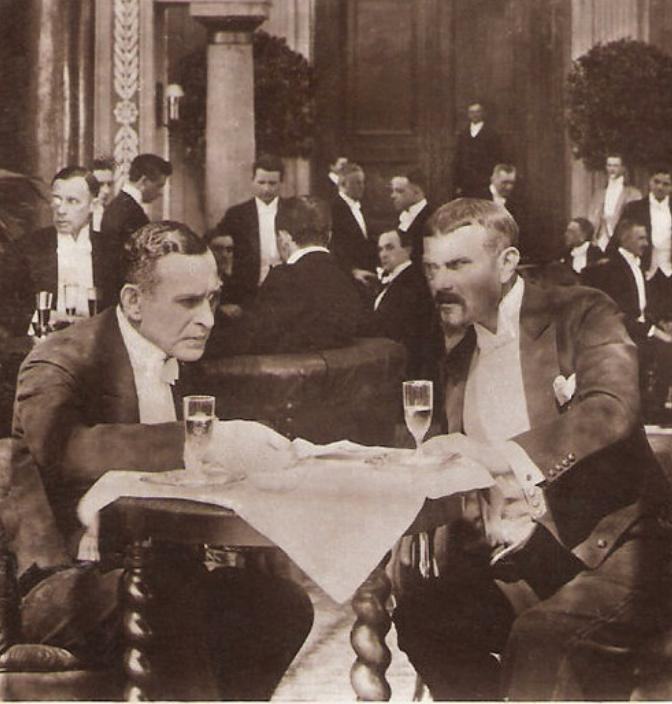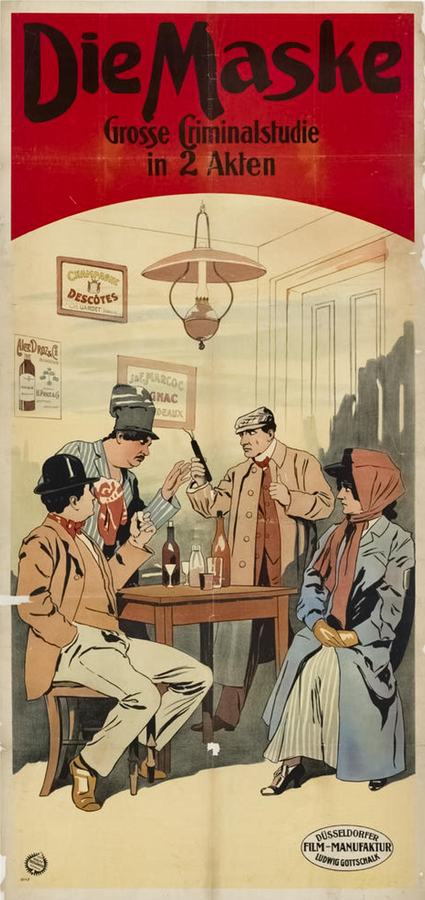
Lord Cross is a respected and always very serious gentleman. In society he is therefore called "the man without a laugh".
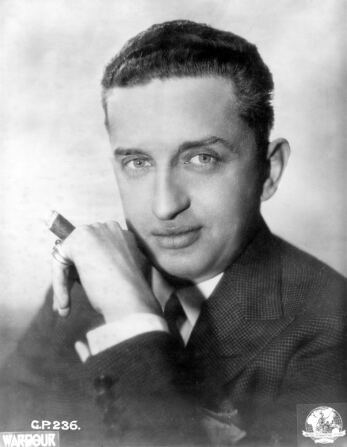
Stepping into the world of early 20th-century silent cinema, one often encounters narratives steeped in melodrama, social commentary, or grand historical epics. Yet, every so often, a film emerges that transcends its era, offering a timeless exploration of the human condition. Paul Leni and Ewald André Dupont's De...

still_frame
Comparing the cinematic DNA and archive impact of two defining moments in cult history.
Ewald André Dupont
Robert N. Bradbury
Community
Log in to comment.
" Stepping into the world of early 20th-century silent cinema, one often encounters narratives steeped in melodrama, social commentary, or grand historical epics. Yet, every so often, a film emerges that transcends its era, offering a timeless exploration of the human condition. Paul Leni and Ewald André Dupont's Der weisse Pfau (The White Peacock) is precisely such a cinematic artifact, a nuanced tapestry woven from threads of societal rigidity, suppressed desire, and the intoxicating allure..."
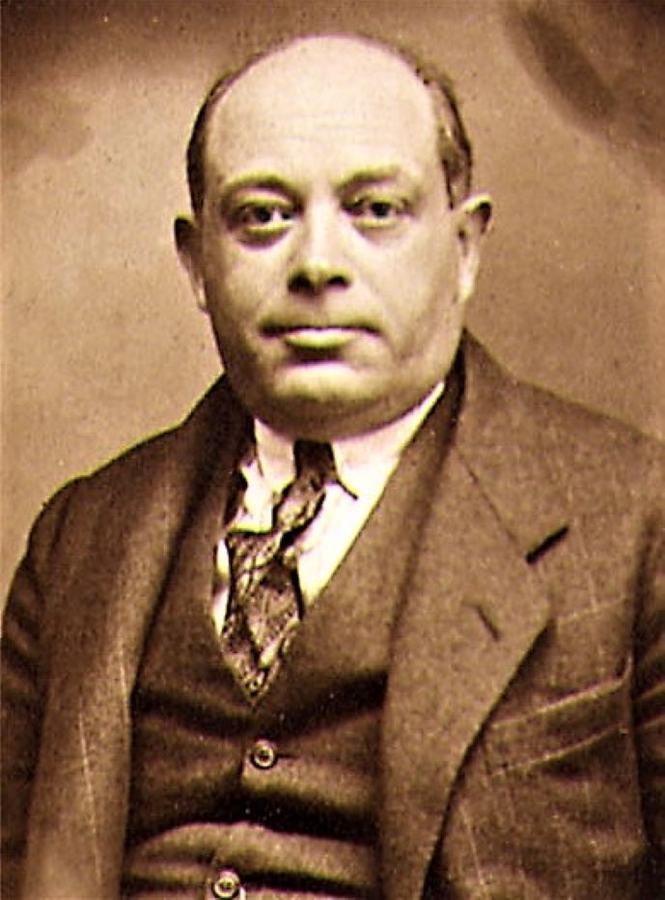
Adolf E. Licho
Paul Leni, Ewald André Dupont
Germany
Deep dive into the cult classic
Discover similar cinematic experiences
A Directorial Spotlight on Ewald André Dupont