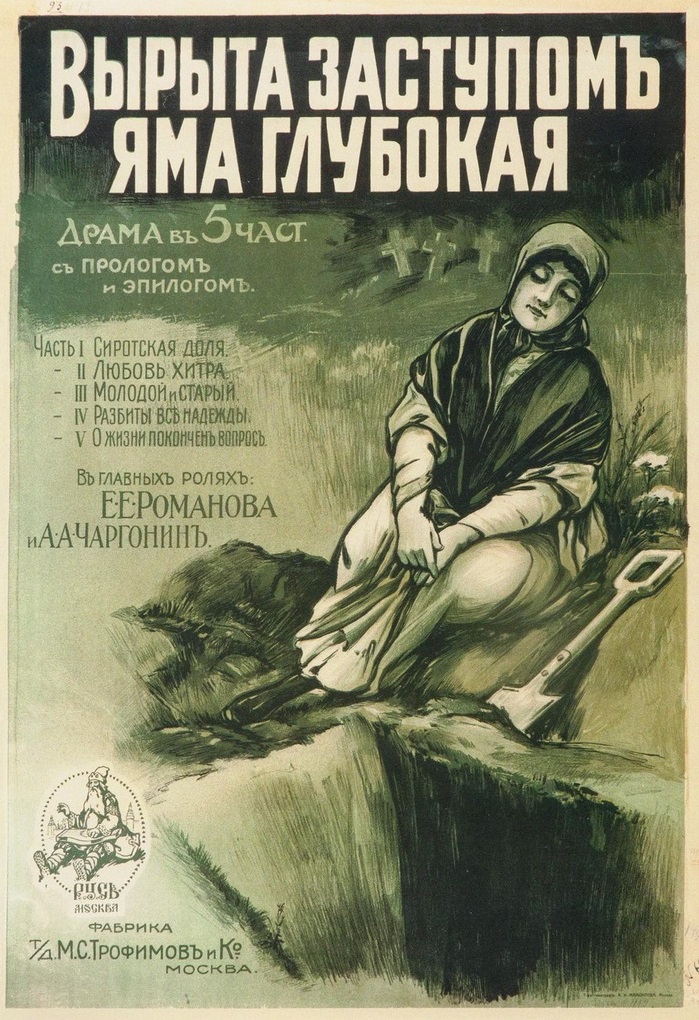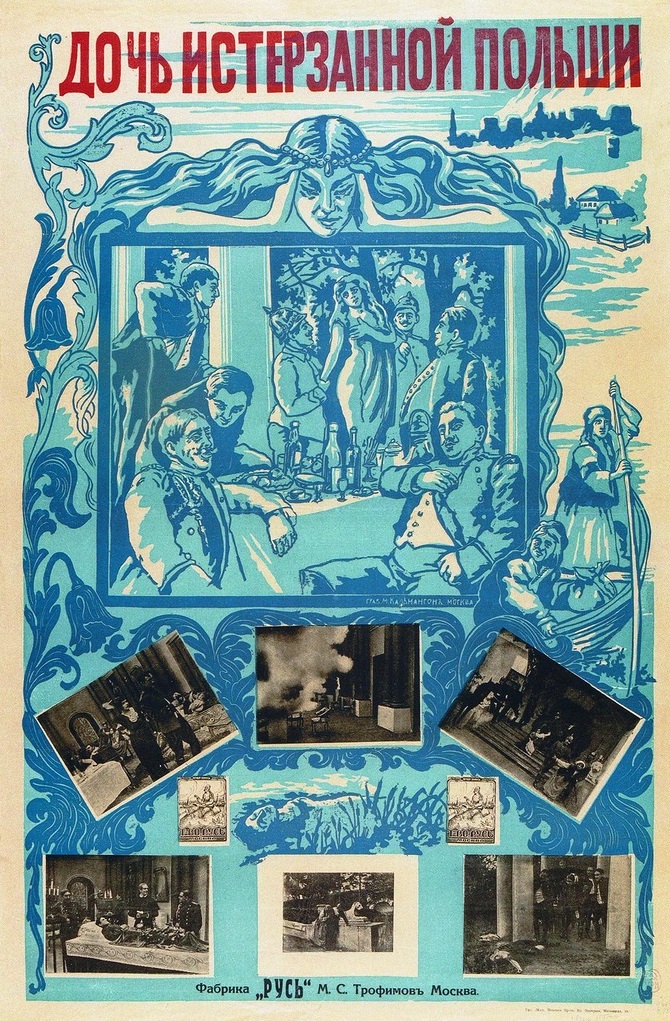
The dramatic events develop against the background of the liberation struggle of the Poles against the Germans..
Ippolit Rapgof, Guy de Maupassant
Russian Federation
p{margin:0 0 1.1em 0;} a{color:#0E7490;text-decoration:underline;} blockquote{border-left:4px solid #EAB308;padding-left:1.2em;margin:1.5em 0;font-style:italic;color:#EAB308;} .ili{color:#C2410C;font-weight:bold;} The first time I encountered Doch Isterzannoy Pol'shi it was a 9.5 mm fragment auctioned in a damp War...
Comparing the cinematic DNA and archive impact of two defining moments in cult history.
Aleksandr Chargonin
Aleksandr Chargonin
Community
Log in to comment.
" p{margin:0 0 1.1em 0;} a{color:#0E7490;text-decoration:underline;} blockquote{border-left:4px solid #EAB308;padding-left:1.2em;margin:1.5em 0;font-style:italic;color:#EAB308;} .ili{color:#C2410C;font-weight:bold;} The first time I encountered Doch Isterzannoy Pol'shi it was a 9.5 mm fragment auctioned in a damp Warsaw cellar—four minutes of warped silver halide that smelled of mildew and revolution. I threaded it onto my hand-cranked Pathé, and suddenly the century collapsed: German dragoons..."
Aleksandr Chargonin
Deep dive into the cult classic
Discover similar cinematic experiences
A Directorial Spotlight on Aleksandr Chargonin