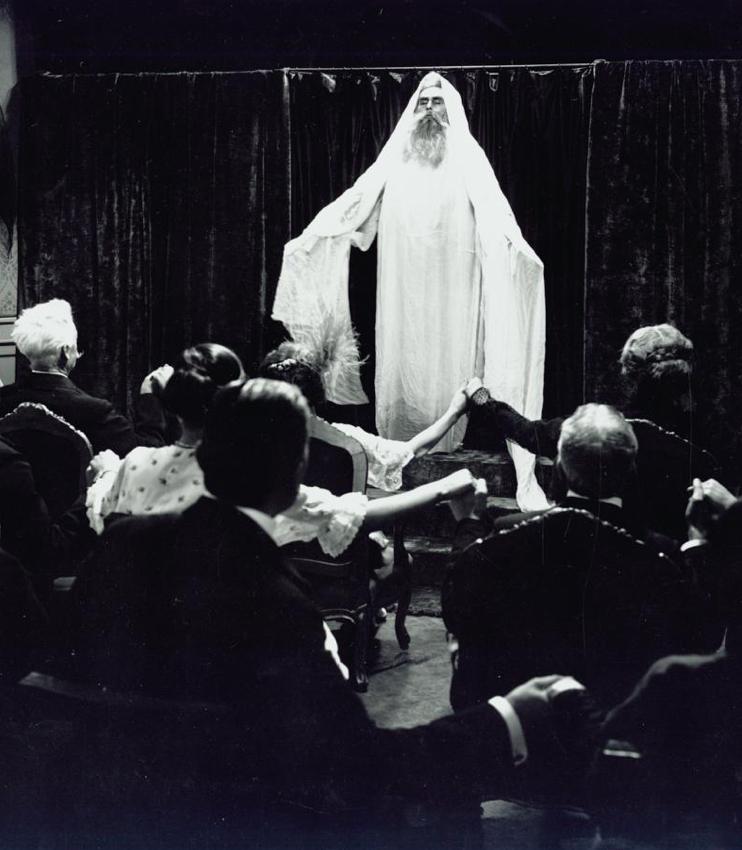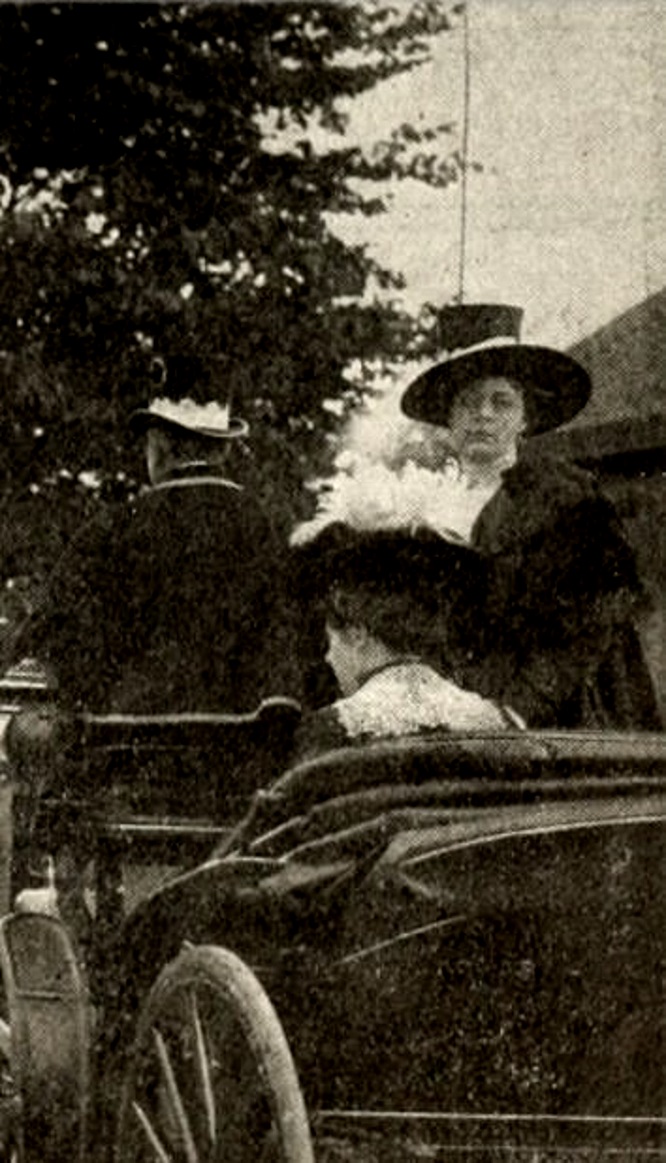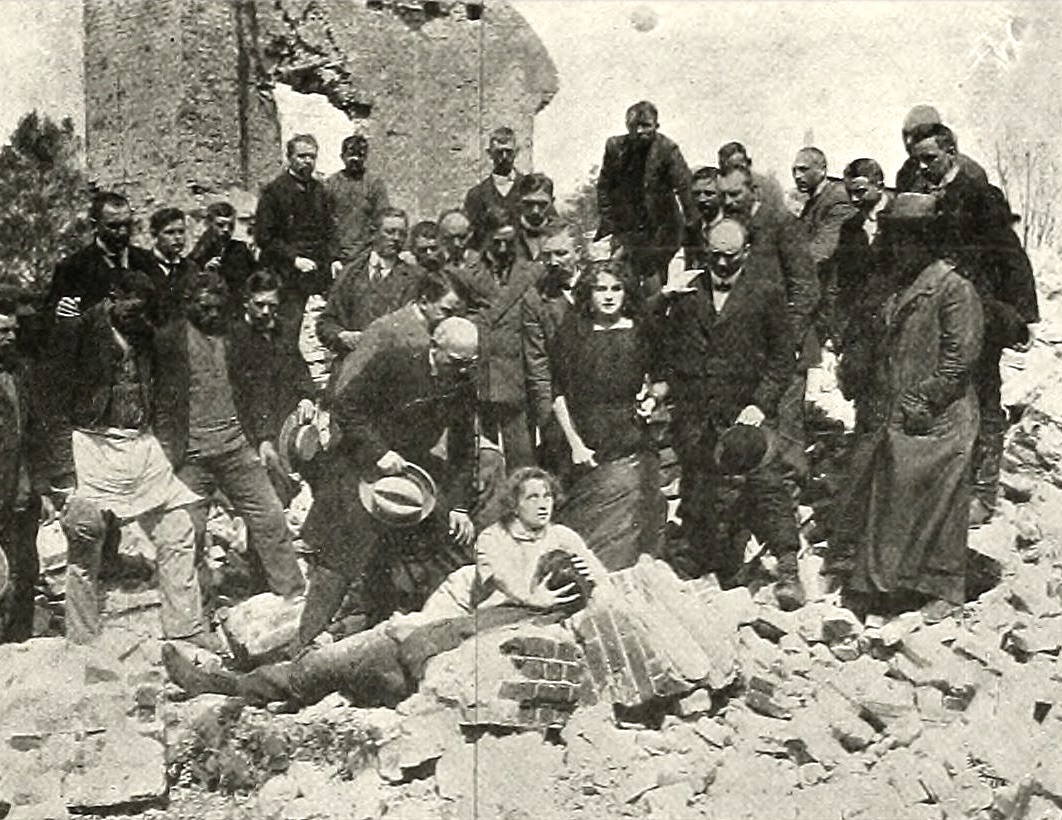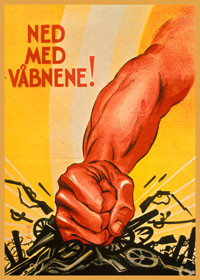
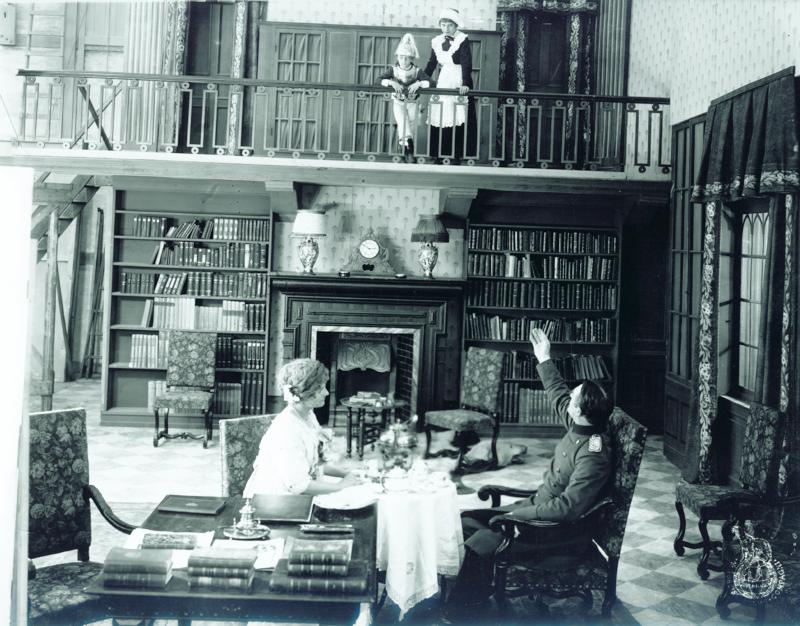
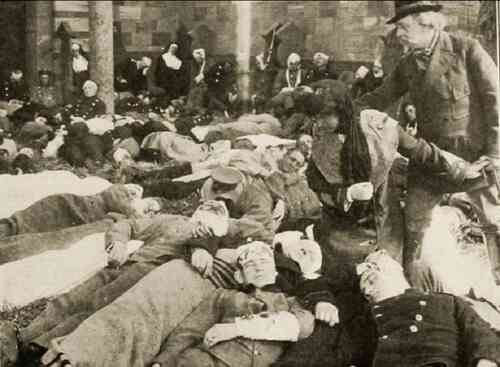
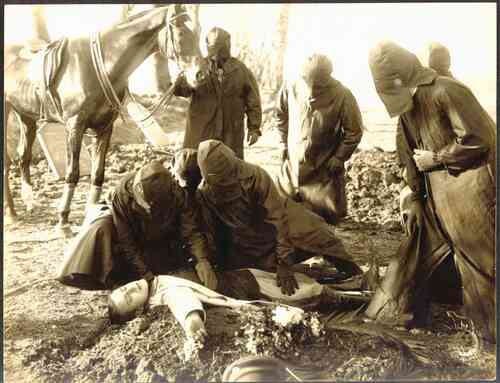
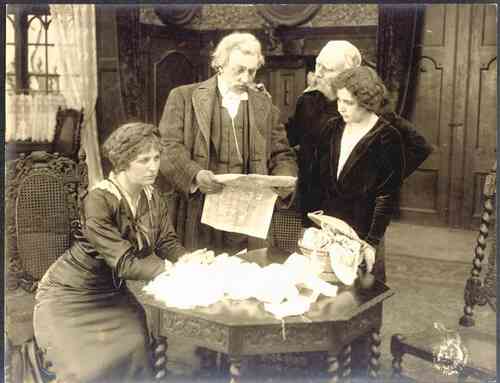
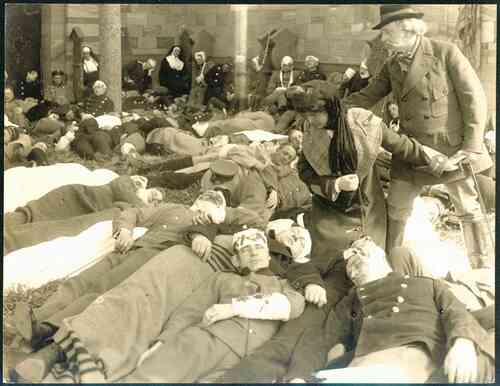
An upperclass war widow marries again. The new husband is also an officer, and soon he has to go to the next war.
Carl Theodor Dreyer, Bertha von Suttner
Denmark
The first time I encountered Down with Weapons I expected a quaint museum relic; instead I stumbled on a detonation still humming a century later. Dreyer, years before his Passion of Joan of Arc redefined close-ups, co-wrote this 1914 grenade of a melodrama with Nobel laureate Bertha von Suttner, and the result is a ...
still_frame
publicity
still_frame
still_frame
still_frame
still_frame
still_frame
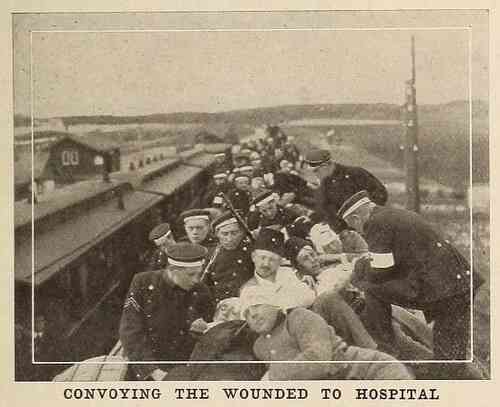
still_frame
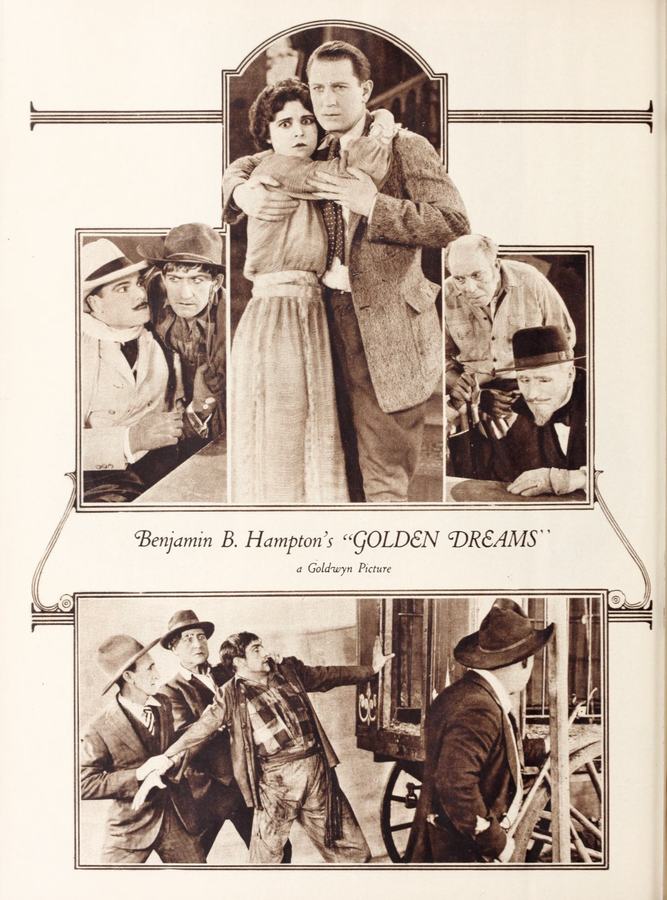
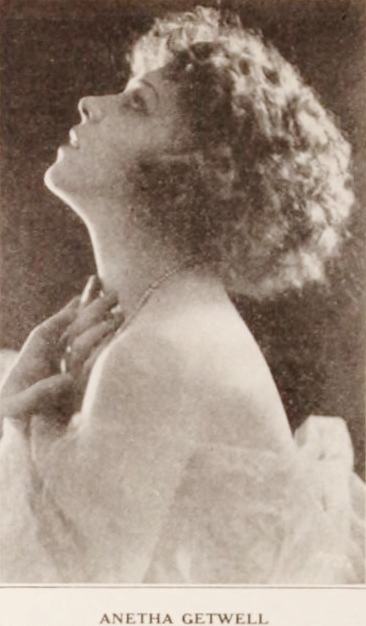
Comparing the cinematic DNA and archive impact of two defining moments in cult history.
Holger-Madsen
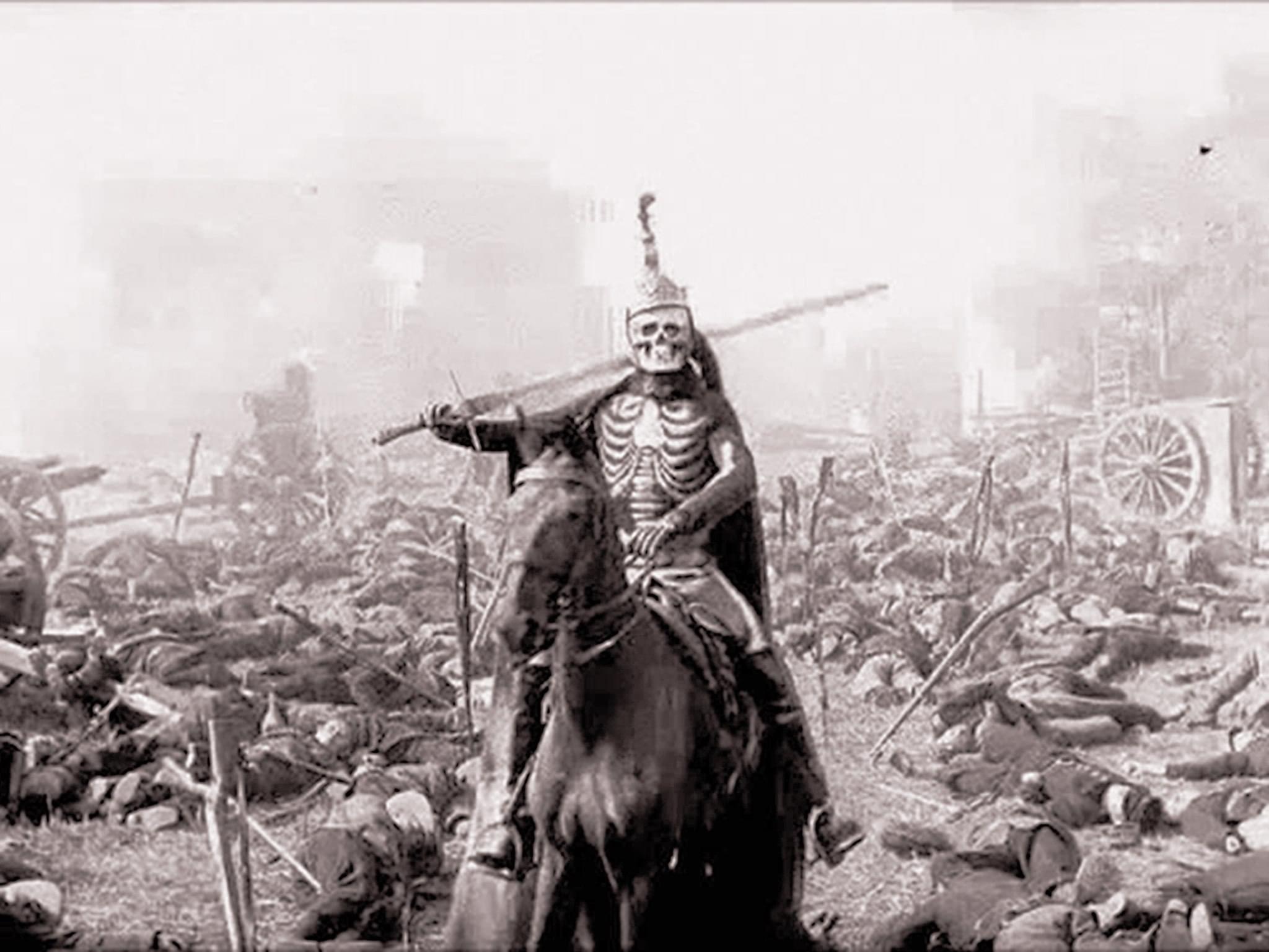
Holger-Madsen
Community
Log in to comment.
" The first time I encountered Down with Weapons I expected a quaint museum relic; instead I stumbled on a detonation still humming a century later. Dreyer, years before his Passion of Joan of Arc redefined close-ups, co-wrote this 1914 grenade of a melodrama with Nobel laureate Bertha von Suttner, and the result is a film that doesn’t preach pacifism—it exhales it like frostbite. Visual Battlefields Cinematographer Axel Graatjaer shoots chandeliers like nooses of light: they shimmer, sway, the..."

Deep dive into the cult classic
Discover similar cinematic experiences
A Directorial Spotlight on Holger-Madsen