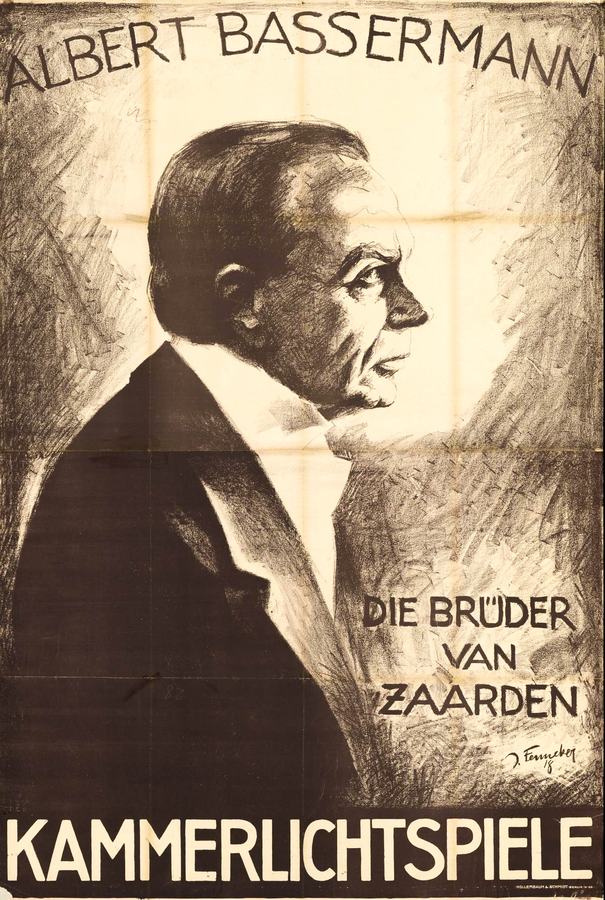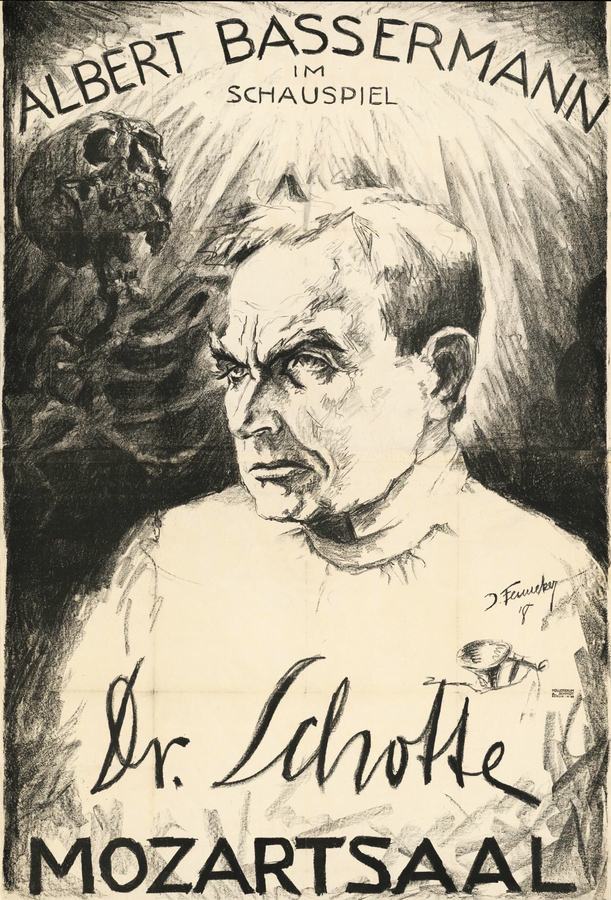
body {background-color: #000; color: #fff; font-family: 'Georgia', serif;}.highlight-orange {color: #C2410C;}.highlight-yellow {color: #EAB308;}.highlight-blue {color: #0E7490;}Dr. Schotte, released in 1914, is a silent film that transcends the constraints of its era, offering a piercing meditation on morality, identit...
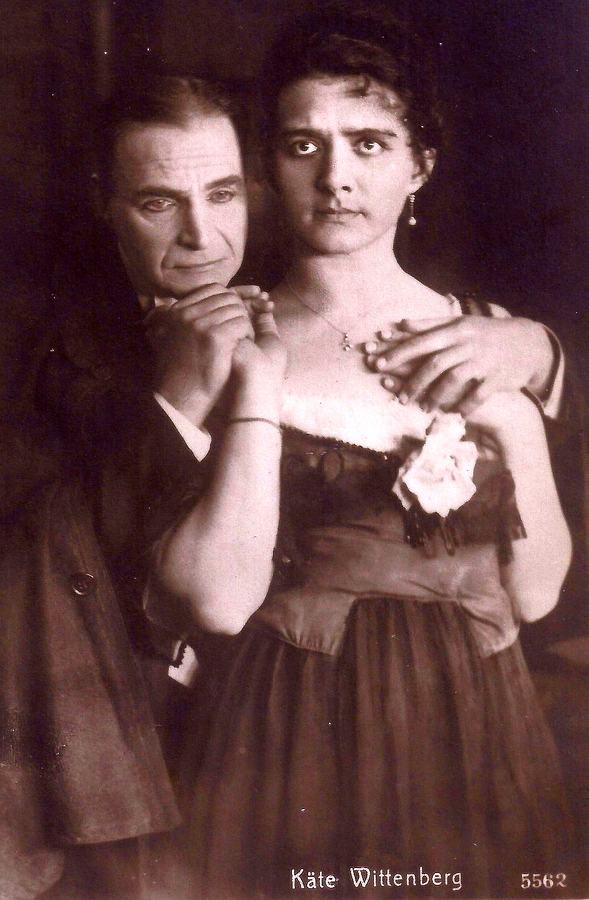
still_frame
Comparing the cinematic DNA and archive impact of two defining moments in cult history.
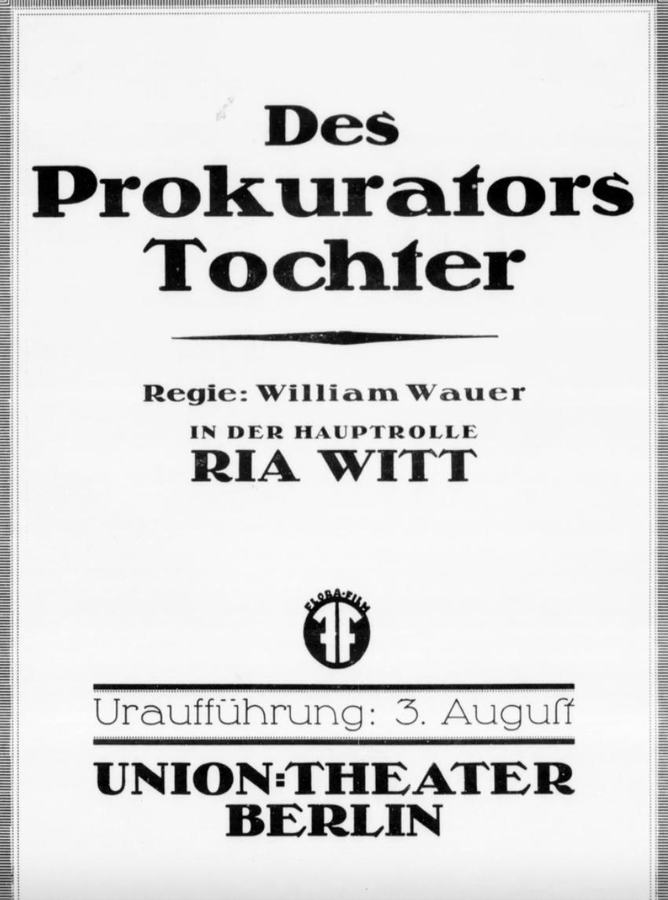
William Wauer

William Wauer
Community
Log in to comment.
"body {background-color: #000; color: #fff; font-family: 'Georgia', serif;}.highlight-orange {color: #C2410C;}.highlight-yellow {color: #EAB308;}.highlight-blue {color: #0E7490;}Dr. Schotte, released in 1914, is a silent film that transcends the constraints of its era, offering a piercing meditation on morality, identity, and the societal pressures that warp the human soul. Directed by an unsung visionary and written by Felix Salten and Elsa Bassermann (who also co-stars), the film is a masterstr..."