DbcultAccessing Vault...
Cult Review
Senior Film Conservator
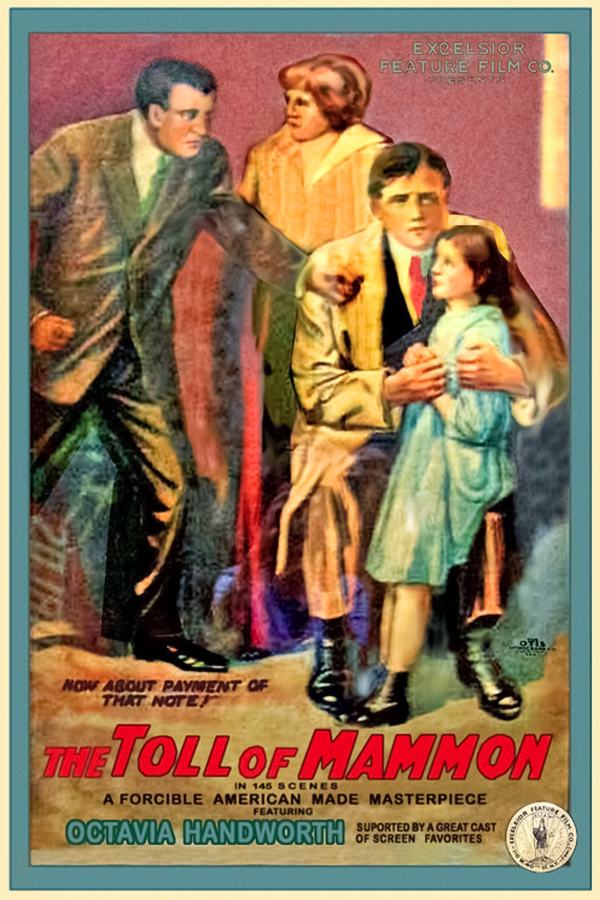
The first time I saw The Toll of Mammon—flickering on a 16 mm transfer at a Brooklyn loft repertory night—I felt the room temperature drop a few Kelvin. Not because the print was cool to the touch, but because this 1913 one-reel grenade still detonates across a century. Most silents from the pre-Griffith adolescence feel like museum pieces: quaint, brittle, scented with camphor. This one arrives like a serrated telegram about debt, desire, and the price of saying “yes” when every ethic screams “run.”
The inciting necklace isn’t merely lost; it is devoured by parquet floors that gleam like guillotine blades. Director William A. Williams (who also plays the reptilian lead promoter) stages the charity ball as a slow-motion feeding frenzy—every fan flutter hides a ledger, every waltz step tallies interest. Octavia Handworth’s Mrs. Wright glides through the masquerade with the brittle poise of someone who has already pawned tomorrow. When the clasp snaps and diamonds scatter, Williams cuts to a medium-close of her face: pupils blown wide, not with fear but with the recognition that the fairy-tale coach has just reverted to pumpkin and ash.
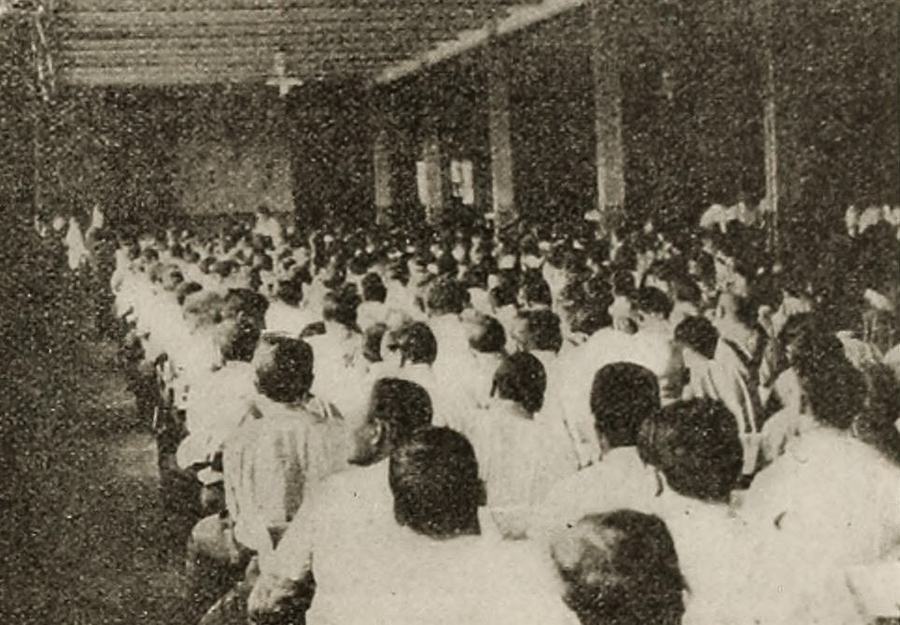
Five thousand 1913 dollars translates to roughly 150 grand today—enough to fracture a young professional’s spine. The note itself gets a recurring insert shot: each time the camera lingers, the handwriting seems to crawl like rot. Williams uses deep-staging: in the foreground the contract; mid-ground John (Tom Tempest) scrubbing surgical soap from his knuckles; background window where a construction girder for the fraudulent sanatorium slices the skyline. No intertitle needed; the frame drips quid-pro-quo dread.
Historically, 1913 sat at the crossroads of patent-medicine anarchy and fledgling FDA muscle. The film’s serum—distilled from reptilian spinal fluid—feels too gonzo to be real, yet archives reveal comparable elixirs marketed from Tampa to Tacoma. Williams stages the lab like a cathedral of malpractice: bubbling retorts, stained-glass diagrams of lungs, and a crucifix-shaped centrifuge. When Dr. Wright finally smashes the bottle, the splash pattern on the wall resembles a blood-spatter Stations of the Cross.
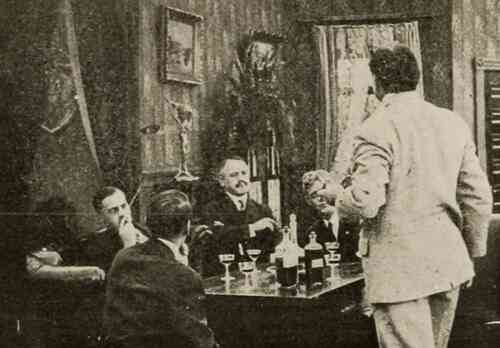
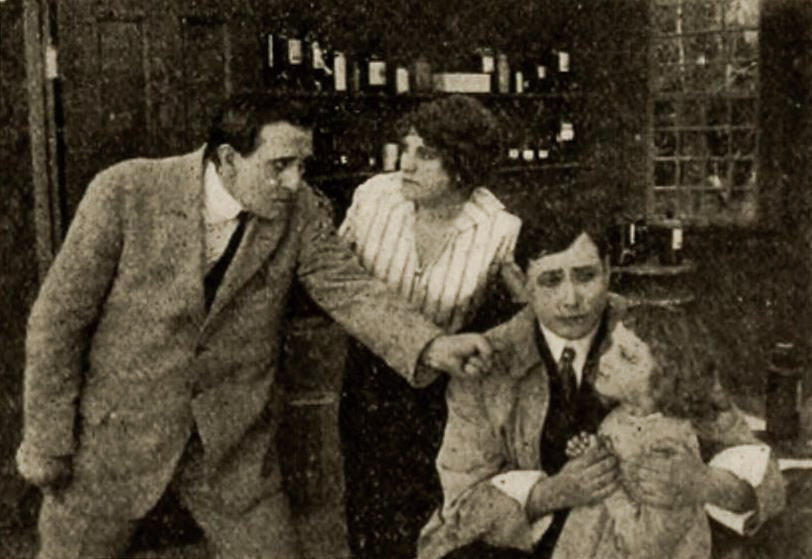
Silent-era acting often skews semaphore, but Tempest modulates: early scenes show the micro-shoulder twitches of a man calculating interest rates while suturing arteries. Post-imprisonment, his body folds inward like a snapped stethoscope. Handworth, meanwhile, traverses three metamorphoses: society tigress, guilt-wracked supplicant, penitent seamstress—each register signaled by how she carries her elbows. The moment she repulses the promoter’s grope, Williams holds a 4-second tableau: her revulsion crystallized, yet the hand she raises to ward him off also fingers the empty air where diamonds once lived. Duality in a gesture.
Stack this against The Great Mistake where marital folly ends in a shrug, or Schuldig whose moral ledger stays conveniently balanced. Mammon refuses catharsis; it ends with two convalescents on a bench, lungs scarred, finances nil, love cauterized clean of illusion. The film is closer to Les Misérables, Part 2: Fantine in its willingness to watch virtue flayed by economic gravity—only here there is no Jean Valjean to scoop up the orphan.
Watch the climactic boat explosion: Williams cross-cuts between the police rifle barrel, the gasoline can, and the doctor’s haunted irises in a rhythm that would make Detour-era Ulmer jealous. The blast itself is double-exposed with a child’s paper-doll silhouette—a prefiguration of atomic-age guilt. Smoke coils backward into the lens, imprinting a negative image that lingers two frames too long, as if the celluloid itself recoils.
Contemporary viewers often hiss at Mrs. Wright’s avarice, yet her arc is the film’s canary in the capitalist coal mine. Raised to equate shimmer with safety, she learns—via the death of her child—that value is a story society agrees to tell. When she stitches shrouds to survive, the needle’s rhythm matches the earlier tap-tap of her heels on marble. Williams implicates us: every spectator who still trades sanity for status via a different currency—likes, shares, crypto, whatever glints.
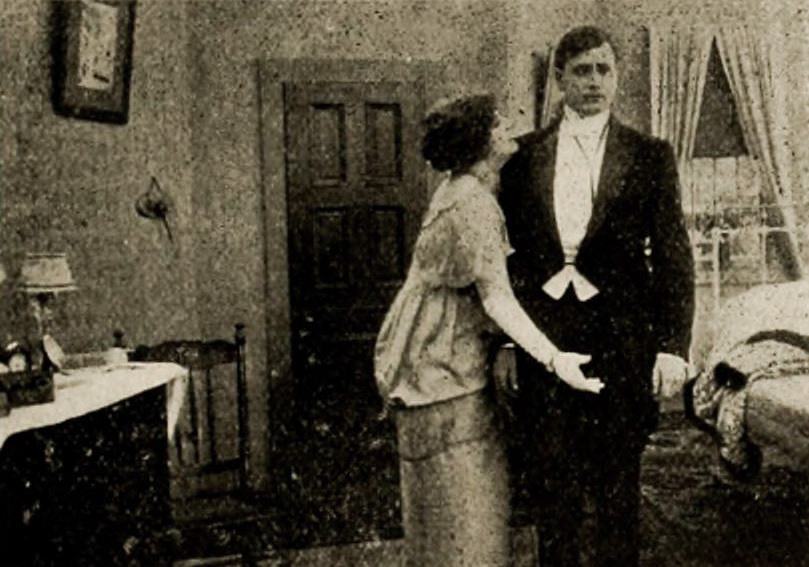
Most archives circulate Mammon sans cue sheets. At that Brooklyn screening, the accompanist improvised a minimalist motif: low bass tremolo for debt, a single high celesta strike each time the necklace re-enters narrative. When the doctor lifts the revolver, the entire house went nuovo-silent—no music, no projector whir, just collective breath held like a final promissory note on the soul.
The only known 35 mm elements reside at Library of Congress, suffering from vinegar syndrome along the first and last 200 feet. A 4K scan exists but is embargoed due to rights entanglement with the Tempest estate. Bootlegs float among silent-film torrent hubs—usually 720p telecine burns marred by ghosted Dutch intertitles. If you snag one, crank the contrast; the night sequences swallow detail otherwise.
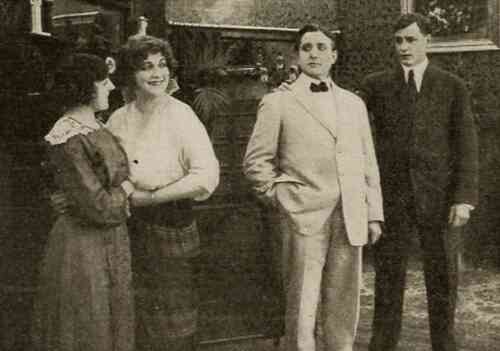
Because buy-now-pay-later apps now outnumber actual physicians. Because influencer-endorsed wellness scams still hawk reptilian peptides. Because the film’s closing tableau—two reformed lovers staring across an Adirondack mist with nothing left but each other—offers a radical proposal: perhaps living small is the only honest way to live. The Toll of Mammon doesn’t wag a moralizing finger; it hands you a mirror and a bill, then quietly asks which of the two you intend to pay.
Verdict: 9.2/10 — Essential pre-feature pairing: Sins of the Parents for a double bill on hereditary guilt, or Wildflower if you crave redemption that actually earns its petals.
IMDb 6.5
1933
Community
Log in to comment.