Germany
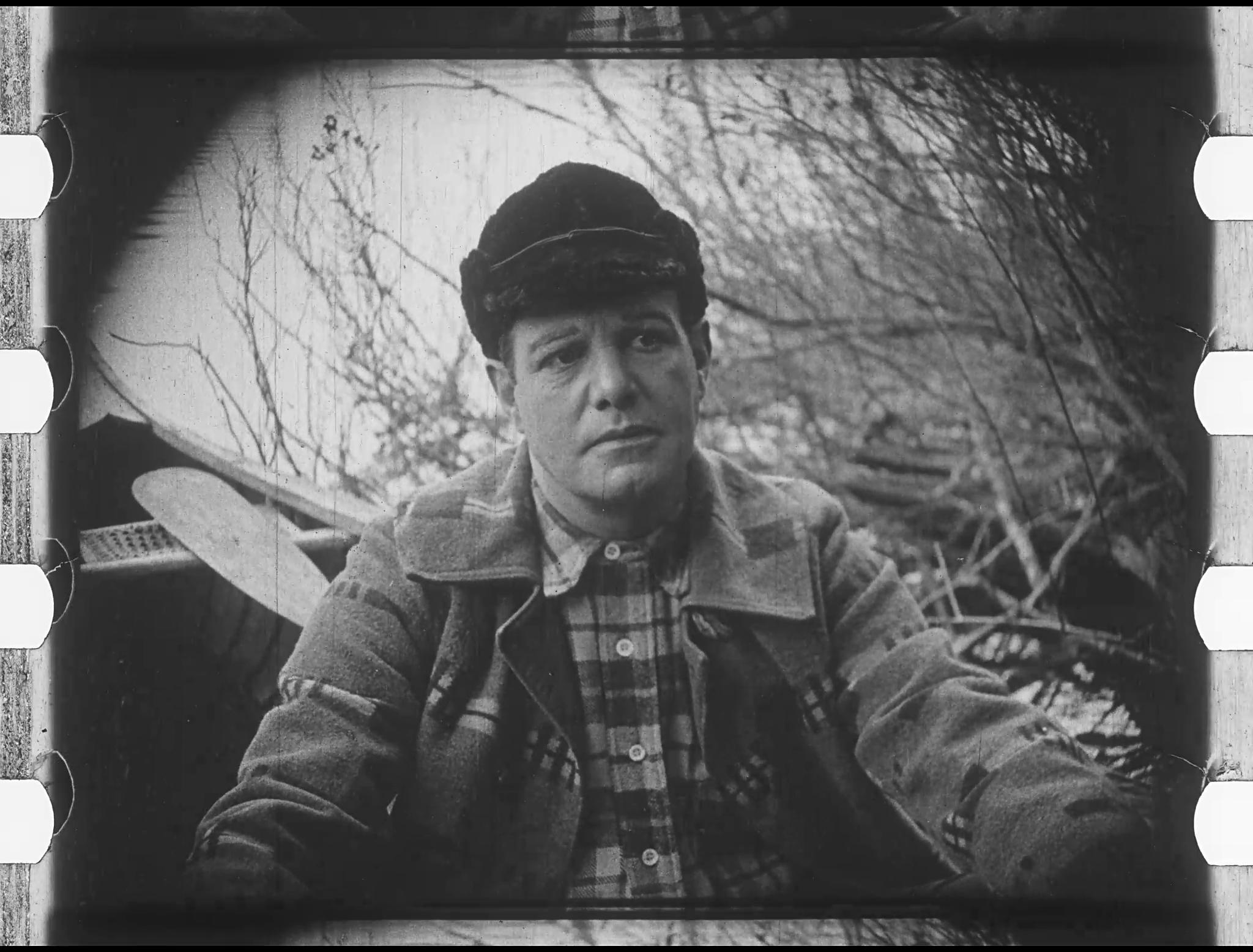
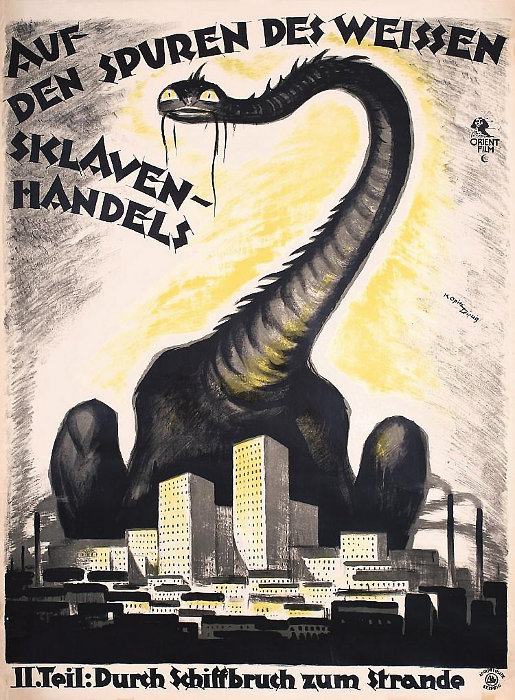
An orphaned reel, misfiled for a century beneath bureaucratic dust, has surfaced under the title Durch Schiffbruch zum Strande, and it detonates every complacent myth that early German cinema merely tip-toed toward expressionism. The print—hand-tinted like bruised peaches—runs a terse forty-one minutes, yet its after...
Comparing the cinematic DNA and archive impact of two defining moments in cult history.
Edmund Linke
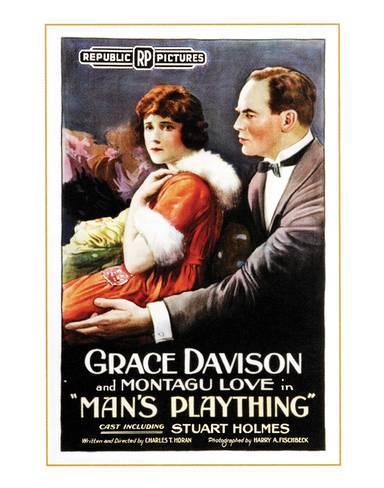
Charles Horan
Community
Log in to comment.
" An orphaned reel, misfiled for a century beneath bureaucratic dust, has surfaced under the title Durch Schiffbruch zum Strande, and it detonates every complacent myth that early German cinema merely tip-toed toward expressionism. The print—hand-tinted like bruised peaches—runs a terse forty-one minutes, yet its afterimage lingers for days, the way magnesium flares tattoo the retina. Edmund Linke, who allegedly directed, wrote, and stars without ever blinking at the lens, orchestrates a shipwre..."
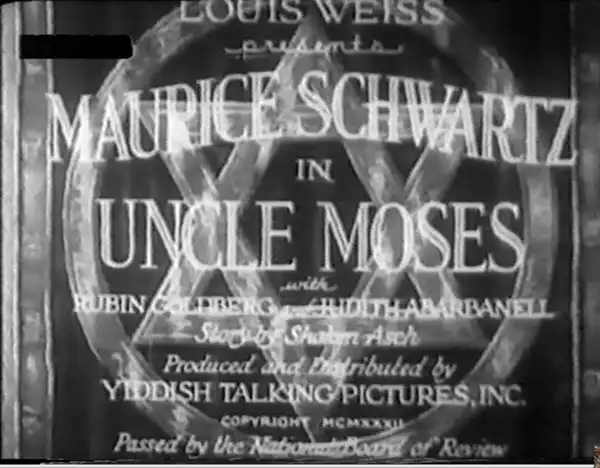

Deep dive into the cult classic
Discover similar cinematic experiences
A Directorial Spotlight on Edmund Linke