Summary
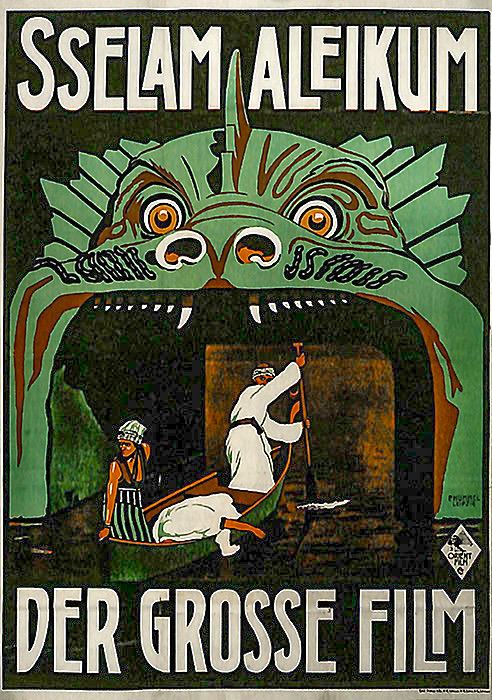
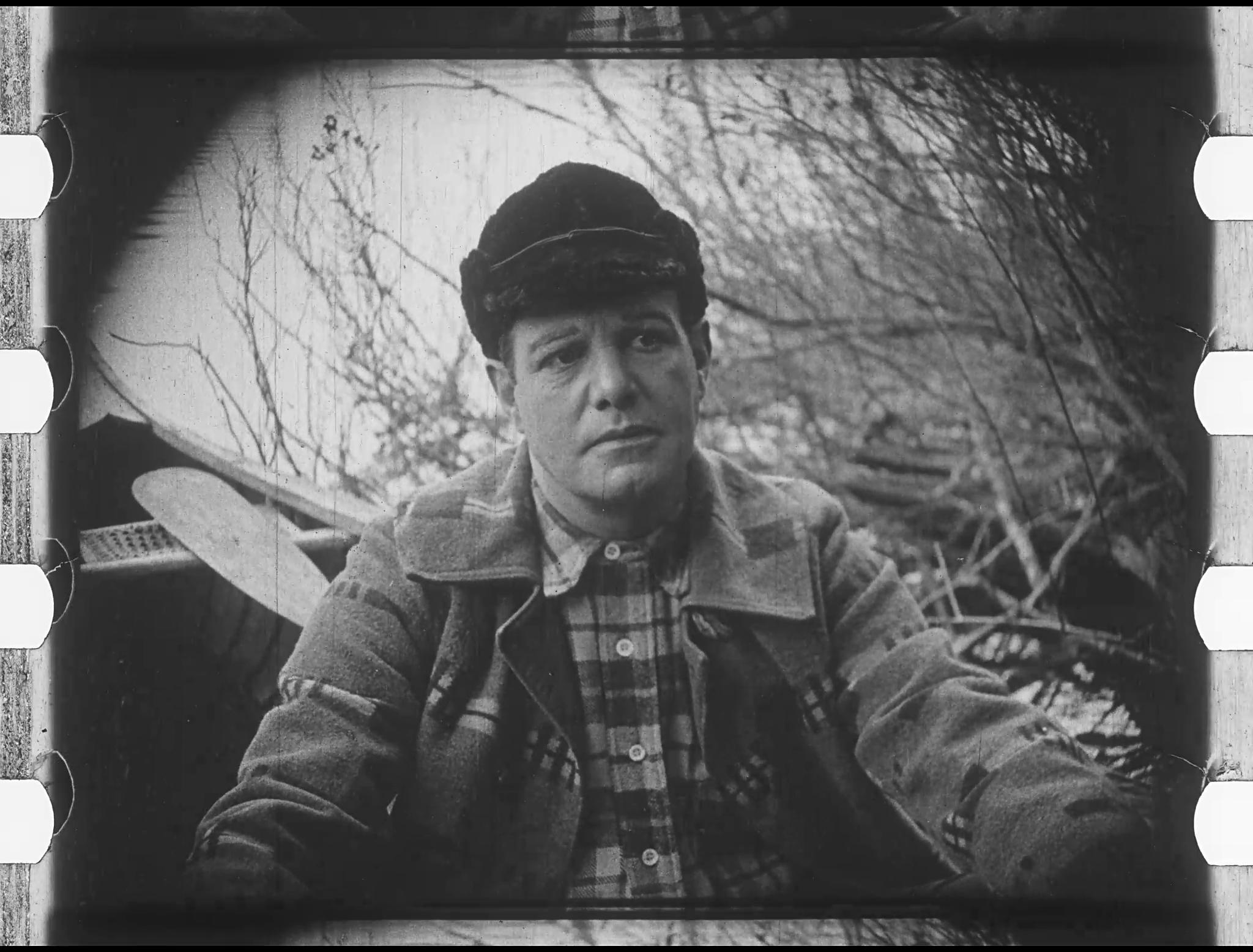
In the soot-streaked aftermath of a Europe still coughing up the ashes of empire, Seelam Aleikum glides like a ghost barge along the Spree, its very title—an Arabic benediction—already a provocation to the monocultural fantasies of 1920s Berlin. Käthe Wittenberg’s luminous widow, Frau Liliencron, drifts through the film in veils that flutter like surrender flags stitched from old ration books; she has inherited not only a bankrupt silk-import firm but also a crate of unclaimed human longing left on the Hohenzollin docks. Edmund Linke—doubling as scowling screenwriter and as the itinerant dockworker Herr Brinkmann—arrives with salt-stiff cuffs and eyes that have memorised every rivet of sorrow in the harbour. Between them unfolds a barter of grief: she offers the phantom of financial rescue, he offers the mirage of emotional salvage. Around this vacuum of mutual need orbits a carnival of broken marionettes: Ewald Schindler’s morphine-addicted notary who timestamps his own tremors; Claire Harten’s cigarillo-wafting cabaret sphinx whose pupils dilate only at the sound of collapsing currencies; Lothar Körner’s mutilated war-censor who now cuts truth from newsreels instead of propaganda; Oskar Ingenohl’s defrocked priest hawking indulgences for the inflationary soul. The plot refuses the tyranny of linearity: it loops, recoils, stutters like a gramophone record scorched in a furnace. One reel dissolves into hand-tinted amber fantasies of Anatolian caravanserais; another freezes into cobalt silhouettes as Berlin’s gas lamps flicker out forever. A child—never named, never claimed—scampers across the frame clutching a moth-eaten fez, a living metonymy for borders that bleed. When the widow finally boards the night train to Constantinople, the camera stays stubbornly on the platform, watching Brinkmann’s shadow elongate until it knits itself into the departing steam, a double exposure that whispers the film’s heretical thesis: every farewell is also a homecoming in a continent busy inventing passports.
Review Excerpt
"
The first thing that strikes you is the humidity—yes, humidity—rising from the celluloid itself, as if the film were stored in a Turkish hammam rather than a German vault. Seelam Aleikum does not begin; it exhales. A curl of Bosporus fog slips across the screen, carrying the faint clang of a tram bell that never quite arrives. We are in Berlin, 1923, yet the city feels porous, colonised by mirages of elsewhere. Director Edmund Linke, who also wrote the scenario and plays the male lead, refuses..."