DbcultAccessing Vault...
Cult Review
Senior Film Conservator
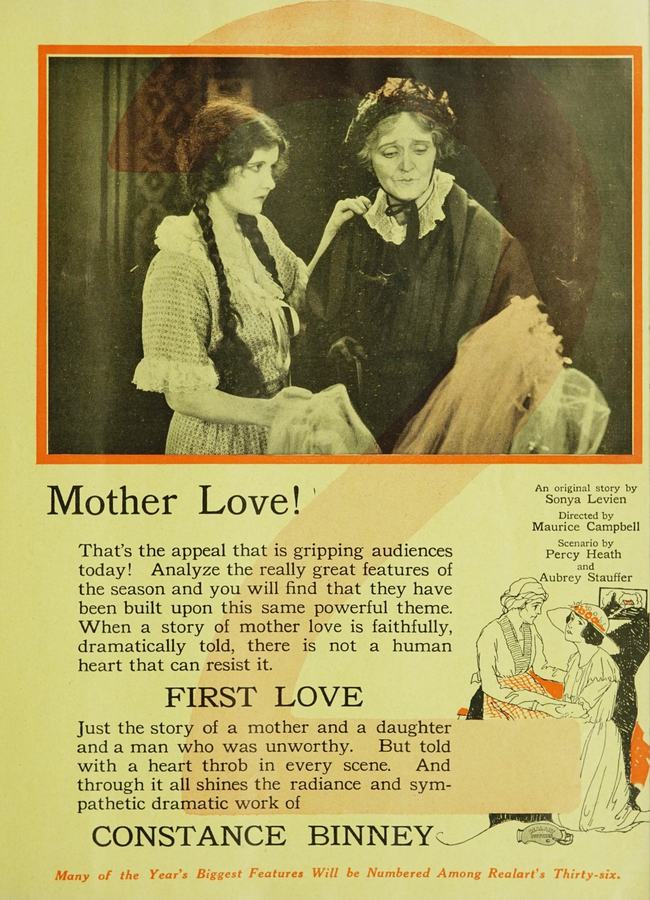
In the nascent years of cinematic storytelling, when the silver screen communicated through gestures, expressions, and the evocative power of a well-placed title card, certain films managed to capture the intricate dance of human emotion with remarkable clarity. One such gem is the 1921 feature, "First Love," a narrative that, despite its century-old vintage, resonates with the perennial pangs of youthful infatuation, bitter disillusionment, and the slow, arduous path to genuine affection. It’s a compelling testament to the universality of the human heart, its vulnerabilities, and its capacity for growth, even when faced with profound betrayal. The film, directed with a sensitive hand, plunges us into a world where social strata subtly dictate destinies, and where the purity of intent often clashes with the harsh realities of opportunism.
At the heart of this poignant drama is Kathleen O'Donnell, brought to life with an earnest vulnerability by the luminous Constance Binney. Binney, a prominent figure of the silent era, imbues Kathleen with a believable blend of youthful idealism and burgeoning independence. Kathleen is introduced as a factory worker, her days likely filled with the mundane rhythm of industrial labor, yet her spirit remains untarnished, brimming with the romantic notions often harbored by those on the cusp of adulthood. Her world, though modest, is one of simple truths until the dashing Harry Stanton enters it. Stanton, portrayed by Warner Baxter, is a figure of superficial charm, an ambulance driver who masterfully crafts an elaborate deception, presenting himself as a diligent, struggling medical student. This facade, a tapestry woven with ambition and intellectual promise, proves irresistible to Kathleen, who sees in him not just a lover, but a partner in a grander, more sophisticated future than her factory life could ever promise. It’s a classic tale of a predator preying on innocence, a theme explored with varying degrees of success in numerous films, from the stark social critique of The Evil Thereof to the more nuanced psychological deceptions found in Crooked Straight.
Kathleen's immediate and profound infatuation with Stanton is not merely a plot device; it is a meticulously observed study of first love's intoxicating power. It blinds her to the subtle warnings, deafens her to the wisdom of experience, and propels her down a path of self-sacrifice. Her father, a man of quiet wisdom and perhaps a more worldly understanding of character, perceives the inherent falsity in Stanton. His vehement prohibition of Stanton's presence in their home is not born of a desire to control, but rather a protective instinct, a father's attempt to shield his daughter from impending heartbreak. Yet, for Kathleen, this paternal decree is an unwarranted intrusion into her burgeoning independence, an archaic attempt to stifle her burgeoning autonomy. In her eyes, her father misunderstands the depth and sincerity of her feelings, failing to see the 'potential' she so readily projects onto Stanton. This generational clash, a familiar trope, is handled here with a certain gravity, underscoring the irreversible consequences of youthful defiance when guided by misjudgment.
Driven by a potent cocktail of love and rebellion, Kathleen leaves the familiar comforts of her home for the anonymity of a boarding-house. This act, while seemingly a bold stride towards independence, is simultaneously a step deeper into the quicksand of Stanton's deception. Her new life is marked by financial austerity, as she willingly channels her meager factory wages into Stanton's supposed scholastic endeavors. Each coin she hands over, intended for textbooks and tuition, represents a piece of her own future, a tangible sacrifice for a dream that is, unbeknownst to her, entirely fabricated. The film eloquently portrays the economic vulnerability of young women in this era, where a misguided romantic attachment could lead to severe personal and financial hardship. Kathleen's journey here mirrors, in some ways, the struggles of protagonists in films like The Fettered Woman, where societal constraints and personal choices often lead to precarious situations for female characters.
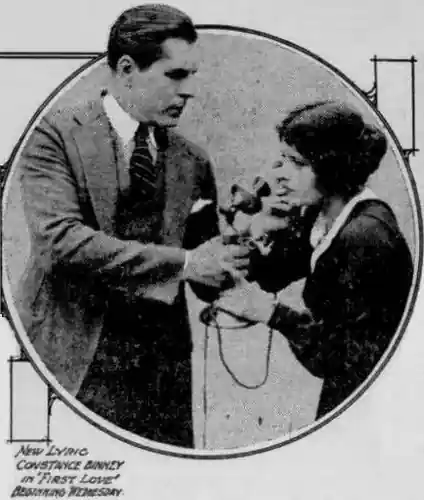
During this period of self-imposed exile and financial strain, another figure emerges: Donald Holliday, the owner of the very factory where Kathleen works. Portrayed by Edward Jobson, Holliday is the antithesis of Stanton – grounded, earnest, and genuinely concerned for Kathleen's well-being. He represents a quiet, steadfast affection, a love born not of superficial charm but of genuine admiration and respect. Holliday, with his practical understanding of the world and perhaps a keener eye for character, quickly discerns Stanton's true nature. His attempts to warn Kathleen, born of a sincere desire to protect her from inevitable heartbreak, are met with her fierce indignation. Blinded by her infatuation, she interprets his warnings as malicious interference, a jealous attempt to sabotage her happiness. This tragic misunderstanding underscores the film's exploration of perception versus reality, and the difficulty of conveying truth to a heart unwilling to receive it. It speaks to the universal human tendency to cling to comforting lies over uncomfortable truths, especially when our emotions are deeply invested.
Kathleen's journey towards enlightenment is not a gentle awakening but a brutal confrontation with reality. Her increasing financial difficulties force her to take up employment in a bustling restaurant, a stark contrast to the relative predictability of the factory. It is in this new, public arena that her illusions are spectacularly shattered. The scene where Harry Stanton, her supposed devoted medical student, saunters into the restaurant not with textbooks but with another woman by his side, is the film's devastating climax. The visual impact, even in a silent film, would have been profound: the suddenness of the betrayal, the public humiliation, the utter collapse of her carefully constructed dream. Binney's portrayal of this moment of profound shock and heartbreak is undoubtedly a masterclass in silent acting, conveying a world of emotional devastation without a single spoken word. This pivotal scene echoes the sudden, stark realizations of characters in other dramas, where a single event irrevocably alters their perception of reality, much like the moment of truth in Dust, where hidden truths are finally exposed.
The emotional fallout from this betrayal is immediate and severe, manifesting as a grave illness. This period of physical and emotional convalescence serves as a crucial turning point for Kathleen. Stripped of her illusions, vulnerable and weakened, she is forced into introspection. The fever of her illness mirrors the fever of her misguided passion, and as one subsides, so too does the other. It is during this time that the steadfast and genuine affection of Donald Holliday, once spurned and resented, begins to shine through with undeniable clarity. He is there, not with grand gestures or deceptive promises, but with quiet support, unwavering care, and a genuine concern for her well-being. This contrast between Stanton's flashy deceit and Holliday's quiet devotion becomes starkly apparent, allowing Kathleen to finally discern the difference between fleeting infatuation and enduring love. This arc of suffering leading to profound personal growth is a recurring motif in cinema, often seen in films focusing on character development through adversity, akin to the spiritual journey depicted in Dukhovnye ochi.
The success of "First Love" lies not only in its compelling narrative but also in the nuanced performances of its lead actors. Constance Binney, as Kathleen, carries the emotional weight of the film with remarkable grace. Her transition from wide-eyed innocence to heartbroken disillusionment, and finally to a state of quiet strength and mature affection, is portrayed with a delicate authenticity that transcends the limitations of silent film. Warner Baxter, as the duplicitous Harry Stanton, masterfully embodies the charming villain, his superficial allure masking a profound lack of character. Edward Jobson, as Donald Holliday, delivers a performance of understated sincerity, making his character a grounded, trustworthy presence that anchors the film's moral compass. The supporting cast, including Betty Schade, Fanny Midgley, and Agnes Adams, further flesh out the world of Kathleen, adding texture and depth to her journey.
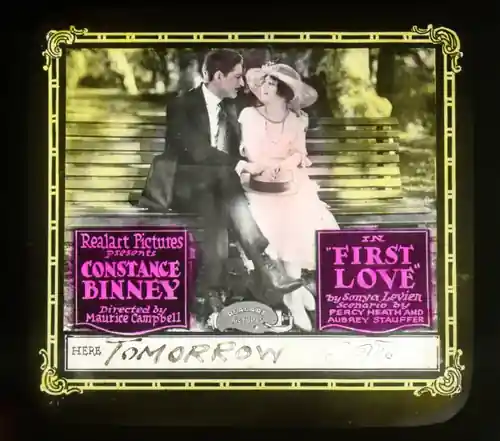
The directorial vision, guided by the screenwriting team of Percy Heath, Sonya Levien, and Aubrey Stauffer, is particularly adept at building emotional tension and delivering impactful dramatic beats. The pacing allows for the gradual development of Kathleen's infatuation and the slow reveal of Stanton's true colors, making the moment of disillusionment all the more potent. The use of close-ups, a staple of silent cinema, would have been crucial in conveying the intricate emotional shifts of the characters, particularly Binney's. The narrative structure, moving from naive romance to bitter betrayal and culminating in a redemptive affection, is a classic template, yet it feels fresh and immediate due to the conviction of its execution.
"First Love" delves into several enduring themes. Primarily, it is a sophisticated exploration of the nature of love itself: distinguishing between the intoxicating, often superficial, rush of infatuation and the deeper, more resilient bond of genuine affection. Kathleen's journey is fundamentally one of learning this crucial distinction. The film also touches upon themes of social class, albeit subtly. Kathleen, a factory worker, is drawn to Stanton's fabricated 'student' status, perhaps seeing it as a gateway to a more elevated social standing. Donald Holliday, the factory owner, represents a different kind of stability and success, one built on honest labor and integrity, contrasting sharply with Stanton's parasitic aspirations. This social commentary, though not overtly political, provides a rich backdrop for the personal drama.
Furthermore, the film is a testament to the power of redemption and the possibility of finding true happiness after profound heartbreak. Kathleen's illness and convalescence are not merely physical ailments but symbolic periods of purification and rebirth. She emerges from her suffering with a clearer vision, a stronger spirit, and a newfound appreciation for authentic connection. Her acceptance of Holliday's love is not a consolation prize but a conscious choice, an affirmation of a hard-won maturity. This narrative trajectory, where suffering leads to wisdom and a more profound understanding of self and others, aligns with the emotional depth found in films like Humility, where characters grow through their trials.
Even a century later, "First Love" holds its power, primarily due to its universal themes and the compelling performances that transcend the absence of spoken dialogue. It reminds us that the fundamental human experiences of love, betrayal, and resilience are timeless. For those interested in the evolution of romantic drama in cinema, or for anyone seeking a poignant story of personal growth, "First Love" remains a significant and affecting watch. It is a quiet masterpiece of its era, demonstrating how early filmmakers, with limited technological means, could still craft narratives of profound emotional resonance. The film stands as a testament to the enduring power of storytelling, proving that the language of the heart needs no sound to be understood. Its narrative simplicity belies a depth of character study and emotional journey that many modern films struggle to achieve, making it a valuable piece in the mosaic of early Hollywood cinema. The enduring appeal of such stories, much like the continued fascination with early works such as The Battle of the Sexes or O Villar eis ta gynaikeia loutra tou Falirou, lies in their ability to reflect universal human experiences through the lens of their specific cultural and historical contexts.
In an era dominated by spectacle and rapid technological advancements in filmmaking, revisiting a film like "First Love" offers a refreshing perspective on the core elements that make a story truly captivating: relatable characters, genuine emotional stakes, and a narrative that builds towards a meaningful resolution. It's a reminder that the essence of cinema, regardless of its technological dressing, has always been about reflecting the human condition, with all its triumphs and heartbreaks. The film's legacy is not just as a historical artifact, but as a vibrant, living narrative that continues to speak to audiences about the perennial quest for true connection and the often-painful lessons learned along the way. Its quiet power leaves an indelible mark, proving that sometimes, the most profound stories are told in silence, allowing the audience to truly feel the weight of every glance, every gesture, and every unspoken emotion. It's a journey from the ephemeral glow of youthful infatuation to the steady, comforting warmth of mature affection, a journey that many of us, in some form or another, are destined to undertake.
IMDb —
1920
Community
Log in to comment.