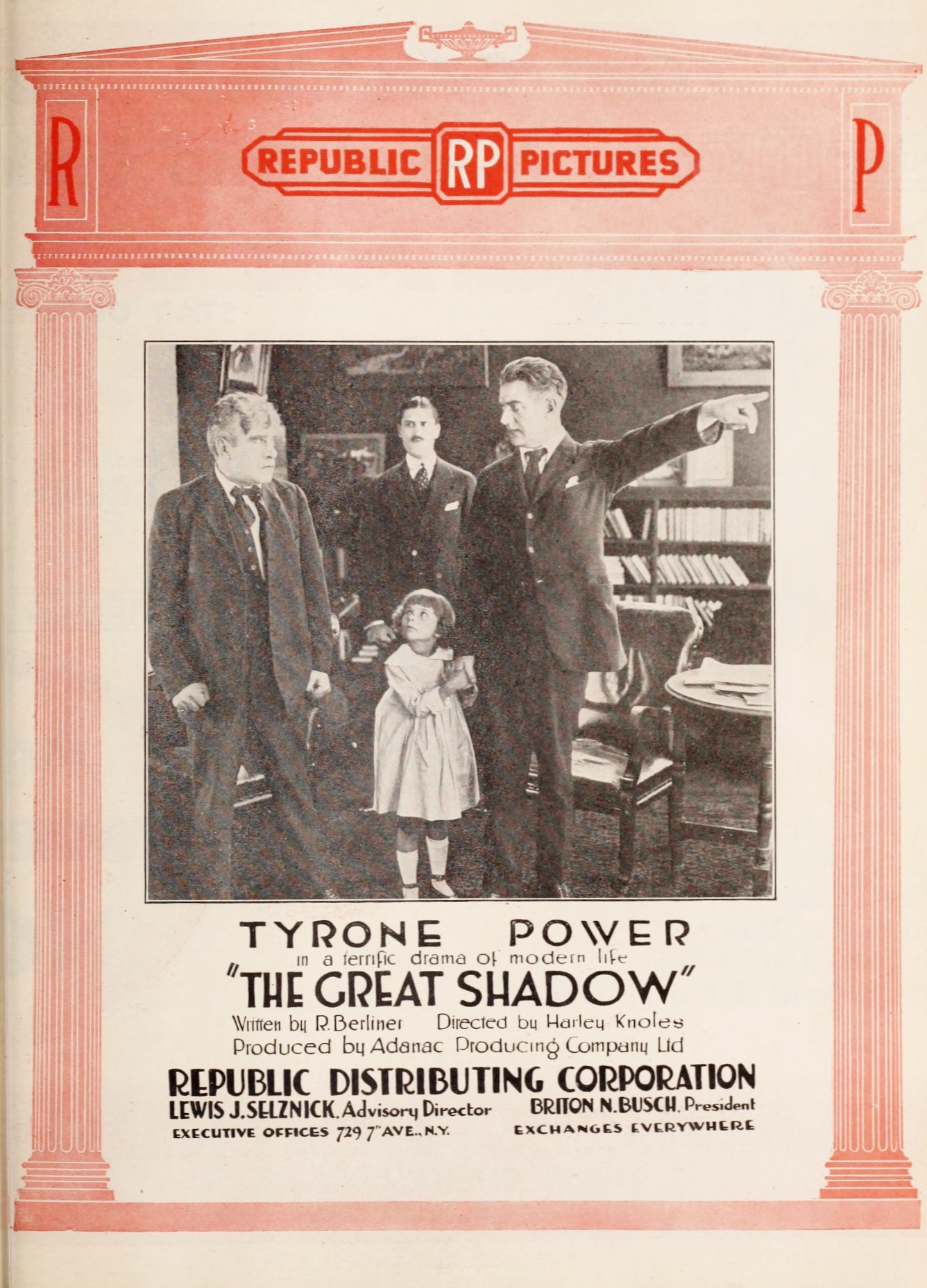
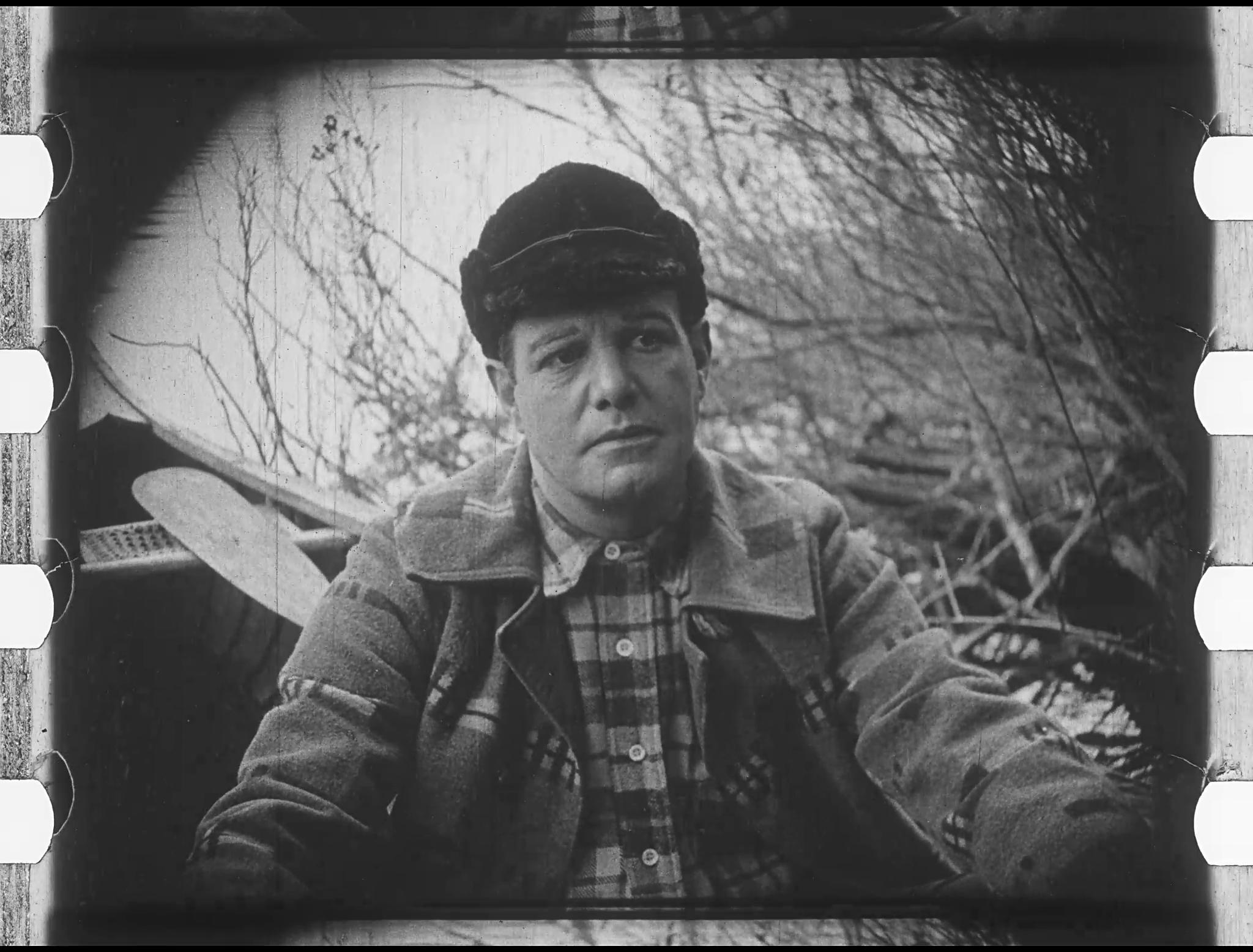
Background component for an eponymous stage play, which contrasts the reality of war with that of high society..
Upton Sinclair, Les Kurbas
Soviet Union
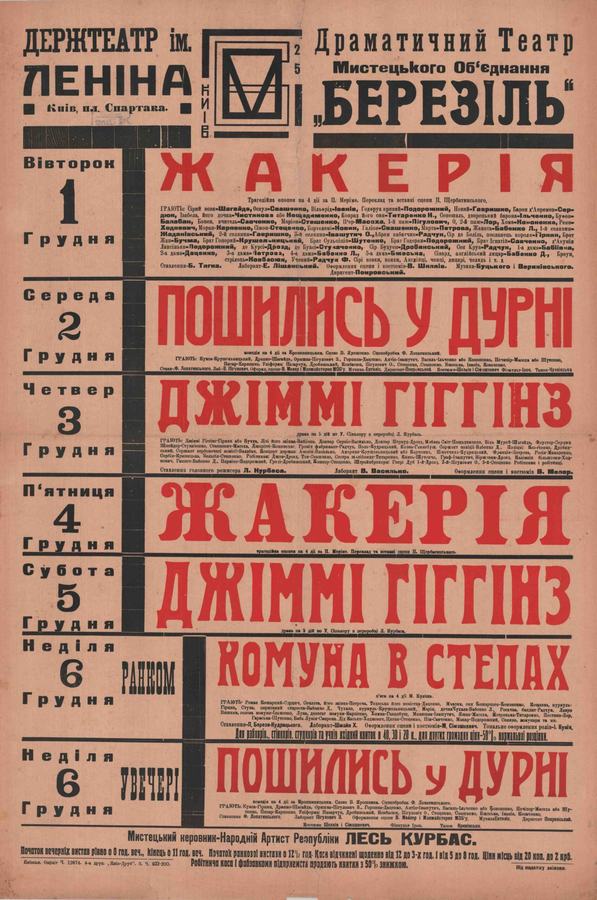
In the pantheon of early 20th-century cinema, few figures loom as large or as tragically as Les Kurbas. His 1923 work, Dzhymmi Hihhins, represents a radical departure from the burgeoning Hollywood tropes of the era, offering instead a visceral, cerebral exploration of class warfare through the lens of a global confla...
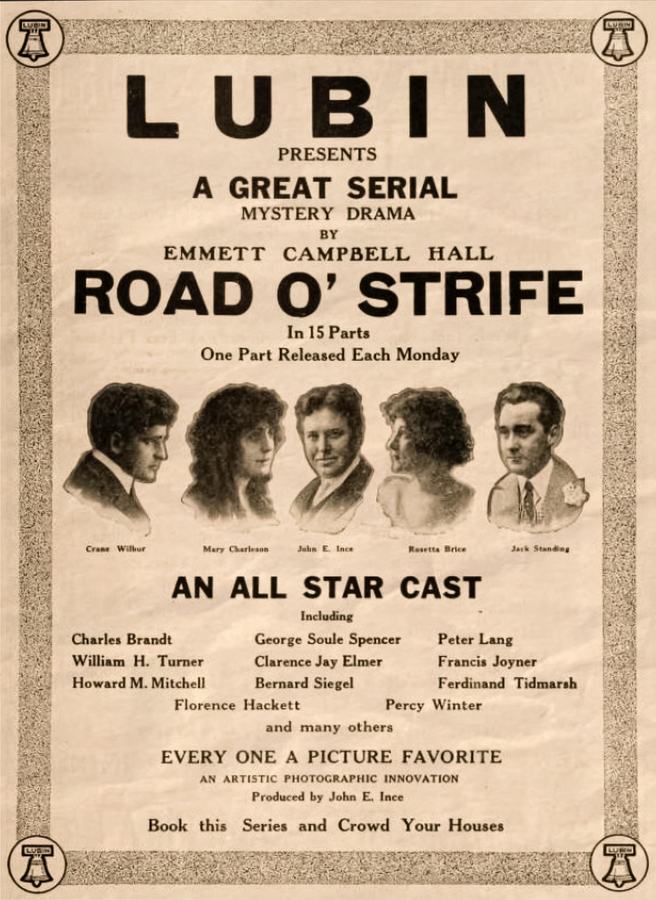
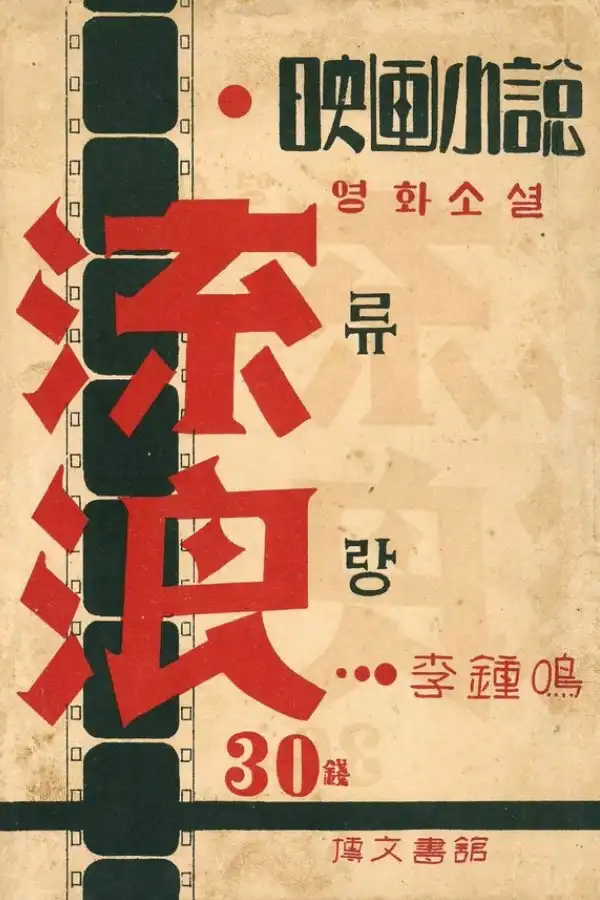
Comparing the cinematic DNA and archive impact of two defining moments in cult history.
Les Kurbas
Edgar Jones
Community
Log in to comment.
" In the pantheon of early 20th-century cinema, few figures loom as large or as tragically as Les Kurbas. His 1923 work, Dzhymmi Hihhins, represents a radical departure from the burgeoning Hollywood tropes of the era, offering instead a visceral, cerebral exploration of class warfare through the lens of a global conflagration. This was not cinema intended for passive consumption; it was a weapon of intellectual provocation, designed to be projected as an integral component of a live theatrical p..."