Summary
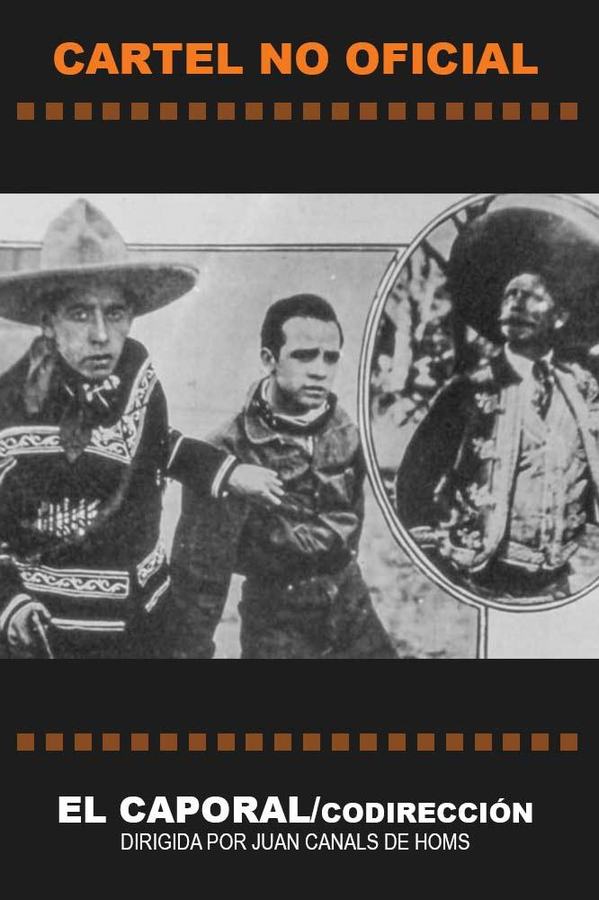
A sun-scorched hacienda breathes under the tyranny of a whip-cracking foreman—El caporal—whose silhouette stains the ochre horizon like a blood-clot. Roberto Y. Palacios incarnates this swaggering enforcer, half–ranch gatekeeper, half–moral abyss, strutting through maguey rows while the landed gentry sip cane-spirit in lace-cuffed indolence. Elizabeth Leyva’s peasant girl, luminous as a votive candle, is promised to the tyrant by debt; her gaze, pooling with mute rebellion, becomes the film’s silent revolution. Miguel Contreras Torres’ patriarch, parchment-skinned yet iron-willed, clings to a ledger that tallons souls into collateral; Irma Domínguez, his neurasthenic wife, drifts through corridors like a ghost auditing her own rot. A midnight fiesta, brassy and carnivalesque, detonates in candlelit oranges and violins soaked in mezcal; here the caporal’s mask slips, revealing the skull beneath the sombrero. When the church bell fractures at dawn—its bronze scream echoing across agave blades—the foreman’s empire of intimidation begins to unravel, thread by bloody thread. Cinematographer Alberto Garay turns every frame into a fresco of chiaroscuro: charcoal shadows swallow faces whole, while sudden blazes of magnesium-white expose sin. Esperanza González, as the knife-dancer, twirls in a skirt of scarlet ruffles, her spinning body a prophecy of insurrection. Children whisper a corrido about a coyote who eats his own paw to escape a trap; the song seeps into the narrative marrow, foreshadowing the caporal’s self-cannibalizing downfall. In the final sequence, the overseer staggers into a field set ablaze by moonlight, smoke braiding itself into the shape of a noose. He kneels, not to repent but to measure the exact weight of a man’s last breath. The screen cuts to ember-red, leaving only the echo of spurs clinking into silence—a sonic scar carved across the audience’s pulse.
Review Excerpt
"
strong{color:#C2410C}em{color:#EAB308}a{color:#0E7490;text-decoration:none;border-bottom:1px dotted #0E7490}a:hover{color:#EAB308;border-color:#EAB308}
Mexican cinema prior to the Golden Age often languishes in archival neglect, yet El caporal detonates that indifference with the visceral force of a machete hacking through sugarcane. Shot on the cusp of synchronized sound, the film opts for a symphonic montage of visual ferocity rather than spoken exposition—an instinct that retroactively feel..."