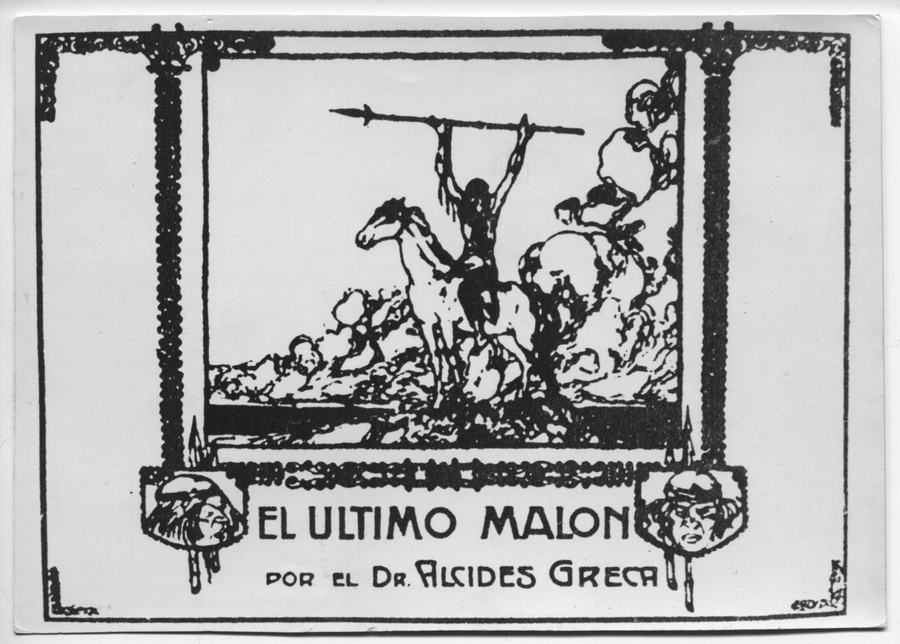
Reconstruction of the last Indian rebellion of Mocovíes in San Javier, north of the province of Santa Fe, in 1904. Silent Movie.
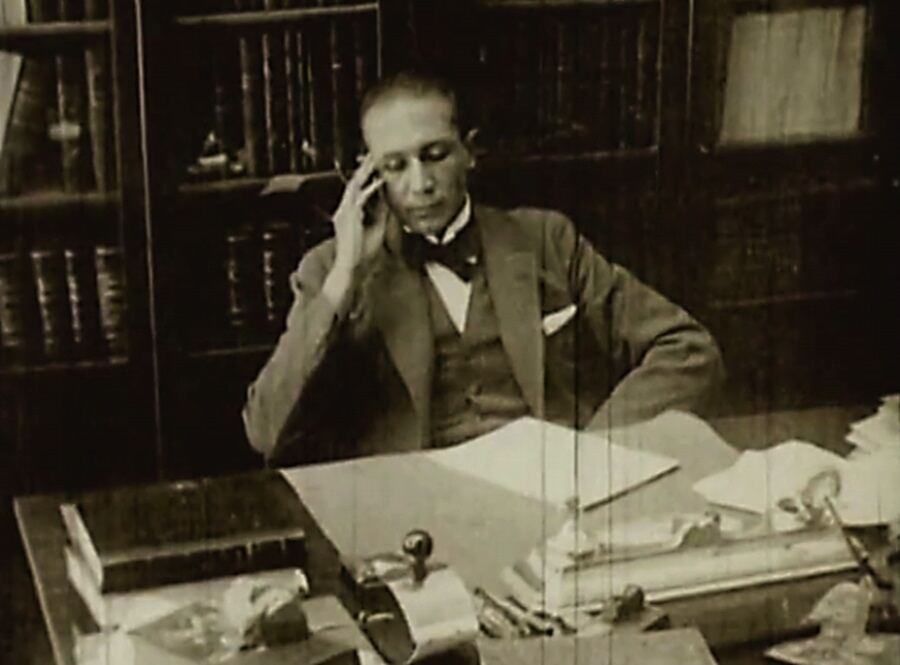
Alcides Greca
Argentina
The first time you encounter El último malón, it feels less like watching a film than like trespassing on a séance. The projector clatters, the aperture flares, and suddenly the humid flatlands of San Javier rise up—an echo chamber where 1904 never really ended. Alcides Greca, a polymath with a newspaperman’s nose for...
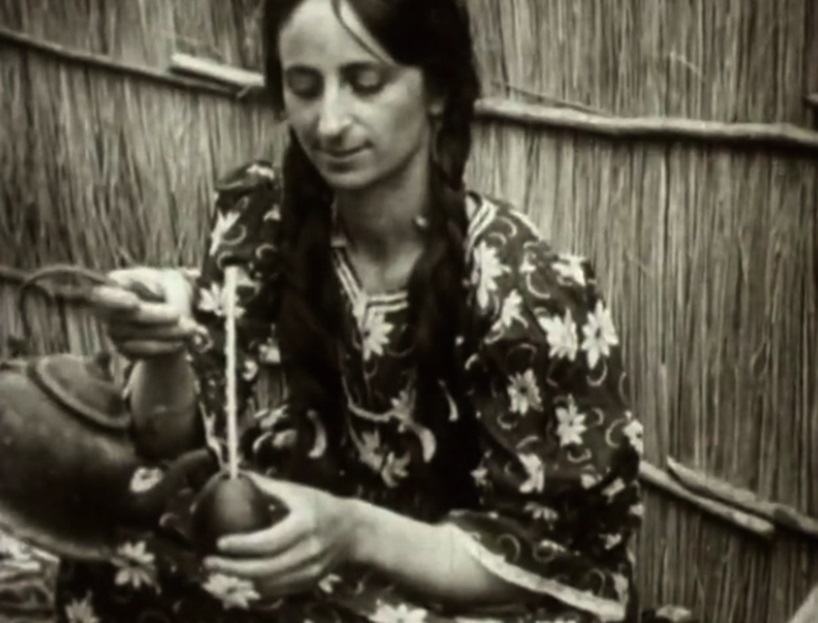
still_frame
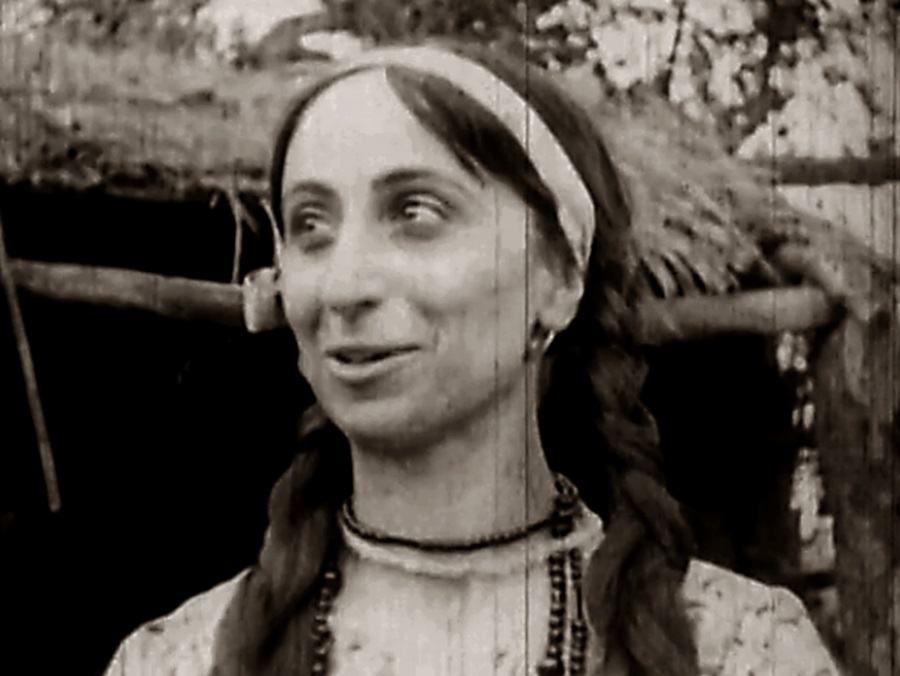
still_frame
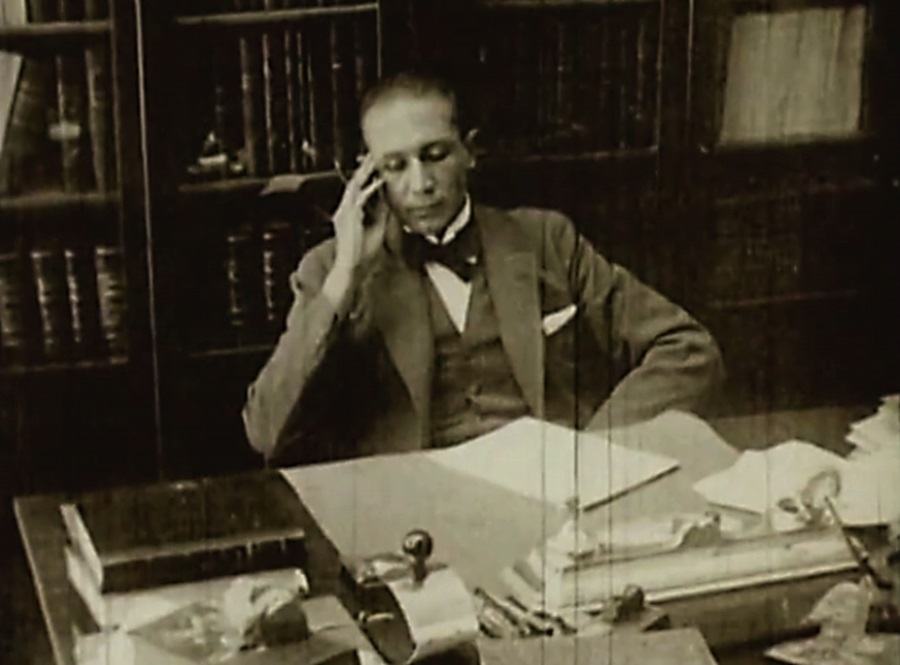
still_frame
Community
Log in to comment.
" The first time you encounter El último malón, it feels less like watching a film than like trespassing on a séance. The projector clatters, the aperture flares, and suddenly the humid flatlands of San Javier rise up—an echo chamber where 1904 never really ended. Alcides Greca, a polymath with a newspaperman’s nose for myth, did not merely restage the last stand of the Mocoví; he distilled it into ghost-light, letting the embers of rebellion flicker across faces that are at once actors, ancestor..."

Deep dive into the cult classic
Discover similar cinematic experiences
A Directorial Spotlight on Alcides Greca
