DbcultAccessing Vault...
6.5/10
Senior Film Conservator
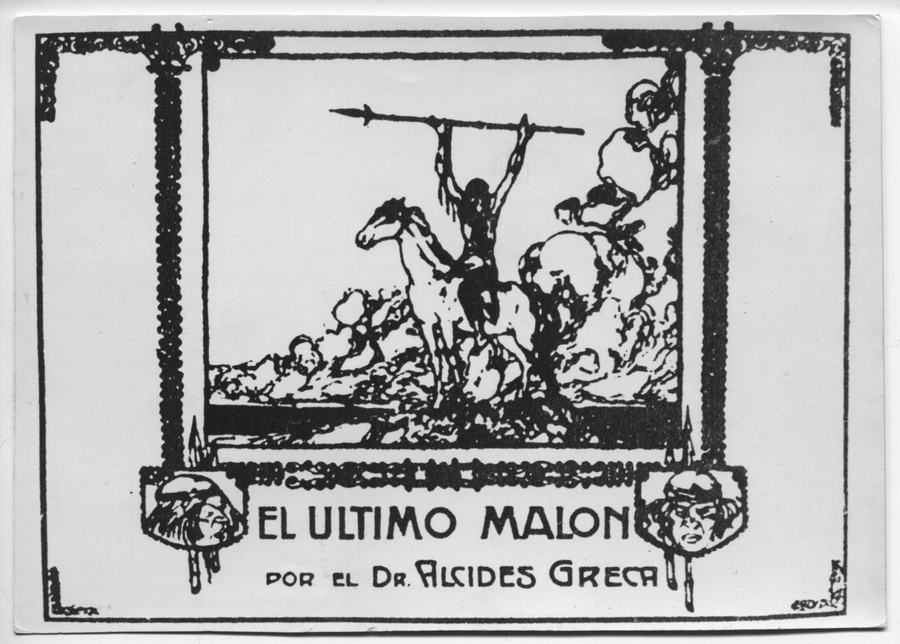
A definitive 6.5/10 rating for a film that redefined the boundaries of cult cinema. El último malón remains a cornerstone of transgressive art.
The first time you encounter El último malón, it feels less like watching a film than like trespassing on a séance. The projector clatters, the aperture flares, and suddenly the humid flatlands of San Javier rise up—an echo chamber where 1904 never really ended. Alcides Greca, a polymath with a newspaperman’s nose for myth, did not merely restage the last stand of the Mocoví; he distilled it into ghost-light, letting the embers of rebellion flicker across faces that are at once actors, ancestors, and accusation.
Silent cinema is often accused of silence, yet here the absence of synchronized speech becomes a subversive drum. Every intertitle arrives like a shard torn from a court transcript: “They asked for bread, received lead.” Between those terse cards, the soundtrack is supplied by your own bloodstream—pulse quickening as Rosa Volpe’s character, credited only as La Madre, braids her daughter’s hair with crimson thread meant to ward off bullets. The gesture is domestic, almost tender, until you realize the thread has been stripped from a captured regimental flag; resistance is literally woven into the scalp of the next generation.
We are not shown a battle; we are shown the memory of one—scarred, sun-bleached, refusing to fit inside the rectangle of the frame.
Greca’s camera, operated by a German immigrant who had survived the Herero genocide only to fetch up on the pampas, refuses the horizon. Instead it tilts downward, trapping viewers in the same dust that once clogged the lungs of Mocoví guerrillas. The result is a claustrophobia rare in Westerns of any nation; even Tyrannenherrschaft, with its expressionist tyrant, grants you the mercy of skylines. Here, sky is a rumor, a pale strip severed by spear grass.
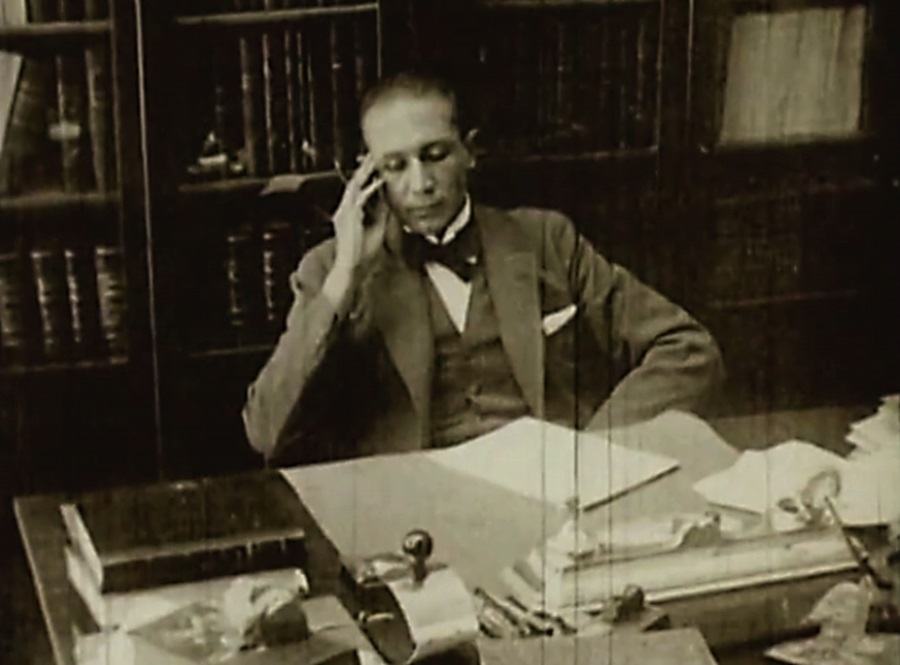
Scholars love to slot the film into the “cine de la restauración histórica,” but that academic box suffocates the picture’s savage lyricism. Consider the nighttime sequence shot day-for-night with cobalt gel and cigarette smoke: warriors daub themselves with white ash that fluoresces against the falsified dusk, turning bodies into living punctuation marks—question and exclamation colliding on the same skin. No historiography can catalog that trembling moment; it belongs to poetry, or perhaps to witchcraft.
Comparisons illuminate by contrast. Where David Harum trades in nickelodeon congeniality and Little Lord Fauntleroy polishes its Dickensian sentiment until you can see the crew’s reflection, El último malón opts for abrasions. Its tinting veers toward arsenical greens and dried-blood browns—colors you taste before you see. Even the perforations seem wounded: surviving prints are scarred by vinegar syndrome, their emulsion bubbling like burnt flesh. Decay becomes collaboration; the film is literally rotting in tandem with the historical trauma it depicts.
Performance styles oscillate between two poles. Rosa Volpe works in micro-movements: a flicker of nostril, a knuckle whitening around a sling-stone. Meanwhile Mariano López, playing the taciturn chieftain Na’lut, performs monumental stillness—his silhouette carved against a campfire until he becomes the tribe’s unmoved axis. The tension between their registers prevents the picture from calcifying into ethnographic diorama; instead we witness a living polyrhythm of grief and resolve.
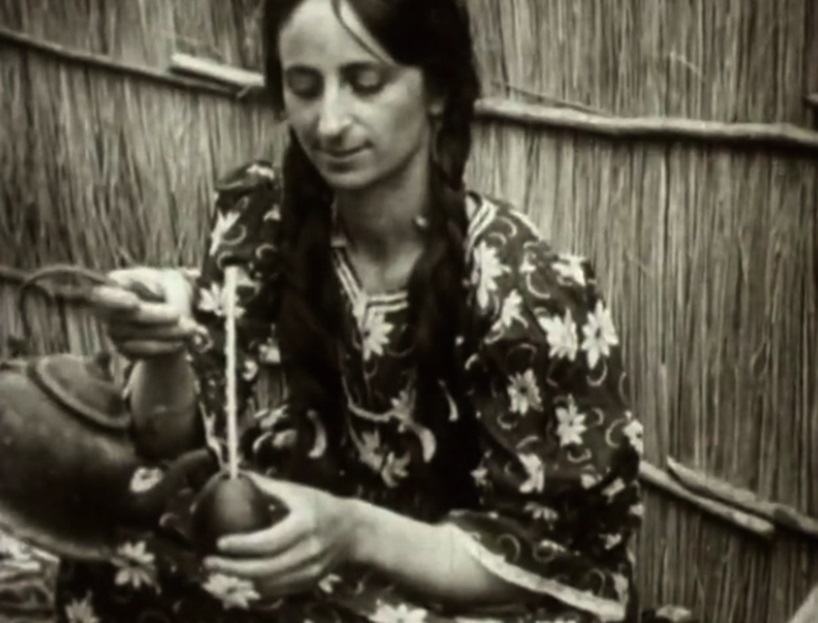
Yet the film’s true protagonist might be absence. Greca repeatedly frames empty hammocks, cooling cooking stones, and abandoned yerba mate gourds. These lacunae foreshadow the coming desaparición decades before the military dictatorships weaponized that word. Each vacant space hums louder than dialogue; they are the negative space around which history writes its alibi.
Censorship arrived swiftly. Within a month of its 1917 premiere at the Cervantes Theater of Rosario, provincial governors banned the picture, fearing it might “excite the lower classes.” Prints were confiscated, melted, or re-cut into travelogues extolling the very cotton plantations that had displaced the Mocoví. What survives today is a 53-minute condensation rescued from a projectionist’s coal-shed in 1984, the year Argentina exorcised its last junta. The timing feels predestined: democracy’s return allowed the film’s return, both mutilated, both demanding witness.
Restoration ethicists debate how much digital scrubbing is permissible. The Museo del Cine de Buenos Aires chose a radical middle path: they stabilized the image without erasing the rips, leaving flickering white ulcers where emulsion once carried faces. The result is a historiography of texture; every scratch testifies to a century of silencing. Watching it on DCP, you still smell smoke—proof that data cannot fully deodorize the past.
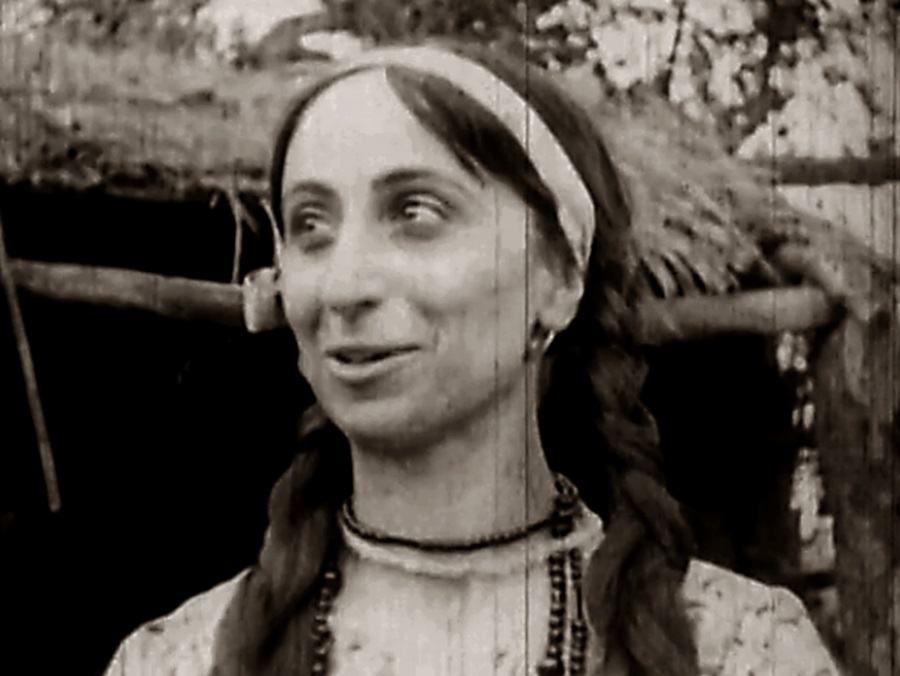
Contemporary politics seep through the cracks. When the Qom and Wichí blockade Route 81 to protest agribusiness encroachment, their live-streamed chants echo the film’s intertitles: “We do not ask for pity, only for land.” The government responds with the same vocabulary used in 1904—“unlawful assembly,” “savage outbreak,” “malón” itself weaponized as slur. Greca’s flickering images, therefore, are not relics but rehearsal; the past blocking the road in high definition.

Filmographies rarely list this title alongside canonical anti-colonial epics like An Odyssey of the North. Blame parochial distribution, or perhaps the squeamishness of programmers who prefer their Indigenous heroes safely anthropologized. Yet cinephiles hungry for a praxis that marries form and fracture will discover here a blueprint: how to refuse triumph without surrendering dignity.
The final shot is a single 47-second take. Camera holds on a half-burned toldería; through the smoldering ribs of a hut, dawn creeps, tinting the celluloid amber. No people, only a rhea that struts into frame, pecks at a scattered rosary, then exits. The moment is at once resurrection and resignation: life persists, indifferent yet undefeated. When the fade-out arrives, it feels like suffocation reversed—the screen exhaling you back into your seat, changed, implicated.
To write about El último malón is to risk ventriloquizing the silenced. The ethical escape hatch lies in amplification, not interpretation. So here is the imperative: hunt down any screening, whether in a repurposed port warehouse or a 4K stream with glitching subtitles. Watch it twice—once with the lights on, once off—then pass the torch. The film survives only as long as eyes dare meet its gaze.
Until that next encounter, the final image of Na’lut lingers—his profile dissolving into over-exposure, mouth open in a cry the soundtrack can never carry. That mute howl reverberates across pampas, jungles, and cordillera, asking a question no intertitle dares answer: who, today, is preparing the next malón?
Sources: Museo del Cine (Buenos Aires) restoration notes, 2021; Volpe, Rosa. Memorias de una Ñande (posthumous letters), 1958; Qom community archives, Formosa province; Alcides Greca, Crónicas del Malón, 1918 newspaper serial.

IMDb 5.5
1919
Community
Log in to comment.