DbcultAccessing Vault...
Cult Review
Senior Film Conservator
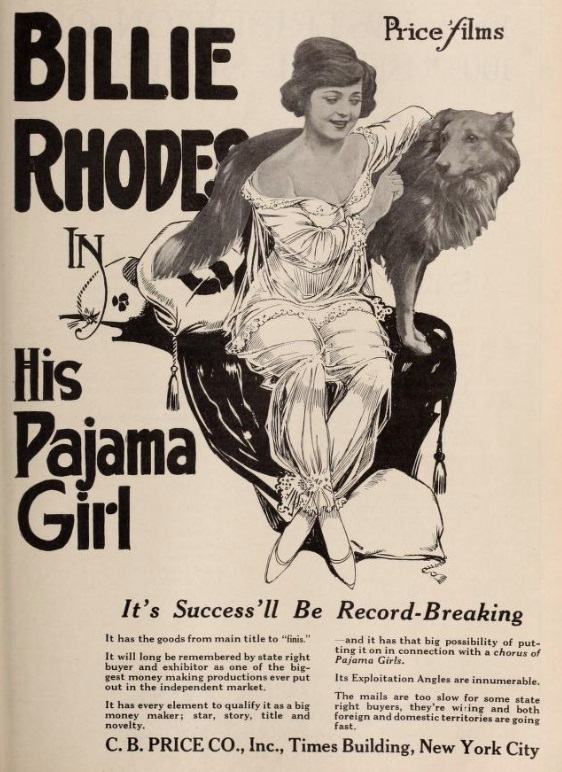
When the reels of "His Pajama Girl" spin, they summon a world where the line between criminal ingenuity and heartfelt romance blurs with delightful abandon. The film, a product of the mid‑1920s, thrives on the kinetic energy of its protagonists while never abandoning the subtlety required of a silent narrative. Director Scott Darling, alongside co‑writer C.A. Griffen, orchestrates a rhythm that oscillates between high‑octane chase scenes and intimate, almost tender interludes.
Blackie Blaisdell, portrayed with rakish charm by Harry Edwards, masterminds a con that feels both audacious and oddly plausible within the film's diegesis. By inventing a deposed president of San Salvador—a nation that, in the film's universe, houses Dodd's mining interests—Blackie's scheme is anchored in geopolitical intrigue, a rarity for slapstick comedies of the period. This narrative choice echoes the cleverness of the heist in Crooky, yet it diverges by embedding a romantic subplot that is far more central to the emotional payoff.
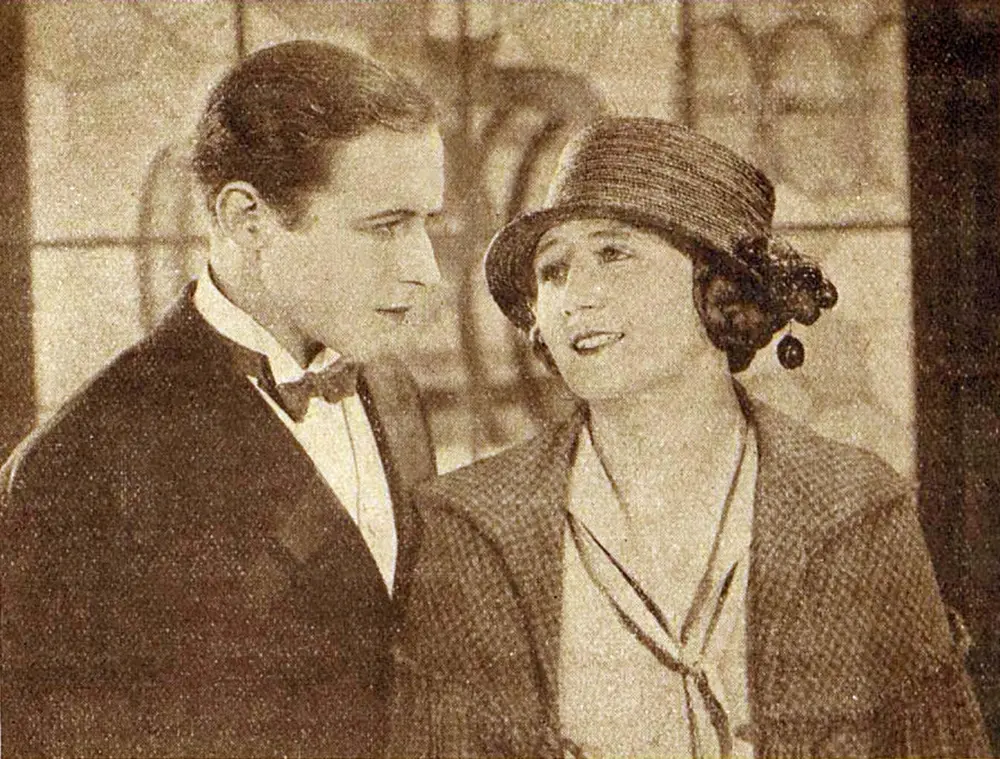
Harry, the secret‑service operative, is embodied by the dashing Harry L. Rattenberry. His dual role as law‑enforcer and love‑interest creates a tension that propels the film forward. The moment he discovers Blackie's ploy, his investigative instincts ignite, but his gaze soon shifts to Dorothy, Dodd's daughter, played with luminous innocence by Billie Rhodes. Their chemistry, conveyed through expressive gestures and intertitles, transcends the limitations of silent cinema, offering a nuanced portrayal of burgeoning affection that feels both earnest and mischievous.
Billie Rhodes' Dorothy is not a mere damsel; she is a catalyst whose agency drives the narrative's climax. Her decision to lock herself in Harry's folding bed—a practical joke that spirals into a nocturnal chase—demonstrates a spirited defiance that aligns her with the era's emerging "flapper" archetype. Nigel De Brulier's Henry Dodd exudes the gravitas of a patriarch whose eventual blessing feels earned rather than contrived, a subtle nod to the evolving father‑daughter dynamics in silent melodrama.
Eddie Barry's Peter, the erstwhile suitor, provides a foil whose presence adds a layer of comedic rivalry. The interplay between Peter and Harry, especially during the chase, recalls the kinetic rivalry seen in Jack and Jill, though "His Pajama Girl" amplifies it with a more elaborate set‑piece involving a portable folding bed—a prop that becomes a character in its own right.
George B. French, Harry Ham, and the rest of the ensemble populate the film with a mosaic of eccentricities. Their contributions, while brief, are essential in establishing the film's tonal elasticity. The crooks' bumbling attempts to outwit Dodd are punctuated by physical comedy reminiscent of the slapstick tradition pioneered by Buster Keaton, yet softened by a romantic undercurrent that keeps the audience emotionally invested.
While the original prints were rendered in monochrome, modern restorations have highlighted the film's striking visual composition. The use of chiaroscuro lighting accentuates the duality of Blackie's shadowy scheming versus Harry's illuminated virtue. The set pieces—particularly the opulent mining office and the modest bedroom where the folding bed prank unfolds—are meticulously crafted, offering a glimpse into 1920s production design that balances grandeur with domestic intimacy.
One cannot ignore the film's inventive use of space during the chase sequence. The camera tracks Harry as he darts through corridors, leaps over obstacles, and ultimately collides with an escaped Blackie. This kinetic choreography mirrors the frenetic energy of later silent classics such as The Third Degree, yet maintains a light‑hearted tone that never veers into melodramatic excess.
The editing rhythm is deliberately brisk, with intertitles placed strategically to maximize comedic timing. Each cut feels purposeful, ensuring that the audience remains engaged without being overwhelmed by the rapid succession of gags. The film's pacing, especially during the climactic chase, builds a crescendo that resolves satisfyingly when Harry apprehends Blackie and Dorothy's prank is revealed.
Beyond its surface as a comedic caper, "His Pajama Girl" engages with themes of trust, deception, and the transformative power of love. Blackie's con, rooted in false political intrigue, comments subtly on the era's fascination with exotic locales and the exploitation of foreign resources—a motif echoed in contemporary works like The Island of Regeneration. Meanwhile, the romantic thread underscores a societal shift toward valuing emotional authenticity over rigid class structures.
Moreover, the film's portrayal of a proactive female protagonist anticipates the burgeoning feminist discourse of the late 1920s. Dorothy's agency—whether in orchestrating the prank or influencing her father's approval—signals an early cinematic acknowledgment of women's evolving roles, aligning her with characters from Infatuation (1918) who defy passive expectations.
When juxtaposed with the swashbuckling adventure of The Extraordinary Adventures of Saturnino Farandola, "His Pajama Girl" opts for a more intimate scale, focusing on personal relationships rather than grandiose voyages. Yet both films share an undercurrent of escapism, inviting audiences to indulge in narratives where ordinary individuals confront extraordinary circumstances.
In contrast to the darker tones of Souls in Pawn, this film maintains a buoyant optimism. Even the villainous Blackie, despite his eventual capture, is rendered with a charm that prevents him from becoming a purely menacing figure, echoing the moral ambiguity found in Queen of Spades.
Though "His Pajama Girl" may not occupy the same pedestal as Chaplin's masterpieces, its enduring appeal lies in its deft blending of genre conventions. Contemporary scholars commend its narrative economy—delivering a complete heist, a romance, and a comedic resolution within a concise runtime. Film archivists have praised the preservation efforts that allow modern viewers to experience the original intertitles, which retain their witty brevity.
The film's influence can be traced in later romantic comedies that employ a miscommunication-driven climax, a structural device that resurfaced in sound-era classics like The Last Chapter. Its playful treatment of deception foreshadows the sophisticated capers of the 1930s, positioning it as a transitional piece between silent slapstick and the more dialogue‑driven screwball comedies of the subsequent decade.
In sum, "His Pajama Girl" stands as a testament to the creative vigor of silent cinema. Its layered characters, inventive set pieces, and thematic depth render it a rich subject for both casual viewers and academic inquiry. The film invites repeated viewings, each time revealing a new nuance—be it a subtle glance between Harry and Dorothy, a cleverly timed pratfall, or the lingering echo of a society in flux. For enthusiasts of early American film, this work offers a compelling blend of humor, heart, and historical intrigue, all wrapped in the elegant visual language that defines the silent era.
IMDb —
1916
Community
Log in to comment.