Tony Sarg, Herbert M. Dawley
United States
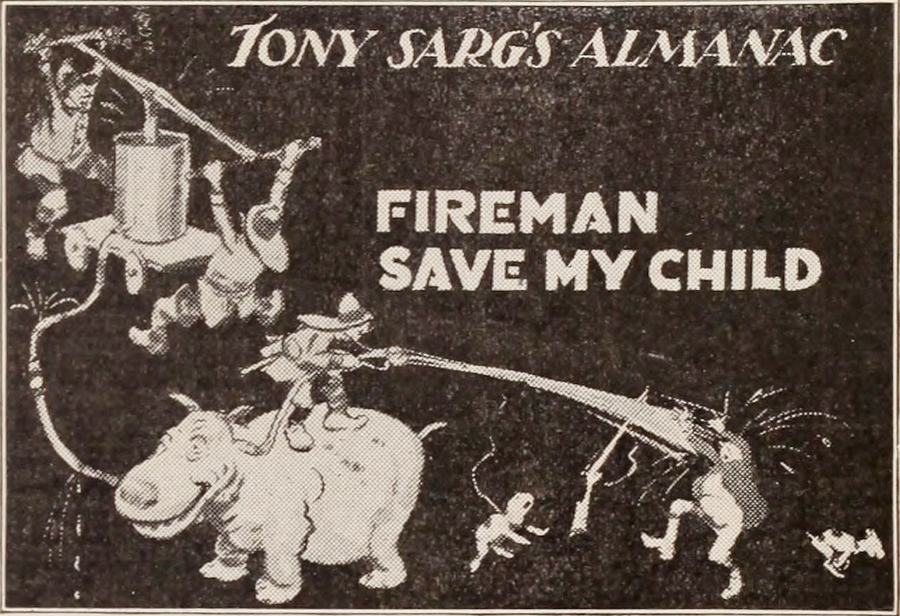
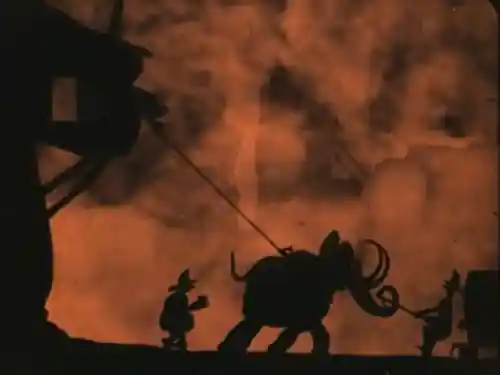
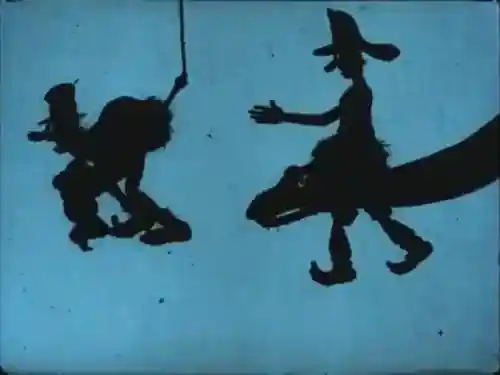
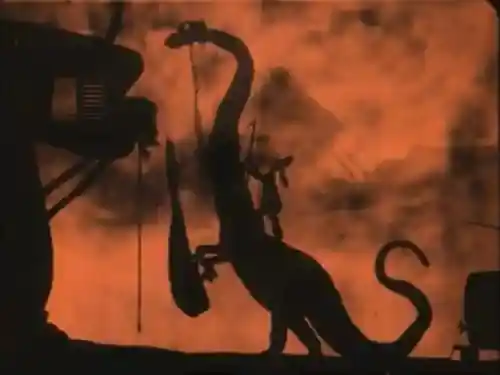
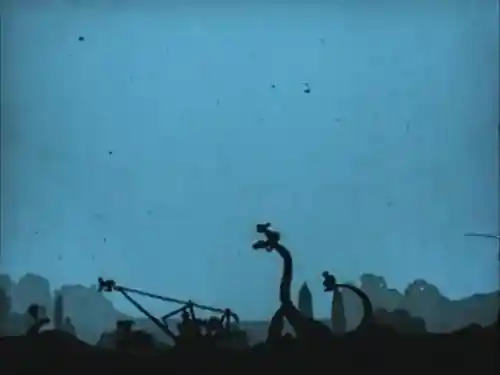
Fireman, Save My Child (1921) is a relic of a forgotten era, where cinema was not merely a medium but a ritual. Directed by the collaborative minds of Tony Sarg, the puppeteer extraordinaire, and Herbert M. Dawley, a writer with a penchant for existential dread, the film is a silent symphony of fire, water, and the ...
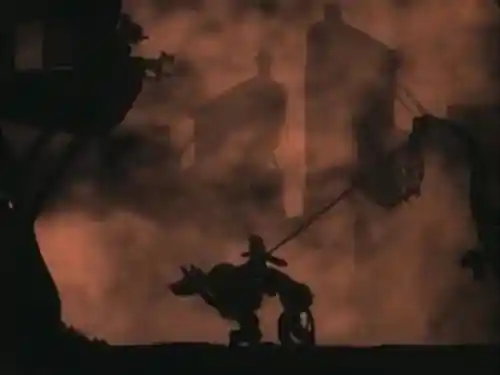
still_frame
still_frame
still_frame
still_frame
still_frame
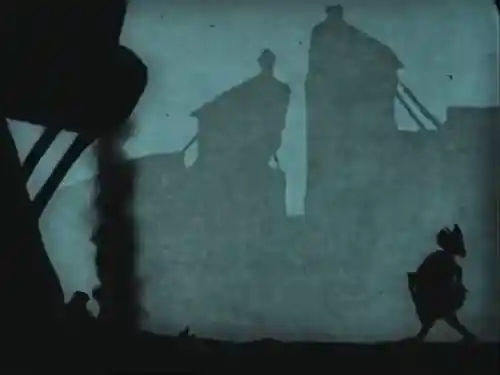
still_frame
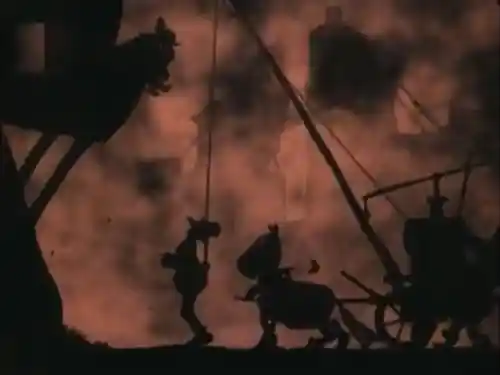
still_frame
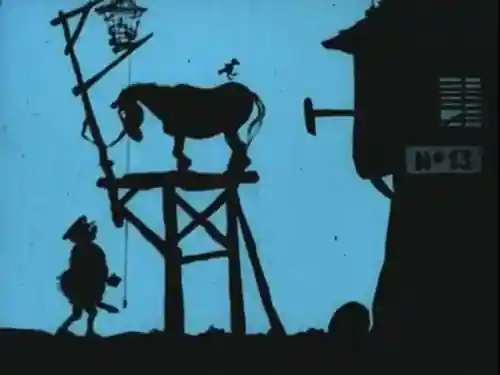
still_frame

Comparing the cinematic DNA and archive impact of two defining moments in cult history.
Unknown Director

Unknown Director
Community
Log in to comment.
" Fireman, Save My Child (1921) is a relic of a forgotten era, where cinema was not merely a medium but a ritual. Directed by the collaborative minds of Tony Sarg, the puppeteer extraordinaire, and Herbert M. Dawley, a writer with a penchant for existential dread, the film is a silent symphony of fire, water, and the human spirit. It is not a film to be watched, but a fire to be felt—consuming, relentless, and transformative. Set against the backdrop of a city choked on soot and ambition, ..."
1910 · IMDb 5.8
Unknown Director