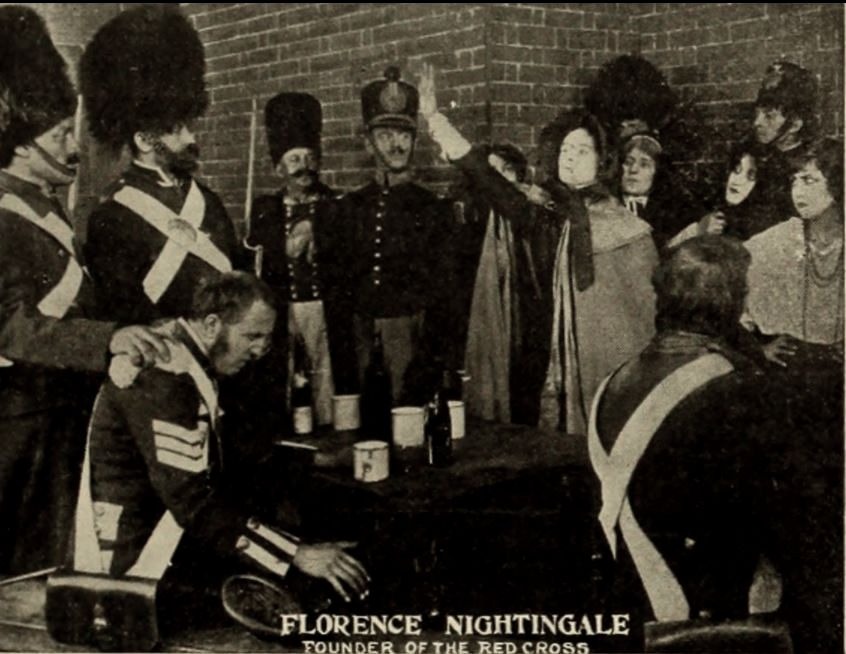
A 1915 British silent historical film about Florence Nightingale, and her innovations in nursing care during the Crimean War..
Eliot Stannard, Edward Tyas Cook
United Kingdom
A whiff of ether and nitrate opens Florence Nightingale (1915) like a broken vial in a museum vault: suddenly the Victorians are twitching alive under the ghostly strobe of a hand-crank. Forget the schoolbook caricature of the demure spin with a lamp; director Maurice Elsey and scenarist Eliot Stannard resurrect a ta...
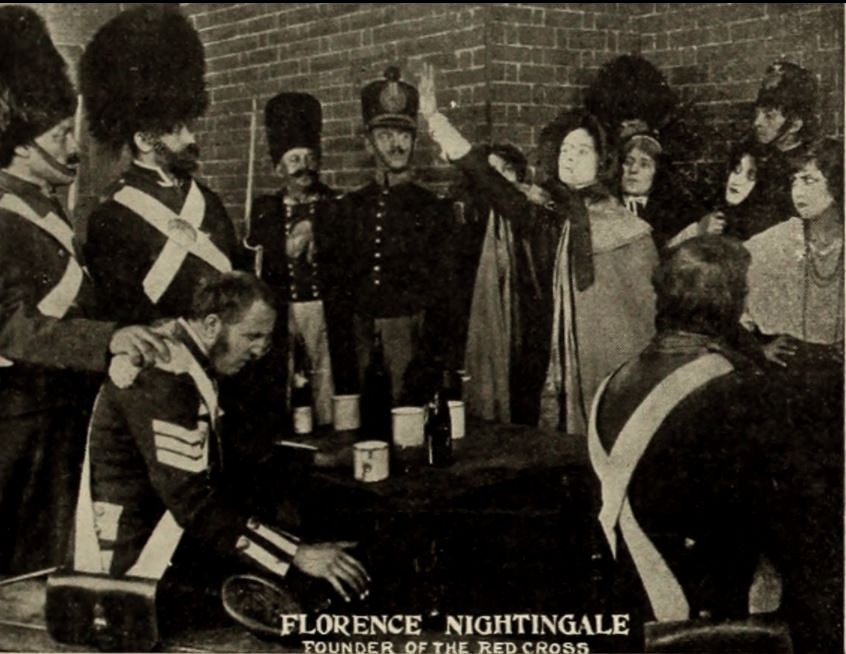
still_frame

Comparing the cinematic DNA and archive impact of two defining moments in cult history.
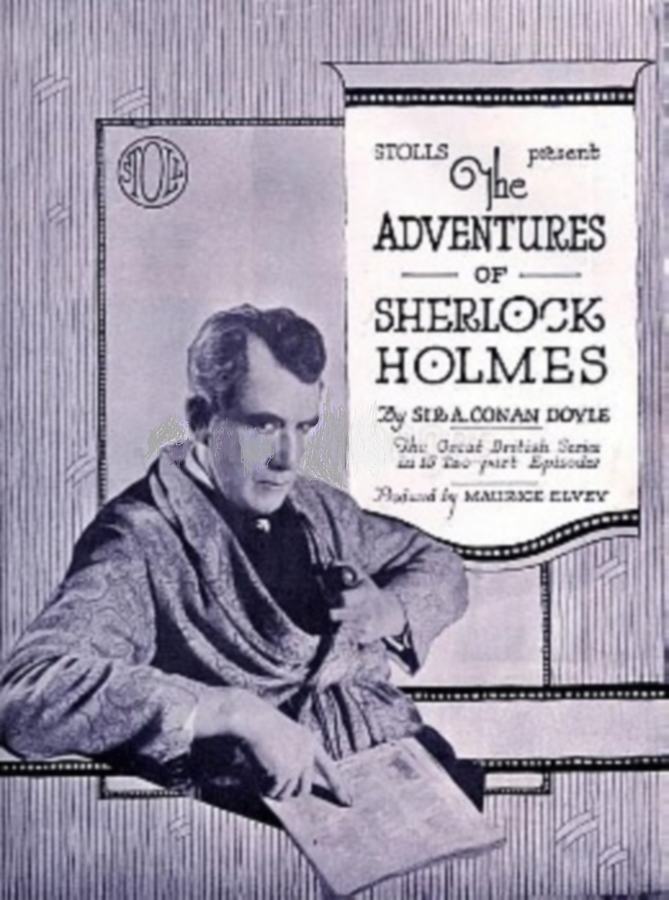
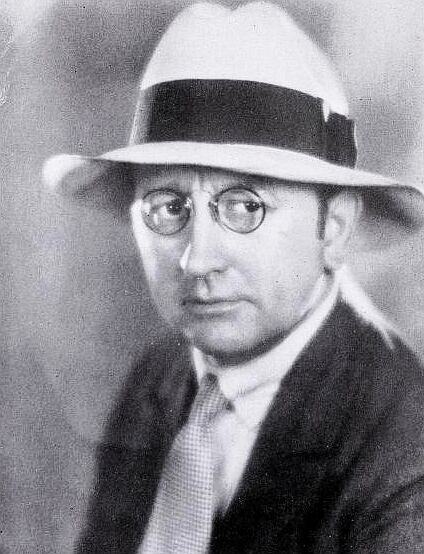
Maurice Elvey
Maurice Elvey
Community
Log in to comment.
" A whiff of ether and nitrate opens Florence Nightingale (1915) like a broken vial in a museum vault: suddenly the Victorians are twitching alive under the ghostly strobe of a hand-crank. Forget the schoolbook caricature of the demure spin with a lamp; director Maurice Elsey and scenarist Eliot Stannard resurrect a tactical genius who weaponised statistics the way admirals wield dreadnoughts. The film’s first movement—an overture of lace-curtained drawing rooms—plays like a séance summoned thro..."