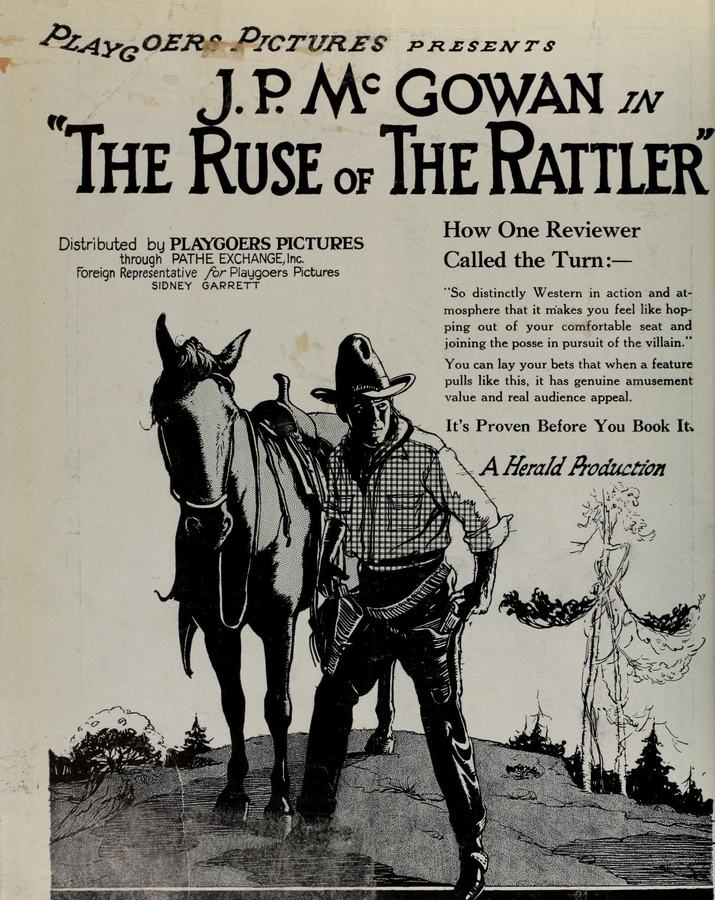
The Ruse of the Rattler
is not merely a Western; it is a psychological chess match draped in cowboy garb. Set against the sun-bleached desolation of the American frontier, Anthony Coldeway’s 1930 film dissects the corrosive nature of greed through its interplay of betrayal and redemption. The narrative, anchored by Stanley Fitz’s brooding portrayal of the title character, unfolds with the precision of a pocket watch—each tick of the plot revealing another gear of moral decay.At its core, the film is a study of power dynamics. Henry Morgan, played with icy calculation by Andrew Waldron, embodies the parasitic financier who preys on the vulnerable. His manipulation of Bud Sanderson’s legal troubles to secure the Sanderson ranch is a masterclass in exploitation, a theme that resonates with the same unease as The Boss’s exploration of corporate greed. Yet where Morgan’s schemes falter—and triumph—is in his underestimation of The Rattler’s evolving conscience.
Jean Perry’s Helen Sanderson is the film’s emotional linchpin. Her arc from loyal daughter to disillusioned schemer is rendered with tragic nuance. When she follows Bud to a gang’s hideout, her actions are driven not by malice but by desperation—a desperation mirrored in The Homesteader’s portrayal of women navigating patriarchal oppression. Perry’s performance is a study in restraint, her quiet determination underscoring the film’s central tension: the clash between survival and ethics.
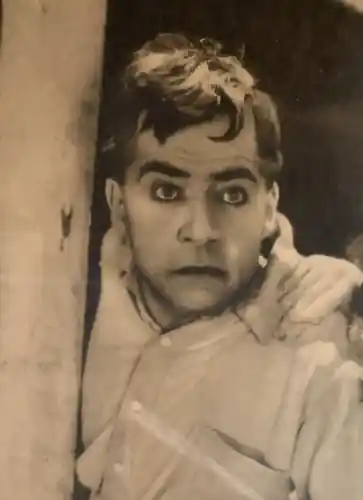
The Rattler’s transformation is the film’s most compelling thread. Initially a tool for Morgan’s machinations, he becomes an agent of chaos when he refuses to evict the Sandersons. His decision to intercept Bud and deliver him to safety is a pivotal moment, rendered in wide shots that emphasize his isolation against the vast landscape. This act of defiance—a stark contrast to the cold pragmatism of Wolf Lowry’s antiheroes—cements The Rattler as a figure of reluctant heroism.
The film’s third act is a masterstroke of narrative tension. Helen’s sale of the ranch to Morgan, based on a misunderstanding of The Rattler’s intentions, becomes a catalyst for the story’s descent into chaos. The delivery of false money—a motif as old as Dickens yet rendered with fresh urgency here—serves as a metaphor for the fragility of trust. When The Rattler pursues her, their entanglement culminates in a train wreck that is as much symbolic as it is literal. The wreckage becomes a stage for Morgan’s redemption and The Rattler’s physical and emotional rebirth.
Coldeway’s direction is marked by a preference for wide, desolate shots that mirror the characters’ internal landscapes. The use of natural light—harsh and unforgiving—contrasts with the softer, golden hues of interior scenes, symbolizing the duality of hope and despair. This visual dichotomy is reminiscent of The Reed Case’s use of chiaroscuro, though here it serves to heighten the film’s thematic austerity.
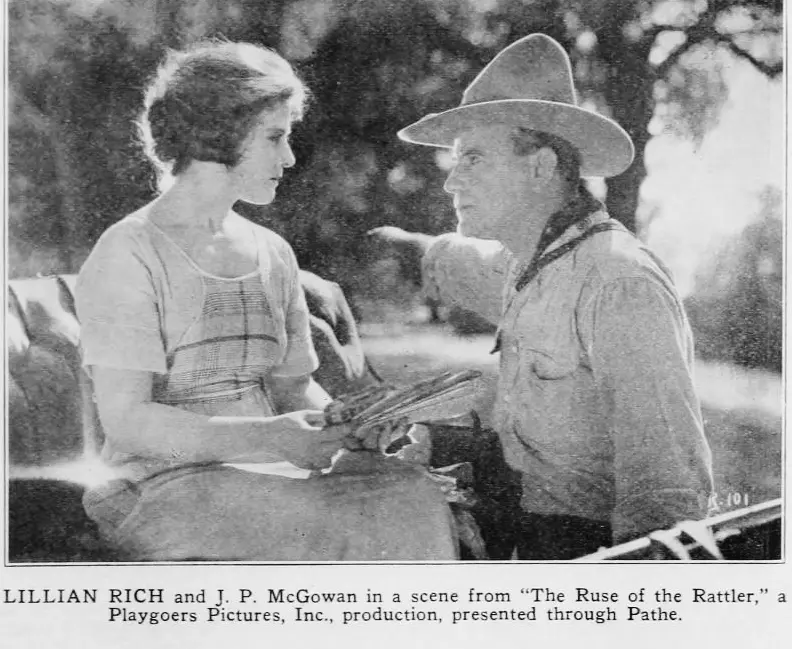
The performances are uniformly stellar. Lillian Rich’s portrayal of a conflicted ranch hand adds layers of complexity to the ensemble, while J.P. McGowan’s supporting role as a conflicted sheriff introduces a subplot that, though underdeveloped, hints at broader societal corruption. The film’s weakest link is its pacing in the second act, where Helen’s pursuit of Bud feels slightly contrived. However, this is forgiven by the sheer emotional payoff of the finale.
Thematically, The Ruse of the Rattler occupies a unique space in the Western canon. It avoids the moral absolutism of early frontier tales, instead presenting a world where virtue is compromised by circumstance. This ambiguity places it in the same league as The Third Kiss, which similarly grapples with the tension between love and duty. The film’s final moments, where Morgan’s dying confession and The Rattler’s recovery are juxtaposed, are a testament to Coldeway’s ability to balance pathos with narrative momentum.
In terms of legacy, the film’s influence is evident in later works that explore the anti-hero’s journey. Its use of misdirection—both narrative and thematic—foreshadows the twist-driven storytelling of The Forbidden Room, though The Ruse of the Rattler remains more grounded in its historical setting. The film’s exploration of economic power—Morgan as a proto-corporate villain—is particularly prescient, offering a critique of capitalism that feels urgent even today.
Visually, the film is a masterclass in economy. The use of the ranch as a recurring symbol—first as a home, then as a prize, finally as a battleground—creates a layered narrative tapestry. The train wreck sequence, though likely shot on a modest budget, is rendered with such visceral intensity that it transcends its limitations. This is where Coldeway’s direction shines brightest, transforming technical constraints into artistic ingenuity.
In conclusion, The Ruse of the Rattler is a film that rewards multiple viewings. Its exploration of greed, justice, and redemption is as relevant now as it was in 1930. While it may lack the epic scale of Pardners, its intimate focus on character psychology elevates it to a higher plane. For cinephiles seeking a Western that challenges as much as it entertains, this film is an essential watch.