Is Fräulein Mama worth your time today? Short answer: Yes, but only if you appreciate the specific rhythmic charm of 1920s German social comedies. This isn't a high-stakes thriller or a heavy-handed expressionist nightmare; it is a light, albeit pointed, look at identity and the performance of motherhood. It is for the...
production_art
Comparing the cinematic DNA and archive impact of two defining moments in cult history.
Géza von Bolváry
Géza von Bolváry
Community
Log in to comment.
"Is Fräulein Mama worth your time today? Short answer: Yes, but only if you appreciate the specific rhythmic charm of 1920s German social comedies. This isn't a high-stakes thriller or a heavy-handed expressionist nightmare; it is a light, albeit pointed, look at identity and the performance of motherhood. It is for the cinephile who enjoys dissecting how the Weimar Republic viewed its women. It is definitely not for anyone who finds the slow-burn pacing of silent cinema to be a chore.This film w..."
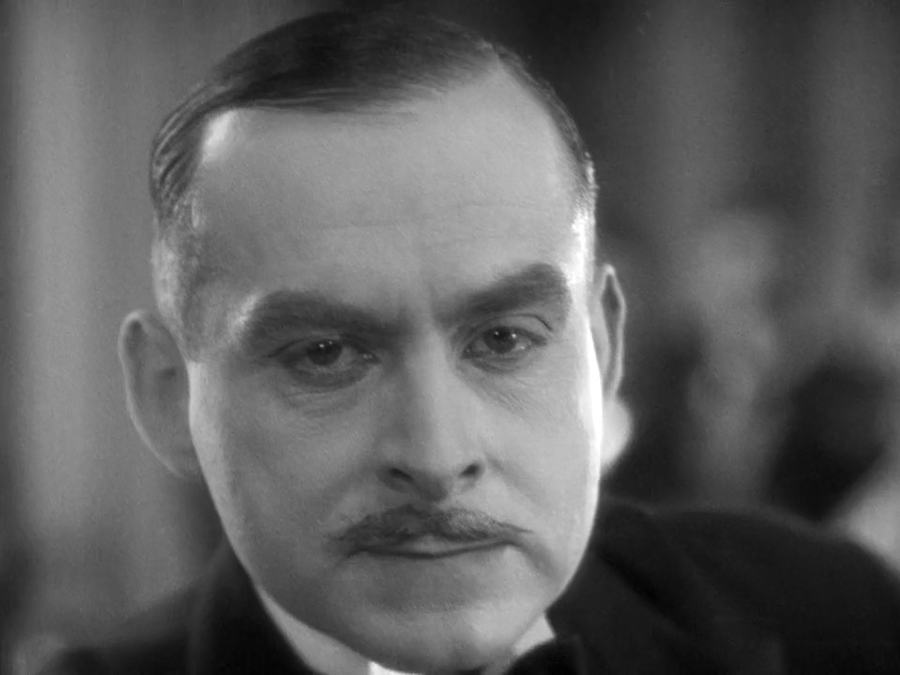
Walter Jerven
Germany