DbcultAccessing Vault...
Cult Review
Senior Film Conservator
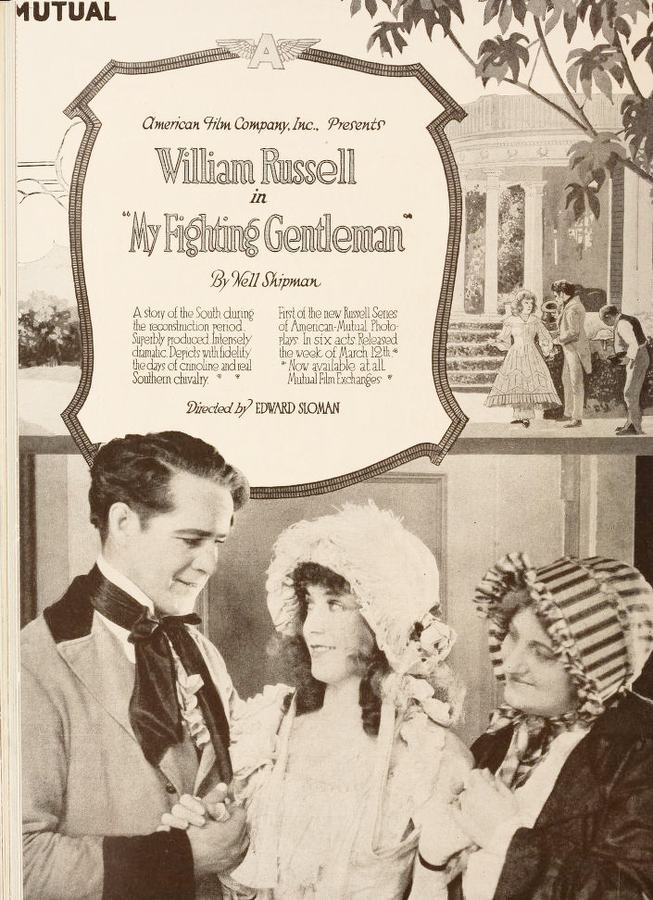
The silent era, often dismissed by casual observers as a mere precursor to sound, was in fact a rich tapestry of cinematic innovation, offering profound insights into the human condition through visual storytelling alone. Among these treasures, 'A Rough Shod Fighter' emerges as a compelling, albeit often overlooked, artifact that grapples with themes of loyalty, betrayal, and the arduous path to redemption in the wake of national trauma. Released at a time when the wounds of the Civil War, though decades old, still resonated deeply within the American psyche, this film dares to explore the uncomfortable territory of a Southerner who chose to fight for the Union, and the subsequent alienation he faces from his own community. It’s a narrative fraught with moral complexity, demanding empathy for a character caught between conviction and communal belonging, and it showcases the potent capabilities of early cinema to tackle weighty subjects with remarkable nuance.
At its core, 'A Rough Shod Fighter' is a character study, a deep dive into the psychological landscape of a man ostracized by the very people he calls his own. Buck Jones, in a role that perhaps foreshadowed his later, more heroic Western persona, embodies this conflicted Southerner with a quiet intensity that speaks volumes without uttering a single word. His performance is a masterclass in silent film acting, relying on subtle gestures, expressive eyes, and a palpable sense of internal struggle to convey the immense burden of his choices. The film doesn't shy away from the harsh realities of his return; he is a pariah, viewed with suspicion and outright hostility. This initial rejection sets a bleak stage, painting a vivid picture of the social fragmentation that persisted long after the cannons fell silent. One cannot help but draw parallels to the isolation experienced by characters in other films dealing with societal judgment, such as the protagonist in Darkest Russia, albeit in a different socio-political context. Both narratives explore the devastating impact of collective prejudice on an individual's sense of self and belonging.
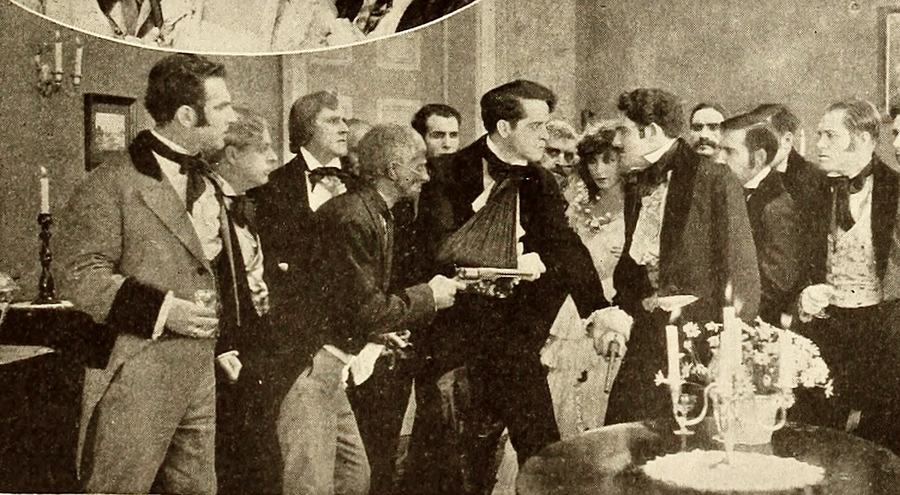
The genius of the screenplay, penned by Nell Shipman and Doris Schroeder, lies in its refusal to offer easy answers or simplistic resolutions. Their narrative arc for Jones's character is one of incremental progress, a slow, arduous chipping away at the walls of animosity. There are no grand, theatrical apologies, no sudden epiphanies that instantly mend fractured relationships. Instead, it’s through consistent acts of quiet fortitude, selflessness, and a steadfast commitment to the well-being of his community – even when that community actively shuns him – that he begins to earn back a modicum of respect. This nuanced approach to reconciliation is what elevates 'A Rough Shod Fighter' beyond a mere historical drama into a timeless exploration of human resilience and the power of sustained moral integrity. The writers understood that true forgiveness, particularly on a communal scale, is a process, not an event.
While Jones anchors the film, the ensemble cast surrounding him plays a crucial role in painting the full picture of a divided community. Francelia Billington, often remembered for her work in numerous early features, brings a poignant vulnerability to her role, likely representing a glimmer of understanding or perhaps a conflicted conscience within the community. Her interactions with Jones are subtle, laden with unspoken emotions that hint at a deeper, more complicated history than initially meets the eye. William A. Carroll and Charles Newton embody the various facets of communal resistance and eventual grudging acceptance, their performances providing the necessary friction against which Jones's character must constantly push. The varied reactions of these townsfolk – from outright hostility to cautious observation – are essential; they transform the 'community' from an abstract concept into a living, breathing entity with its own prejudices, fears, and ultimately, capacity for change.
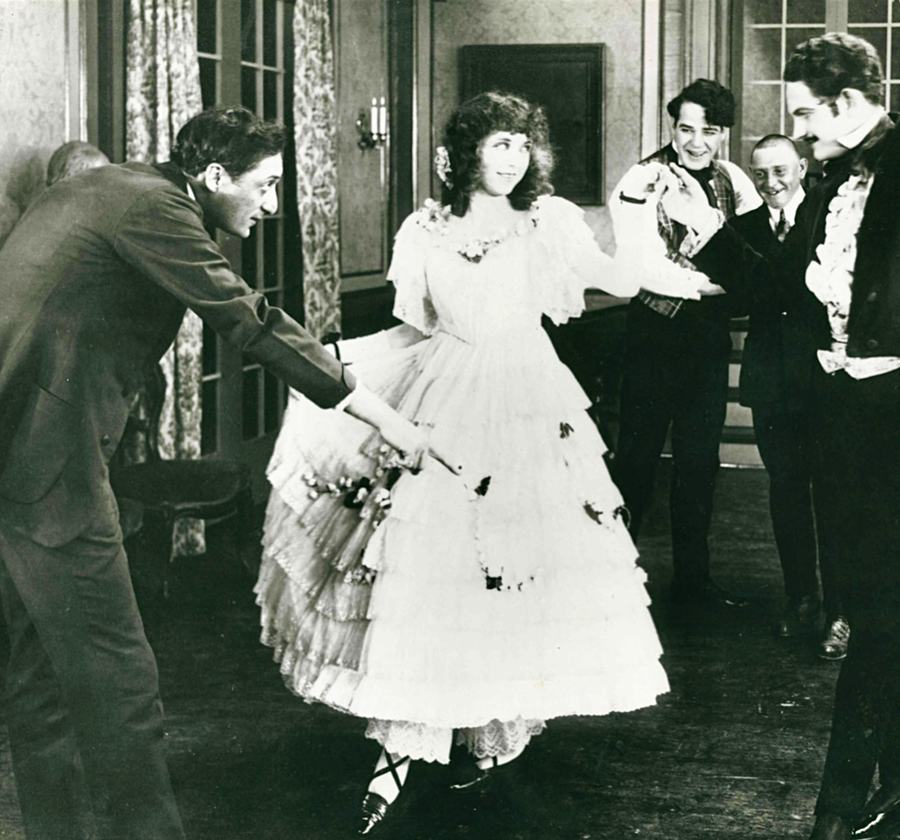
Even smaller roles, such as those played by John Vosper, Sidney Algier, Harry von Meter, Lucille Ward, and William Russell, contribute significantly to the film’s rich texture. Each face, each reaction, adds another brushstroke to the canvas of a post-war society struggling to redefine itself. Clarence Burton, often cast in roles of authority or opposition, likely provides a formidable presence that further underscores the protagonist's uphill battle. The strength of 'A Rough Shod Fighter' lies not just in its central performance but in the collective portrayal of a society grappling with its own internal divisions. The film effectively uses these supporting characters to illustrate the pervasive nature of suspicion and how deeply ingrained societal norms can be, echoing the challenges faced by unconventional individuals in films like The Social Secretary, where societal expectations dictate a character's acceptance.
The directorial choices, while uncredited in some historical records, are evident in the film’s efficient storytelling and evocative cinematography. The landscapes, presumably Southern, are utilized not merely as backdrops but as extensions of the characters' internal states. Wide shots of isolated figures against vast, often barren, scenery underscore the protagonist's loneliness, while tighter frames in communal settings emphasize the claustrophobia of social judgment. The visual language of silent film, with its reliance on tableau, expressive intertitles, and carefully choreographed physical action, is employed here with considerable skill. The absence of dialogue forces the audience to pay closer attention to facial expressions, body language, and symbolic imagery, creating a more immersive and emotionally resonant experience. This visual poetry is a hallmark of the era, and 'A Rough Shod Fighter' serves as a fine example of how compelling narratives could be crafted without the aid of spoken words. The film's ability to convey complex emotional states through purely visual means is a testament to the sophistication of early cinematic techniques, much like the intricate storytelling found in mysteries like The Moonstone or The Circular Staircase, where atmosphere and visual cues are paramount to building suspense and narrative depth.
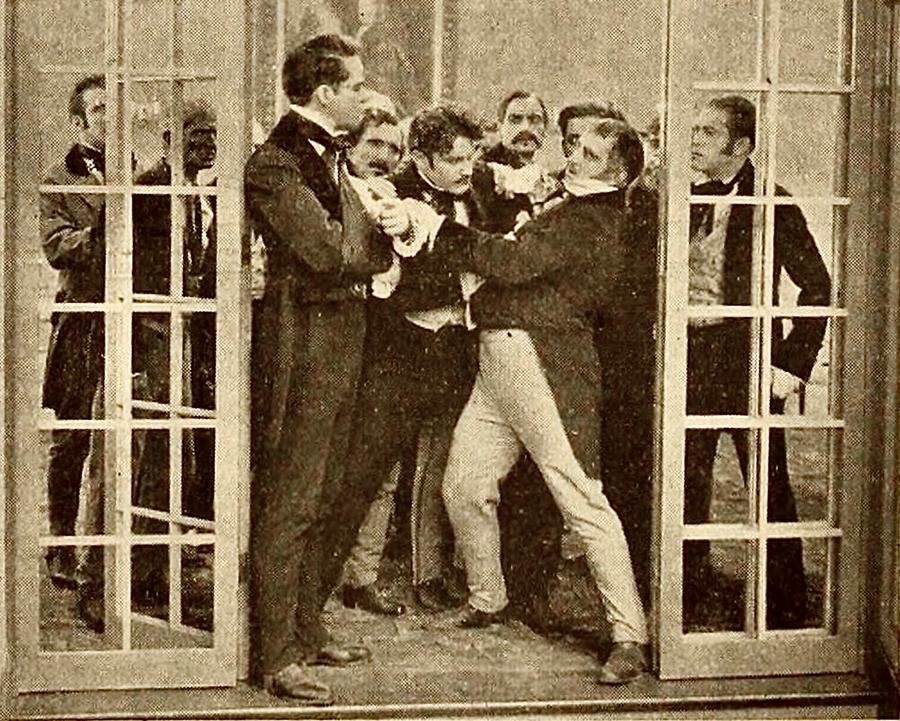
The narrative pacing, a crucial element in silent film, is handled deftly. There are moments of quiet contemplation, allowing the audience to absorb the weight of the protagonist's predicament, interspersed with sequences of action or dramatic confrontation that propel the plot forward. The film understands the rhythm of human emotion, allowing for a gradual build-up of tension and a slow, satisfying release as the community begins its tentative steps toward acceptance. This measured approach prevents the story from feeling rushed or artificial, reinforcing the idea that profound change requires time and persistent effort. It’s a delicate balance to strike, keeping an audience engaged without the benefit of auditory cues, and the filmmakers largely succeed in maintaining a compelling flow throughout.
What makes 'A Rough Shod Fighter' resonate even today is its exploration of themes that transcend its specific historical setting. The idea of a 'rough shod fighter' — someone perhaps unrefined, but possessing an unbreakable spirit and moral compass — is universally appealing. The struggle for acceptance, the burden of past choices, and the long, difficult road to reconciliation are experiences that find echoes in countless human narratives across different eras and cultures. In a world often fractured by political and social divides, the film's message of overcoming animosity through consistent, principled action remains profoundly relevant. It prompts us to consider what it truly means to forgive, both on an individual and collective level, and how trust, once shattered, can be painstakingly rebuilt. The film serves as a reminder that even in the most entrenched conflicts, the possibility of healing and reintegration, however challenging, always exists.
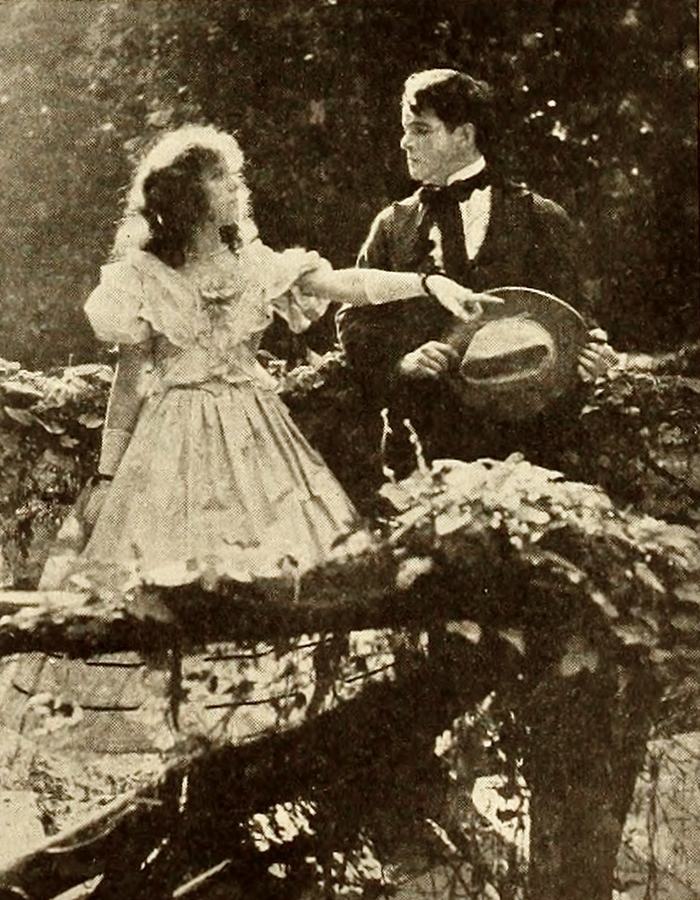
The film’s portrayal of the lingering animosity following the Civil War offers a valuable historical lens, reminding us that the end of hostilities on the battlefield did not instantly translate to peace in the hearts and minds of the populace. The Reconstruction era was a complex and often painful period, marked by deep-seated resentments and societal upheaval. 'A Rough Shod Fighter' captures a sliver of this emotional landscape, giving a human face to the abstract concepts of sectionalism and national healing. It’s a testament to the power of cinema to illuminate historical truths and foster a deeper understanding of the forces that shape human societies. The challenges faced by the protagonist resonate with broader themes of societal judgment seen in films like Sins of Great Cities, where individuals grapple with the consequences of their actions within a rigid social framework.
In a cinematic landscape increasingly dominated by spectacle and rapid-fire dialogue, revisiting a film like 'A Rough Shod Fighter' offers a refreshing reminder of the enduring power of silent storytelling. It invites us to engage with cinema on a different level, demanding active participation from the viewer to interpret subtle cues and unspoken emotions. The performances, particularly that of Buck Jones, are a masterclass in non-verbal communication, demonstrating how much can be conveyed through the nuance of a glance or the weight of a posture. The film’s narrative, crafted by Nell Shipman and Doris Schroeder, is tight and purposeful, avoiding unnecessary digressions and focusing squarely on the emotional journey of its protagonist. Their collaboration undoubtedly infused the story with a keen understanding of human psychology and the dynamics of community, making the struggle for acceptance feel deeply authentic.
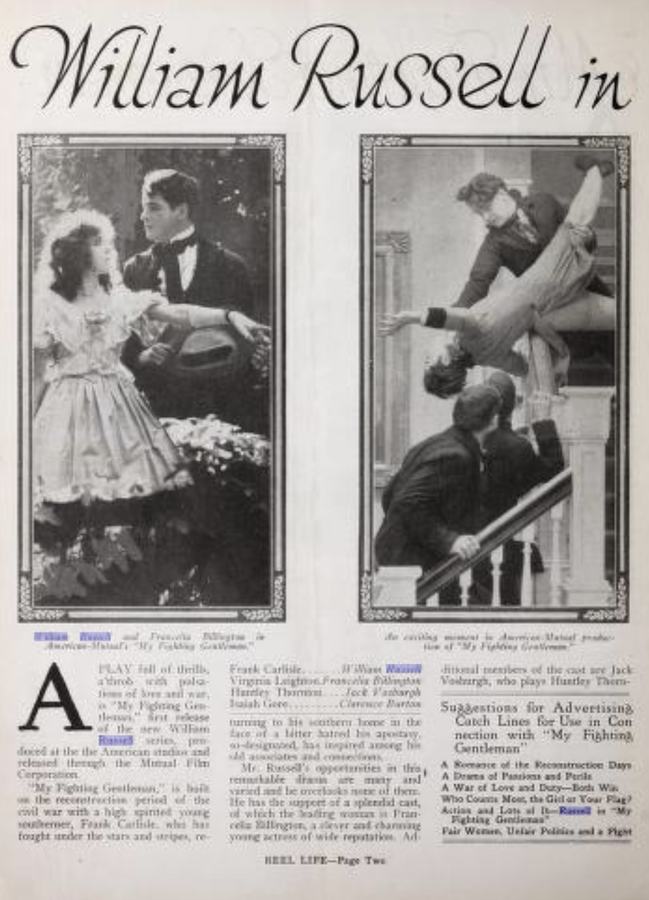
This film, while perhaps not as widely celebrated as some of its contemporaries, deserves a place in the conversation about important early American cinema. Its unflinching look at post-war trauma, its empathetic portrayal of a character caught between conflicting loyalties, and its ultimately hopeful message of reconciliation make it a work of considerable merit. For those interested in the evolution of cinematic narrative, the art of silent acting, or the enduring human struggle for belonging, 'A Rough Shod Fighter' offers a rich and rewarding experience. It reminds us that sometimes, the most profound stories are told not with a roar, but with a quiet, persistent strength, much like the 'rough shod fighter' himself. Its themes of social reintegration and overcoming adversity align with the spirit found in films like The Bargain, where characters must confront their pasts to forge new futures. The film's nuanced portrayal of communal healing also finds a thematic cousin in the more lighthearted, yet equally community-focused, narratives of films like Bawbs O' Blue Ridge, where local dynamics are central to the plot, albeit with different stakes.
In its quiet dignity and powerful emotional resonance, 'A Rough Shod Fighter' stands as a testament to the human capacity for endurance and the slow, often painful, process of healing. It’s a film that speaks not just to a specific historical moment but to the universal yearning for acceptance and the profound impact of unwavering moral conviction. Its rediscovery is not merely an academic exercise but an opportunity to connect with a timeless narrative that continues to offer valuable lessons on empathy, forgiveness, and the enduring strength of the human spirit. The film's exploration of individual struggle against collective judgment echoes the solitary paths taken by characters in narratives like Doc or even the more allegorical The Raven, where a character's internal world is pitted against external pressures. The writers, Nell Shipman and Doris Schroeder, truly crafted a narrative that, despite its specific historical context, speaks to the universal human experience of seeking acceptance and belonging.
IMDb —
1926
Community
Log in to comment.