DbcultAccessing Vault...
6.3/10
Senior Film Conservator
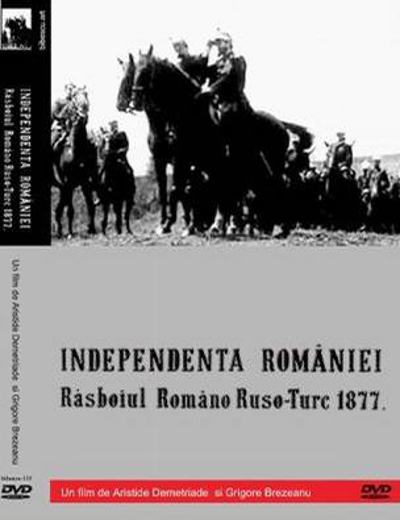
A definitive 6.3/10 rating for a film that redefined the boundaries of cult cinema. The Independence of Romania remains a cornerstone of transgressive art.
To embark upon a cinematic journey through "The Independence of Romania" is to witness more than just a historical reenactment; it is to confront the very genesis of a modern state, painstakingly etched onto the silver screen. This monumental work, often overshadowed by its contemporaries from more established cinematic traditions, stands as a foundational pillar of Romanian film, a testament to an era when the moving image was still finding its voice as a medium for grand historical narratives. The year 1877-1878 represents a crucible for the Romanian people, a period of profound sacrifice and unwavering resolve, and this film endeavors to capture that seismic shift with an earnestness that transcends mere documentation. It is a bold undertaking, not just in its scope, but in its ambition to immortalize a nation's defining struggle against the formidable might of the Ottoman Empire, a struggle that irrevocably altered the geopolitical landscape of Southeastern Europe.
The film plunges headlong into the complexities of the Romanian War of Independence, a conflict inextricably linked with the larger Russo-Turkish War. What sets this cinematic endeavor apart is its commitment to portraying the multifaceted nature of this struggle. It doesn't shy away from the intricate diplomatic dance, the precarious alliances, or the internal political machinations that preceded the declaration of independence. Viewers are afforded glimpses into the strategic considerations of Prince Carol I, whose leadership was instrumental, and the debates within the nascent Romanian parliament, where the weight of history pressed heavily upon every decision. The narrative meticulously unfolds, from the initial stirrings of rebellion and the fervent calls for self-determination to the grim realities of military engagement. The sheer scale of the production, especially considering the nascent state of filmmaking at the time, is awe-inspiring, attempting to convey the vast movements of armies and the brutal intimacy of trench warfare.
Unlike some early historical epics that might lean heavily into mythological grandeur or simplistic heroism, "The Independence of Romania" strives for a degree of verisimilitude. While inevitably constrained by the technology and narrative conventions of its era, there's a palpable effort to convey the human element amidst the grand sweep of history. The writers, Grigore Brezeanu, Aristide Demetriade, and Petre Liciu, evidently approached their task with a deep reverence for the source material, crafting a script that aimed to educate as much as it aimed to entertain. This dual purpose is a hallmark of many early national epics, much like Krunisanje Kralja Petra I Karadjordjevica, which similarly sought to immortalize a pivotal moment in Serbian history. Such films were not merely entertainment; they were instruments of national identity, designed to solidify collective memory and foster patriotic sentiment. The deliberate pacing, a characteristic of early cinema, allowed for a more contemplative engagement with the historical gravitas, rather than a frantic pursuit of action. Each tableau, each carefully composed shot, was intended to contribute to a larger mosaic of national remembrance.
The collective genius of Grigore Brezeanu, Aristide Demetriade, and Petre Liciu is evident in the film's ambitious scope and meticulous detail. Brezeanu, often credited as the driving force, alongside the directorial vision of Demetriade, brought a theatrical sensibility to the cinematic canvas. Their collaboration was crucial in translating the broad strokes of historical events into compelling visual sequences. One can discern the influence of stagecraft in the deliberate blocking of scenes and the dramatic emphasis on key moments, a common characteristic of early cinema where many practitioners hailed from the theatre. This foundation allowed them to manage large ensembles and complex battle sequences with a surprisingly coherent vision, despite the inherent limitations of early film production. The narrative structure, while linear, often pauses to highlight significant speeches or strategic discussions, underscoring the intellectual and political dimensions of the conflict.
Aristide Demetriade, beyond his writing contribution, also takes on a significant acting role, embodying a central figure with gravitas and conviction. This dual role of writer-performer speaks to the pioneering spirit of early filmmakers, where individuals often wore multiple hats out of necessity and passion. His understanding of the narrative from both sides of the camera likely contributed to the seamless integration of performance and storytelling. The sheer audacity of attempting such a sprawling historical narrative in an era when cinema was still in its infancy cannot be overstated. It required not only artistic vision but immense logistical ingenuity, comparable in spirit to the pioneering efforts seen in films like The Story of the Kelly Gang, which also sought to capture a defining national legend on an epic scale with nascent technology. The meticulous planning involved in recreating battlefields and managing hundreds of extras speaks volumes about the dedication and foresight of these early cinematic pioneers.
The performances within "The Independence of Romania" are delivered with a theatrical flourish characteristic of the period, yet they manage to convey a profound sense of purpose. Aristide Demetriade, a formidable presence, commands the screen, imbuing his character with a sense of resolute leadership and the heavy burden of responsibility. His portrayal is not merely a recitation of lines but an embodiment of national aspiration, a figure around whom the dramatic tension coalesces. Constanta Demetriade, while perhaps in a role less overtly central to the battlefield, brings a necessary emotional depth, representing the civilian perspective or the domestic impact of such a monumental conflict. Her presence often grounds the grand historical narrative in a relatable human experience, reminding the audience of the personal stakes involved, the quiet anxieties that permeate homes far from the front lines.
Constantin Nottara, another luminary of the Romanian stage and screen, lends his considerable talent to the ensemble, delivering a performance that likely added significant weight and authenticity to the historical figures he portrayed. The gravitas he brings is palpable, contributing to the film's overall serious tone, especially in scenes depicting high-level strategy or political discourse. Pepi Machauer, alongside the others, completes a quartet of performers who, through their earnest efforts, elevate the historical account beyond simple reenactment. Their collective commitment to their roles, even within the stylistic confines of early cinema acting, ensures that the film resonates with an emotional truth. These actors, many of whom were pillars of the burgeoning Romanian theatre scene, brought a level of professionalism and dramatic intensity that was essential for a film of this magnitude, much like the ensemble efforts seen in other early multi-part narratives such as Life and Passion of Christ or The Life and Passion of Jesus Christ, where the collective portrayal of significant figures was paramount to conveying the epic scope of their stories.
The technical achievements of "The Independence of Romania" must be viewed through the prism of its time. Filmed in the early 20th century, long before the advent of sophisticated special effects or advanced camera techniques, the filmmakers relied on practical effects, elaborate sets, and hundreds of extras to convey the scale of battle. The depiction of trench warfare, while perhaps rudimentary by modern standards, would have been groundbreaking for its period, immersing audiences in the grim realities of conflict. The camera, often static, serves as an observational eye, allowing the grand tableaux of marching armies and skirmishes to unfold within the frame. The sheer logistical challenge of coordinating such large-scale scenes, reminiscent of the early attempts at grand spectacle in films like Defense of Sevastopol, speaks volumes about the dedication of the production team. The painstaking recreation of uniforms, weaponry, and battlefield environments demonstrates a profound commitment to historical accuracy, a quality that elevates the film beyond mere dramatic interpretation.
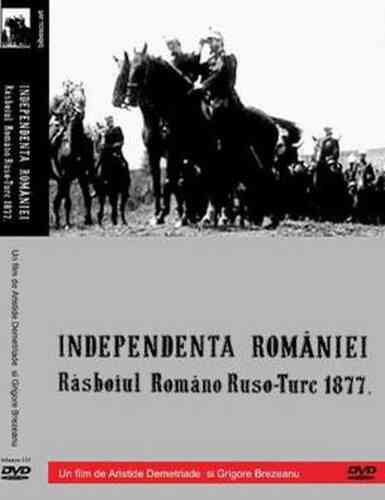
One can only imagine the impact these images would have had on contemporary audiences, many of whom would have lived through or heard first-hand accounts of the very events being depicted. The film served not just as entertainment, but as a living history lesson, a visual commemoration. The use of natural light, the somewhat static framing, and the lack of complex editing techniques are all characteristic of early silent cinema, yet within these constraints, the filmmakers managed to evoke a powerful sense of historical gravity. While it lacks the kinetic dynamism of later war films, its deliberate pacing allows for a contemplative engagement with the historical moment, emphasizing the monumental nature of the conflict rather than just its visceral immediacy. This deliberate aesthetic choice encourages viewers to absorb the enormity of the events, to reflect on the strategic decisions and the human cost without the distraction of rapid-fire cutting.
At its core, "The Independence of Romania" is a profound meditation on the themes of nationhood, sacrifice, and the enduring human spirit in the face of adversity. The film meticulously charts the arduous path from Ottoman vassalage to sovereign statehood, highlighting the immense personal and collective cost. It explores the concept of national identity not as a given, but as something forged in the crucible of shared struggle and collective memory. The sacrifices made by the Romanian soldiers, depicted with an earnest solemnity, are presented as the very bedrock upon which the nation's future was built. This emphasis on sacrifice for the greater good is a recurring motif in national epics, resonating with similar narratives of struggle for freedom as seen in El grito de Dolores o La independencia de México, which likewise chronicles a nation's fight for liberation. The film portrays the profound sense of unity that emerged from shared hardship, depicting how a disparate populace coalesced into a cohesive national entity through the common goal of liberation.
Beyond the battlefield, the film also touches upon the intricate web of diplomacy and political maneuvering that underpinned the military campaign. The struggle for independence was not solely won through arms; it was also a battle of wills, negotiations, and strategic alliances on the international stage. The filmmakers deftly weave these political threads into the narrative, demonstrating that true independence is a multifaceted achievement, demanding courage on the front lines and shrewdness in the council chambers. This holistic approach to depicting state-building lends the film a gravitas that elevates it beyond a simple war story, transforming it into a nuanced exploration of political agency and self-determination. The film's enduring power lies in its ability to articulate the profound yearning for freedom that galvanized a nation, a sentiment that remains timeless and universally resonant. It subtly highlights the tension between the ideal of self-determination and the pragmatic realities of international power politics, a dilemma familiar to many emerging nations.
As a historical artifact, "The Independence of Romania" holds immense value, offering a unique window into early Romanian cinema and the cultural preoccupations of its time. It is not merely a record of historical events but a document of how a nation chose to remember and represent its defining moments through the nascent art form of film. Its influence on subsequent Romanian historical dramas is undeniable, establishing a precedent for grand narratives and a commitment to national themes. While later films would benefit from technological advancements and evolving cinematic language, this early epic laid crucial groundwork, setting a high bar for historical fidelity and dramatic ambition within the national film industry.
For modern viewers, approaching this film requires a certain appreciation for the aesthetic and technical limitations of early cinema. It is not a fast-paced, action-driven spectacle in the contemporary sense. Instead, it offers a contemplative, almost reverential, experience, inviting the audience to engage with history on its own terms. Its historical accuracy, while filtered through the lens of patriotic storytelling, remains largely commendable, offering a valuable visual supplement to written historical accounts. The film serves as a powerful reminder of the origins of Romanian national identity, a cinematic cornerstone that continues to resonate with its profound message of perseverance and self-determination. In a broader context, it stands alongside other early national narratives like Pyotr Velikiy, demonstrating how nascent film industries across Europe sought to immortalize their historical heroes and pivotal moments. The film’s very existence is a testament to the power of cinema as a cultural mirror, reflecting and shaping national consciousness.
The film’s pioneering spirit extended beyond its narrative scope. It was a significant undertaking in terms of production logistics, requiring a coordinated effort that pushed the boundaries of what was achievable in early 20th-century filmmaking. The sheer number of extras, the attention to period detail in costumes and settings, and the ambitious staging of battle scenes all point to a production team driven by a fervent desire to do justice to their subject matter. This dedication to authenticity, within the limitations of the era, imbues the film with an earnestness that still commands respect. It’s a work that speaks to the power of cinema not just as entertainment, but as a vital tool for collective memory and national self-expression, fostering a shared understanding of pivotal historical events.
Moreover, the enduring relevance of "The Independence of Romania" lies in its timeless themes. The struggle for freedom, the assertion of national sovereignty, and the sacrifices demanded by such monumental endeavors are universal human experiences. While the specific historical context is Romanian, the underlying narrative of a people rising to claim their destiny resonates across cultures and generations. It reminds us that nationhood is often born from profound struggle and that the path to self-determination is rarely smooth. The film, therefore, transcends its historical specificity to offer a broader commentary on the human condition and the relentless pursuit of liberty, making it a compelling study not just of a particular conflict, but of the universal human drive for autonomy.
In its quiet grandeur, "The Independence of Romania" stands as a monument to cinematic ambition and national storytelling. It’s a film that demands patient viewing, rewarding the attentive audience with a rich tapestry of history, struggle, and the foundational myths of a nation. The emotional weight, though conveyed through the conventions of early silent film, is undeniable, particularly in its depiction of collective resolve and individual sacrifice. It is a vital piece of cultural heritage, not just for Romania, but for understanding the global evolution of cinema and its potent role in shaping historical narratives. Its very existence, and its continued study, underscores the profound connection between art, history, and national identity, inviting us to reflect on the origins of freedom and the enduring spirit that fights for it.
IMDb 6.2
1928
Community
Log in to comment.