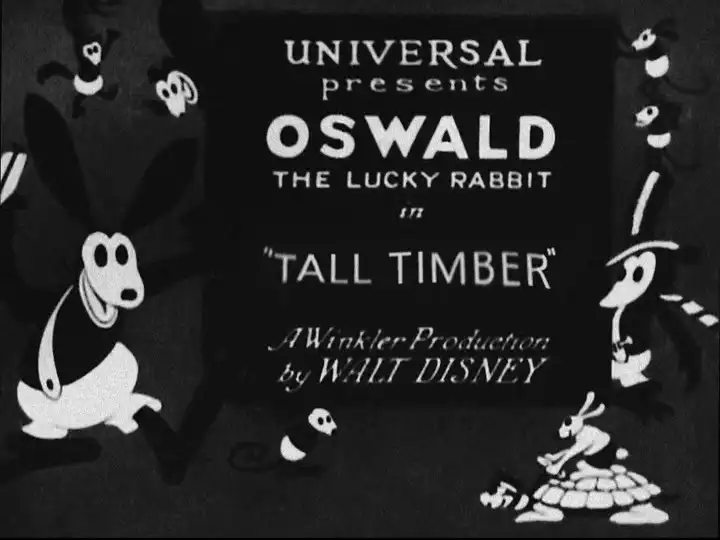
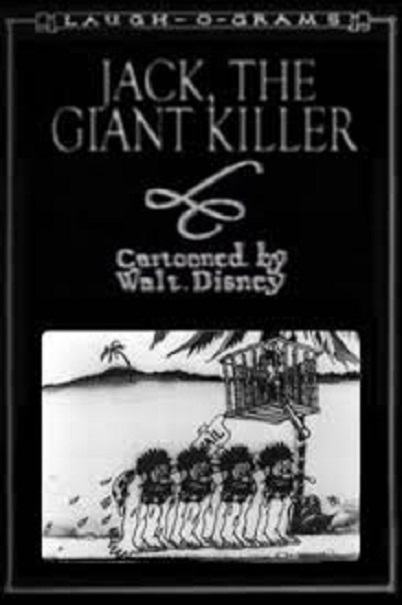
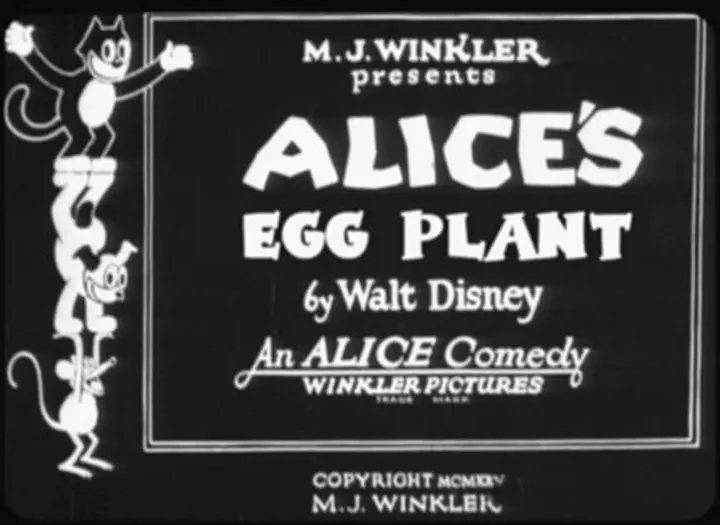
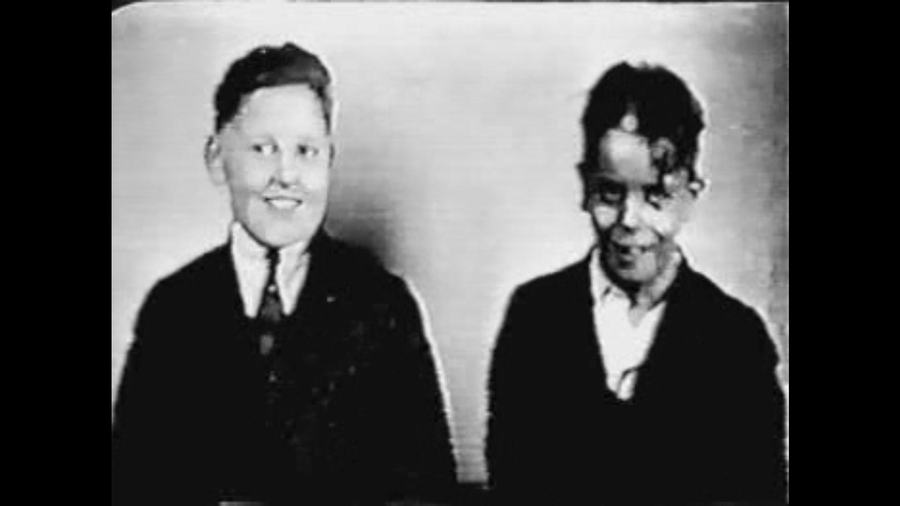
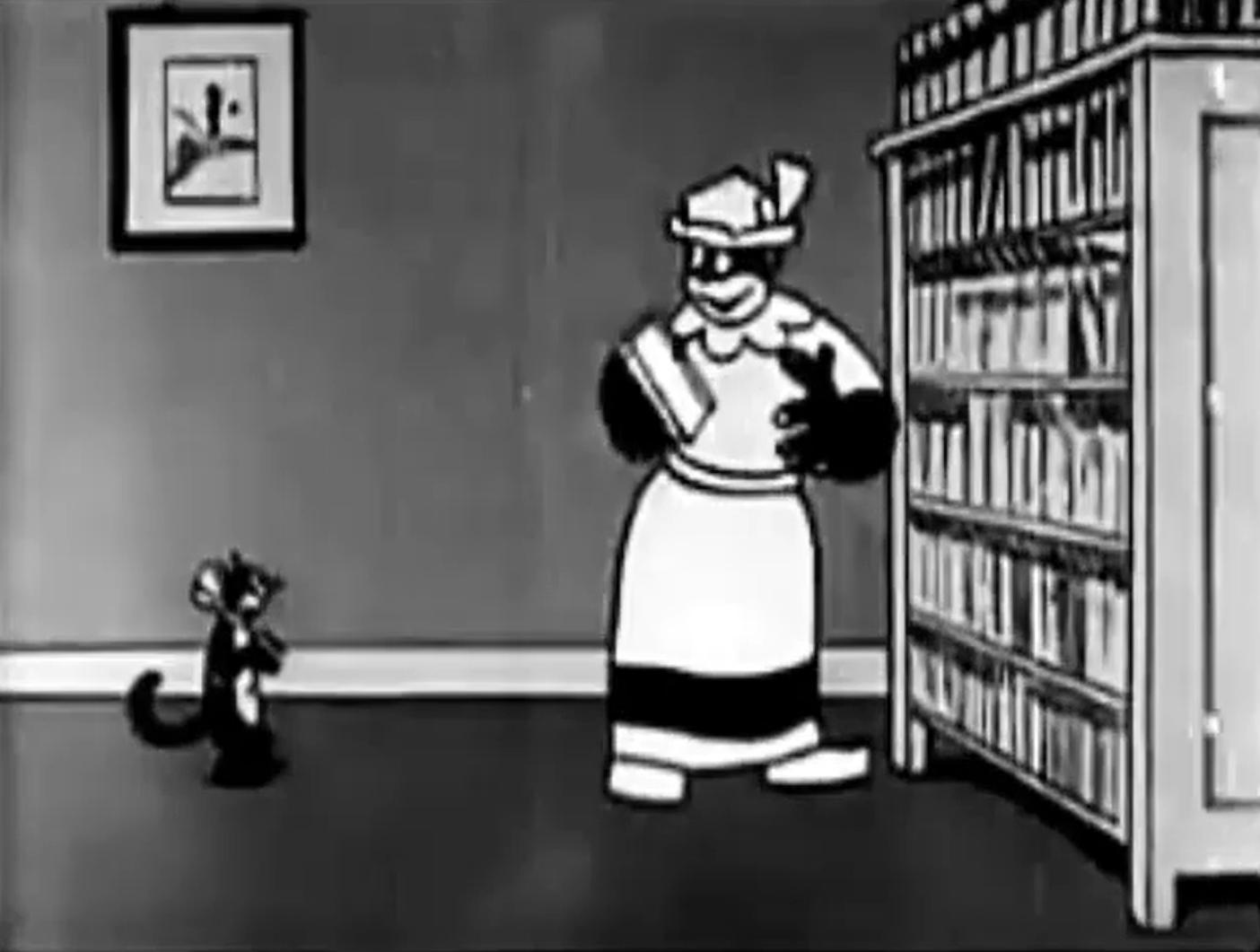
1922 so-called "Laugh-O-Gram" film directed by Walt Disney based based on the fairy tale "Goldie Locks and the Three Bears" by Robert Southey..
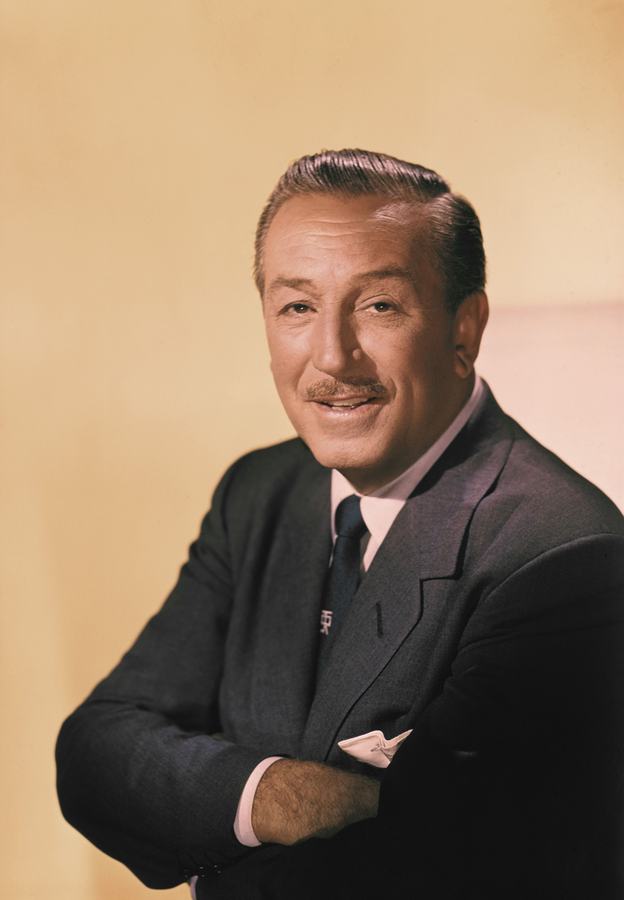
Walt Pfeiffer, Robert Southey
United States
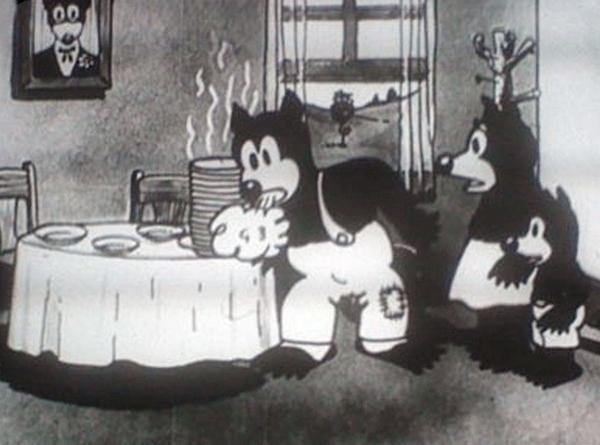
A century-old nitrate spook just elbowed its way out of the vault, and it smells like scorched porridge and teen ambition. Goldie Locks and the Three Bears—the six-minute squib Walt Disney shot in a sweltering Kansas City garage—refuses to behave like the other fairy-tale trifles of 1922. Instead it jitters, convulses...
still_frame
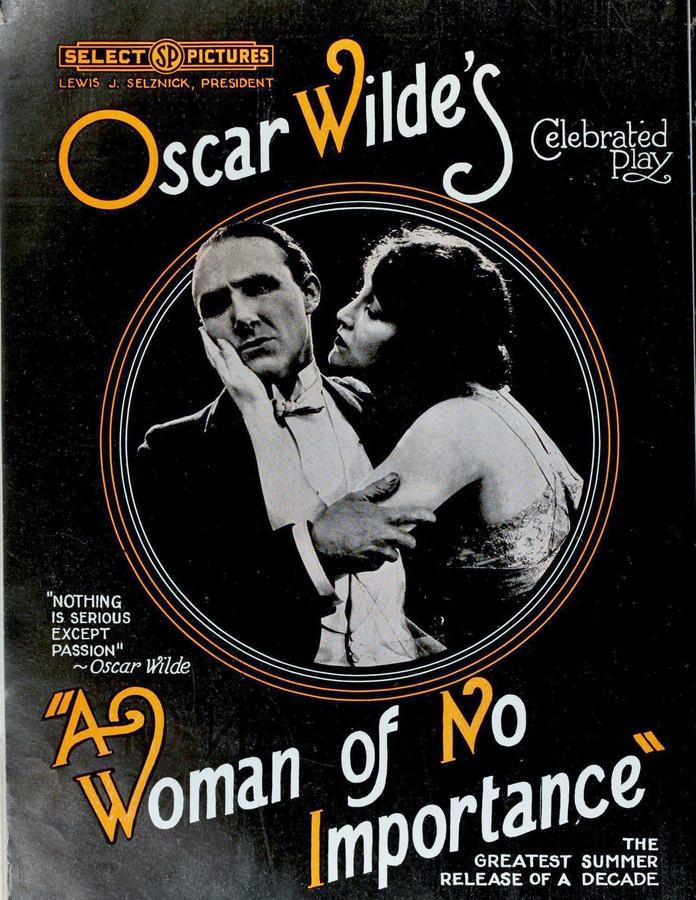
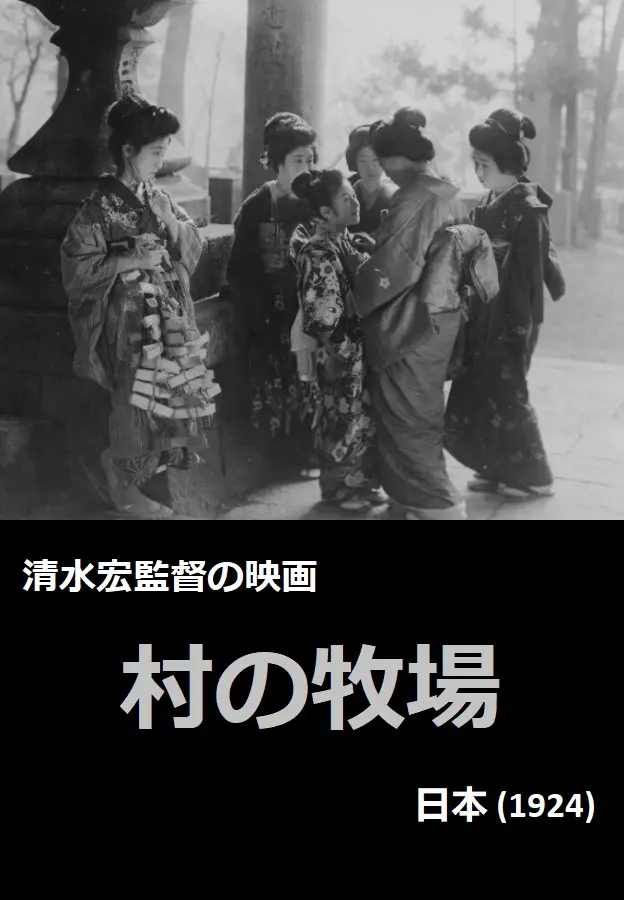
Comparing the cinematic DNA and archive impact of two defining moments in cult history.
Walt Disney
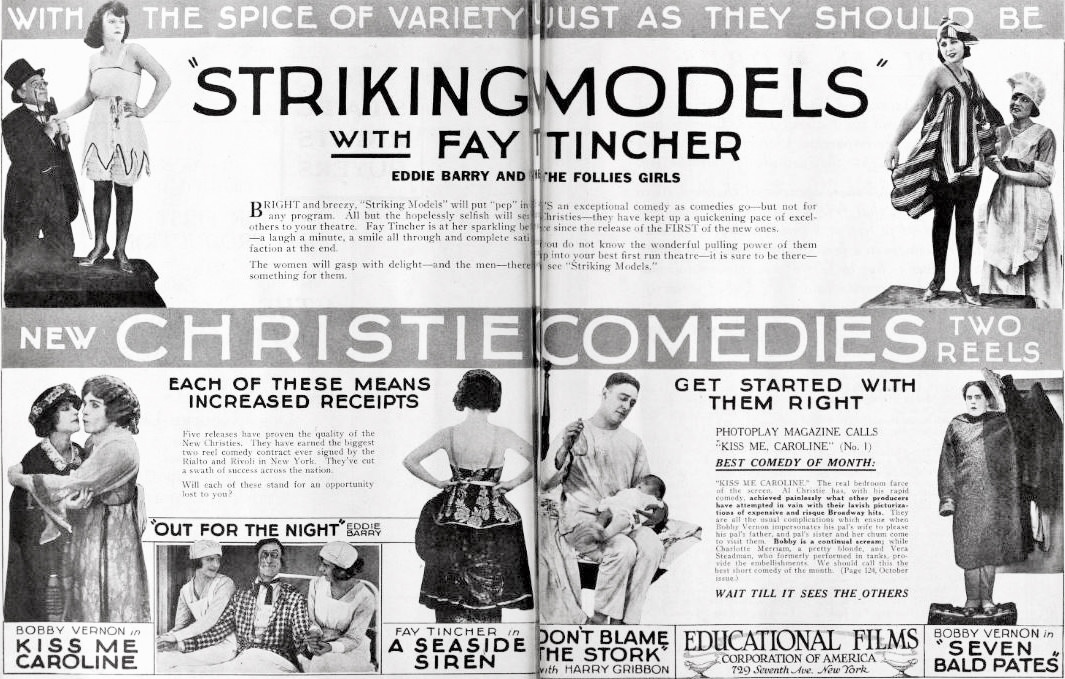
Reggie Morris
Community
Log in to comment.
" A century-old nitrate spook just elbowed its way out of the vault, and it smells like scorched porridge and teen ambition. Goldie Locks and the Three Bears—the six-minute squib Walt Disney shot in a sweltering Kansas City garage—refuses to behave like the other fairy-tale trifles of 1922. Instead it jitters, convulses, winks, and then bites. Watch any modern codec transfer and you’ll swear the film stock itself is hyperventilating. Frame edges flutter like moth wings; contrast balloons until t..."

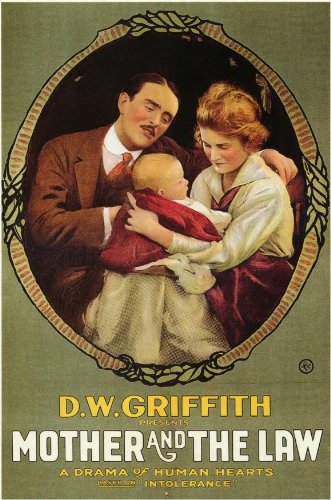
Deep dive into the cult classic
Discover similar cinematic experiences
A Directorial Spotlight on Walt Disney