DbcultAccessing Vault...
Cult Review
Senior Film Conservator
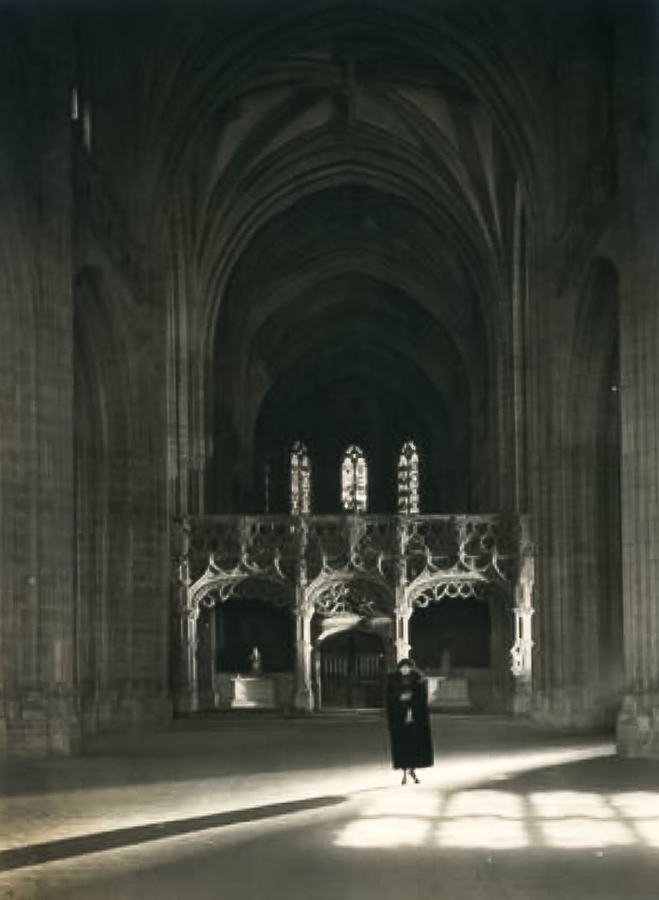
There are films that merely tell a story, and then there are those that etch themselves into the very fabric of one’s consciousness, resonating long after the final frame fades to black. Maurice Rostand's Pax Domine, a cinematic endeavor from a bygone era, unequivocally belongs to the latter category. It is not merely a tale of star-crossed lovers or a conventional melodrama; rather, it is a profound, almost excruciatingly intimate exploration of love, guilt, and the devastating power of an unconfessed sin. The narrative, deceptively simple on its surface, unravels with the precision of a master surgeon, exposing the raw nerves of human emotion and moral dilemma.
At its core, the film presents us with Charlotte Brenner, portrayed with an ethereal vulnerability by Claude France, a woman whose heart, though pledged to the steadfast farmer Pascal (Ernest Maupain), finds itself inexplicably drawn to the enigmatic sculptor Jean (Charles Lamy). This romantic entanglement, already fraught with the conventional tensions of a love triangle, is imbued with a far more sinister, tragic undertone. Jean harbors a secret so devastating, so utterly destructive, that its revelation threatens to obliterate not just their burgeoning affection, but the very foundation of Charlotte's world: he is, unknowingly to her, responsible for the accidental death of her own brother.
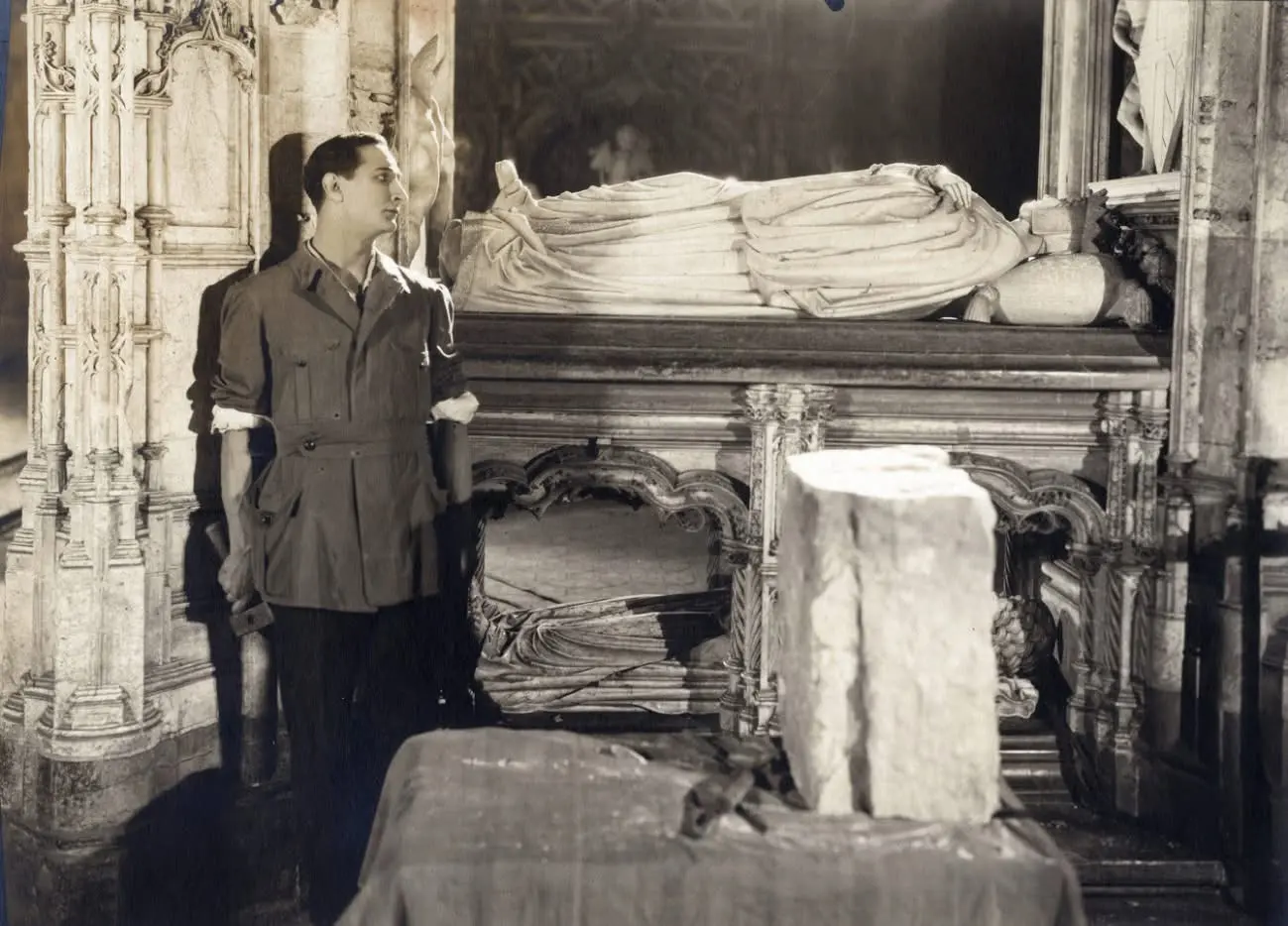
Maurice Rostand, the singular talent behind the screenplay, crafts a narrative that eschews facile resolutions and embraces the agonizing complexities of the human condition. His writing is less about grand gestures and more about the subtle, insidious creep of moral decay and psychological torment. The genius of Pax Domine lies in its unrelenting focus on the internal landscapes of its characters. Jean's silent suffering, a constant, gnawing presence, is rendered with a quiet intensity that is both captivating and deeply unsettling. His artistic pursuit, the very medium through which he connects with Charlotte, becomes a crucible for his guilt, each stroke of his chisel perhaps an unconscious penance.
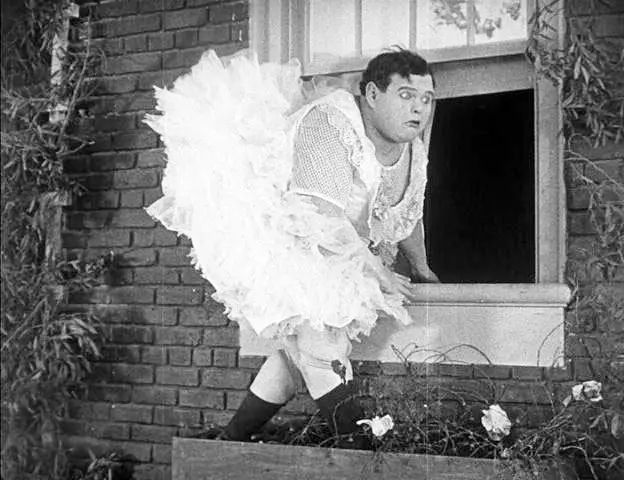
The film’s exploration of forbidden love, tinged with a tragic secret, invites a fascinating comparison to other cinematic works that navigate similar treacherous waters. One might consider the intense, often doomed romances found in films like The Passionate Pilgrim, where protagonists are similarly ensnared by circumstances beyond their immediate control, or even the more visceral moral dilemmas presented in a film like Der zeugende Tod, though Pax Domine distinguishes itself through its specific brand of unwitting complicity. Rostand's narrative doesn't rely on external villains or overt acts of malice; the tragedy is born from an unfortunate accident and the subsequent, agonizing burden of concealment.
The performances in Pax Domine are nothing short of remarkable, particularly considering the stylistic conventions of early 20th-century cinema. Charles Lamy, as Jean, delivers a portrayal of profound internal conflict. His eyes, often downcast or gazing into the middle distance, convey a thousand unspoken fears and regrets. It is a performance of quiet anguish, a testament to the power of subtle acting in an era often characterized by overt theatricality. One can practically feel the weight of his secret pressing down upon him, manifesting in every hesitant glance, every strained smile.
Claude France, as Charlotte, is equally compelling. Her innocence and burgeoning passion are depicted with a delicate grace that makes her eventual predicament all the more heartbreaking. She embodies the quintessential tragic heroine, her beauty masking a vulnerability that the audience instinctively fears will be shattered. The chemistry between Lamy and France is palpable, creating a magnetic pull that makes their fated romance tragically believable. Ernest Maupain's Pascal, the jilted fiancé, is not rendered as a mere obstacle but as a figure of earnest, albeit somewhat naive, devotion, adding another layer of pathos to the unfolding drama. His quiet dignity in the face of Charlotte's shifting affections underscores the film's nuanced characterizations, avoiding simplistic portrayals of good and evil.
The supporting cast, including Camille Bert, Madame Duriez, Blanche Montel, Gaston Norès, Pierre Daltour, and Sutty, contributes significantly to the film’s rich tapestry. Each actor, even in smaller roles, imbues their character with a distinct presence, grounding the heightened emotional drama in a believable community. Madame Duriez, in particular, often provides a grounding, maternal presence that contrasts with the youthful turmoil. Their collective efforts create a world that feels lived-in, making the central tragedy all the more impactful.
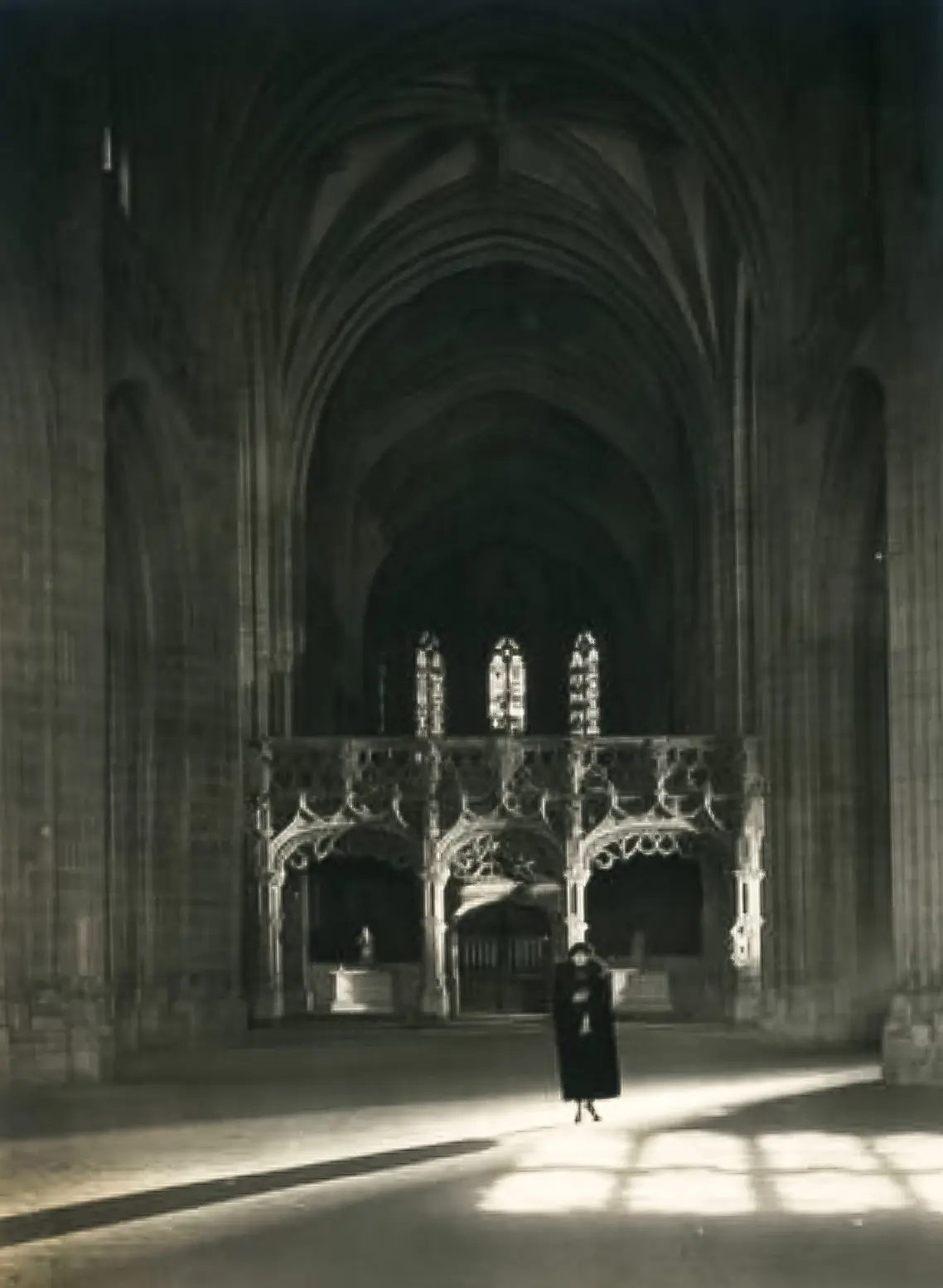
Beyond the performances, the film's visual language is remarkably sophisticated for its time. The cinematography often employs stark contrasts and evocative compositions to mirror the internal turmoil of the characters. Shadows seem to lengthen and deepen around Jean, visually representing the encroaching darkness of his secret. The rural landscapes, initially portrayed as idyllic, gradually take on a melancholic hue, reflecting Charlotte's unwitting journey towards heartbreak. This masterful use of visual metaphor elevates Pax Domine beyond a simple narrative, transforming it into a poignant visual poem.
Thematic exploration in Pax Domine extends far beyond mere romance. It delves into the nature of truth and deception, the corrosive power of guilt, and the devastating consequences of unacknowledged actions. The title itself, 'Pax Domine' (Peace of the Lord), takes on a deeply ironic resonance, as peace is precisely what eludes its central figures. Jean's desperate yearning for solace, trapped between his love for Charlotte and his crushing secret, drives the emotional engine of the film. It's a stark reminder of how even accidental transgressions can ripple outwards, destroying lives and fracturing destinies. This theme of inescapable consequence, regardless of intent, is powerfully resonant, perhaps even more so when contrasted with films that deal with more deliberate moral failings, such as The Spendthrift, where choices are often more consciously self-destructive.
Pax Domine stands as a testament to the enduring power of silent cinema to convey profound emotional depth without the crutch of spoken dialogue. The film relies heavily on visual cues, facial expressions, and the sheer evocative power of its performers to communicate the intricate web of feelings and moral quandaries. It's a masterclass in subtlety and psychological drama, a genre that was still very much in its nascent stages during this period. The absence of sound forces the audience to engage more deeply with the visual narrative, to interpret every glance, every gesture, every tear. This active engagement enriches the viewing experience, making the tragedy of Charlotte and Jean all the more personal and impactful.
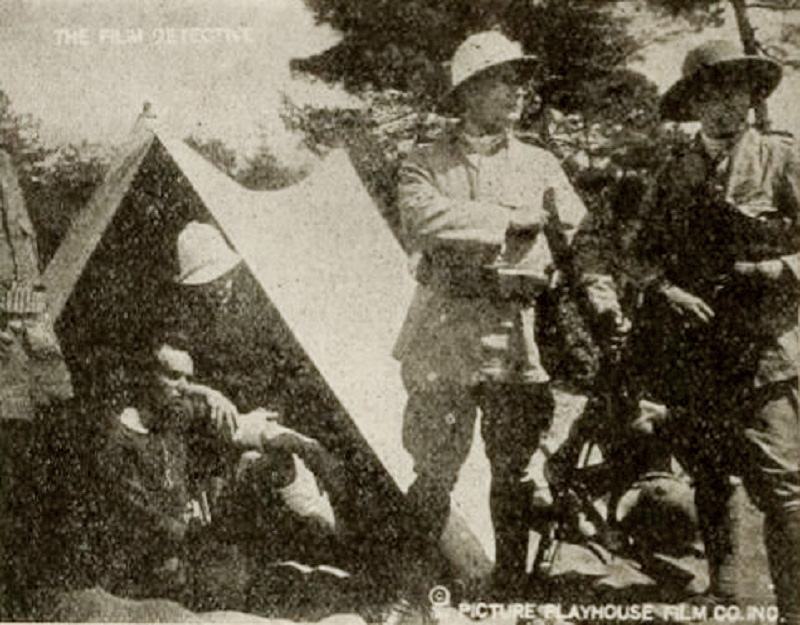
Compared to other films of its era, such as the lighter fare of Oh, What a Knight or the more straightforward adventure of Captain Starlight, or Gentleman of the Road, Pax Domine distinguishes itself through its unflinching commitment to emotional realism and its refusal to shy away from the darker aspects of human experience. It doesn't offer easy answers or convenient happy endings; instead, it plunges the viewer into the heart of a moral labyrinth, leaving them to grapple with the profound implications of its tragic climax.
The film's enduring relevance lies in its timeless exploration of universal themes: the allure of forbidden love, the crushing weight of guilt, the fragility of happiness built upon deceit, and the inexorable march of truth towards revelation. While the cinematic techniques may belong to a bygone era, the raw human emotions depicted are as potent and relatable today as they were upon its release. Pax Domine is not merely a historical artifact; it is a vibrant, beating heart of a film, a powerful reminder of cinema's capacity to transcend time and speak directly to the soul. It compels us to ponder the nature of forgiveness, both for oneself and from others, and the profound cost of secrets that fester in the dark corners of the heart. For those who appreciate cinema that delves deep into the human psyche, offering both beauty and agony in equal measure, Pax Domine remains an essential, unforgettable viewing experience.
One cannot discuss Pax Domine without acknowledging its subtle commentary on art itself. Jean, the sculptor, channels his inner turmoil into his creations. His art becomes both a refuge and a confessional, a silent testament to his internal struggle. This intertwining of artistic expression and moral burden adds another layer of sophistication to Rostand's narrative. It suggests that creativity, while offering an escape, can also be a mirror, reflecting the artist's deepest truths and most agonizing secrets. This idea resonates with the broader artistic movements of the time, where expressionism was gaining ground, delving into psychological states rather than mere external reality.
The film, despite its somber themes, also manages to capture moments of fleeting beauty and genuine affection, making the eventual tragedy all the more poignant. The early scenes between Charlotte and Jean, filled with innocent flirtation and the undeniable spark of mutual attraction, serve to heighten the dramatic irony. The audience, privy to Jean's secret, watches these moments with a sense of dread, aware that this fragile happiness is built on shifting sands. This masterful use of dramatic irony is a hallmark of Rostand's storytelling, demonstrating a keen understanding of narrative tension.
In conclusion, Pax Domine is a powerful, emotionally charged work that transcends its historical context. It is a film that demands reflection, prompting viewers to consider the intricate dance between love, responsibility, and the often-unbearable weight of conscience. Its characters, though products of their time, grapple with dilemmas that are eternally human, making this silent masterpiece a truly resonant and unforgettable cinematic experience. It reminds us that sometimes, the greatest dramas unfold not on battlefields or in grand courts, but within the quiet, tormented chambers of the human heart, where secrets are kept, and peace remains an elusive, often unattainable, dream.

IMDb 5.8
1931
Community
Log in to comment.