DbcultAccessing Vault...
Cult Review
Senior Film Conservator
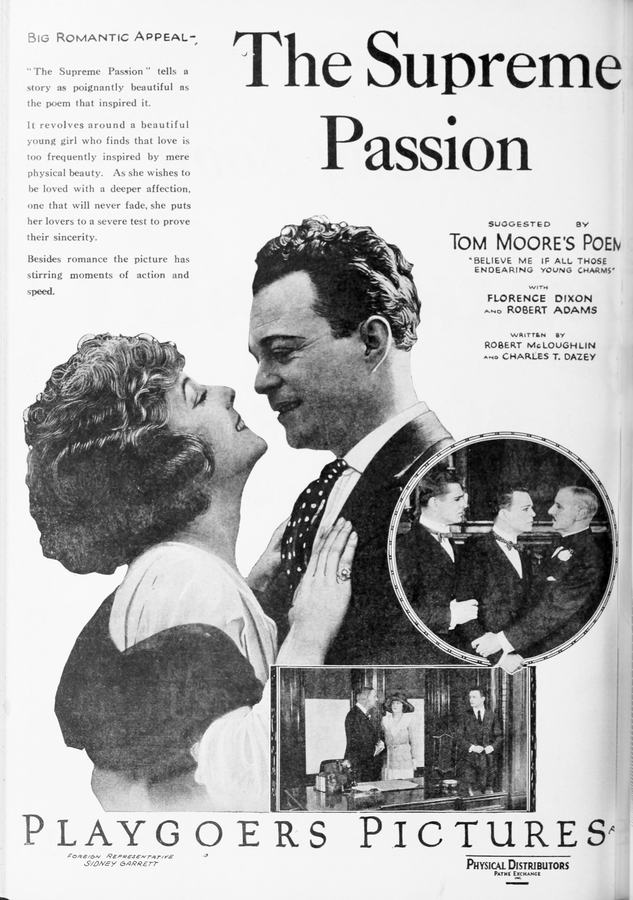
Hidden Charms (1920) – A Silent Symphony of Defiance and Desire
Robert McLaughlin’s Hidden Charms, a relic from cinema’s formative years, weaves a narrative so taut with emotional tension that it transcends the limitations of its medium. The film’s opening act introduces Jerry Burke (Daniel Kelly) in a state of existential limbo: engaged to Mary Manning (Florence Dixon), yet estranged from his father due to the social chasm between their families. This setup, rendered in stark monochrome, immediately establishes the central conflict—a collision between familial obligation and personal longing. The elder Manning’s decision to emigrate to America with Mary, orchestrated by the duplicitous James Lacey (William Mortimer), marks the first of several betrayals that propel the story into a darker, more morally complex terrain.
The film’s narrative architecture is a masterclass in suspense. McLaughlin and his co-writers, Charles T. Dazey and Thomas Moore, construct a plot where every character’s agency is both constrained and amplified by the era’s rigid social hierarchies. Lacey’s manipulation of the Manning patriarch—a man portrayed with weary resignation by George Fox—highlights the insidious nature of power in a pre-labor-reform Ireland. Yet it is Mary’s actions that anchor the film’s emotional core. Her decision to ignite her veil, a gesture simultaneously theatrical and deeply personal, is not just a rejection of Lacey’s opportunism but a declaration of autonomy. The fire, meticulously staged through a series of close-ups and rapid cuts, becomes a visual motif for the destruction and rebirth of identity.
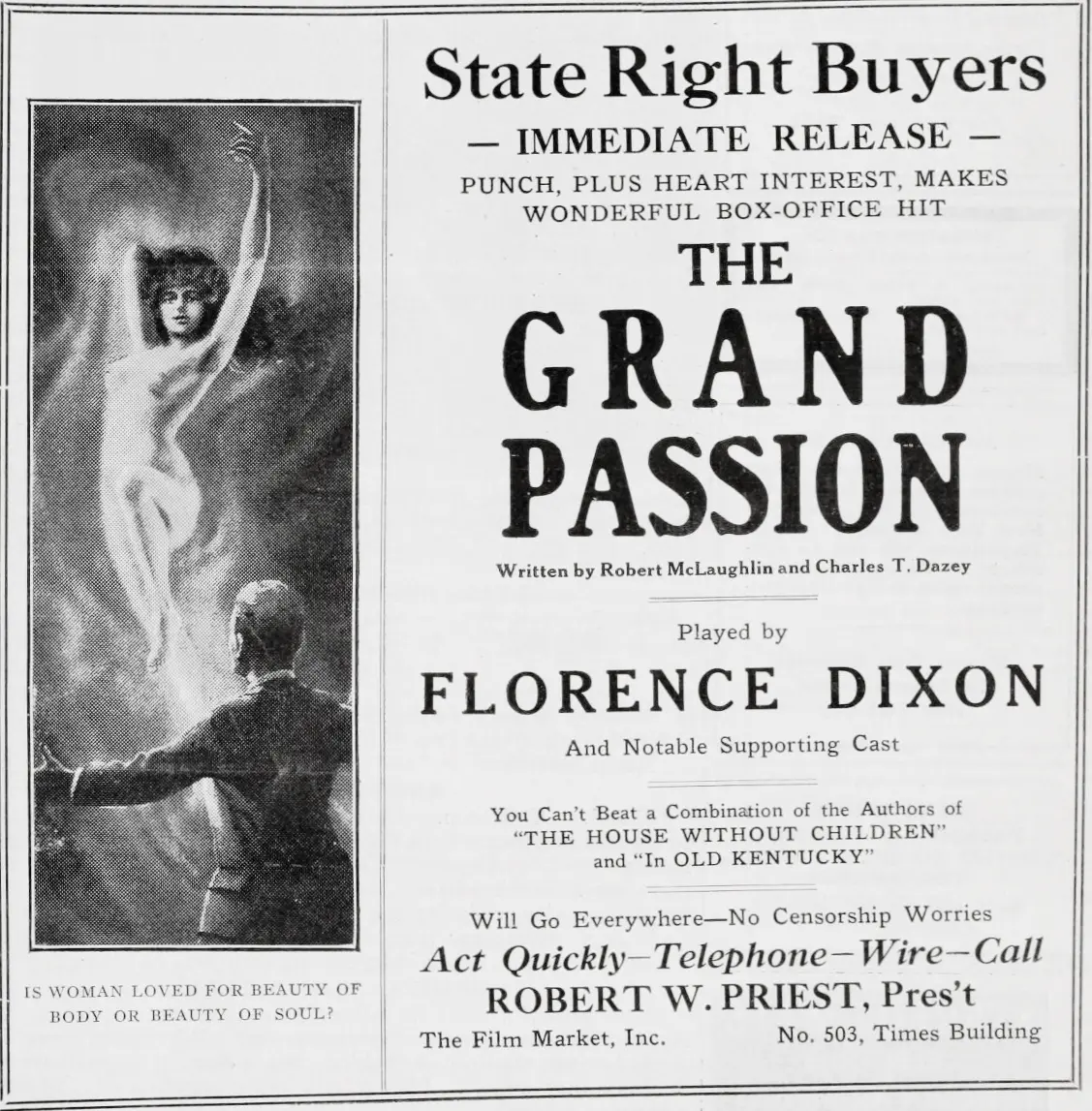
What elevates Hidden Charms beyond its contemporaries—films like The Clouded Name or Moral Suicide—is its nuanced exploration of gender dynamics. Mary’s disfigurement, though later revealed as a ruse, forces the audience to confront the paradox of female agency in a world where beauty is both a commodity and a prison. Florence Dixon’s performance, marked by a restrained intensity, captures this duality with haunting precision. Her final scene with Jerry—a wordless exchange of glances and tentative embraces—resonates with the aching ambiguity of a second chance.
Technically, the film is a testament to the ingenuity of silent-era filmmakers. The use of intertitles is sparse but strategic, allowing the actors’ expressions and the cinematography to carry the narrative weight. A standout sequence features a cross-cut between Jerry’s disillusionment in New York and Mary’s silent rebellion in Ireland, underscored by a haunting organ score that mirrors the characters’ inner turmoil. The production design, particularly the juxtaposition of crumbling Irish estates with the stark efficiency of American urban spaces, reinforces the thematic tension between tradition and modernity.
Comparisons to other works of the period are inevitable. Like The She Devil, Hidden Charms explores the moral ambiguity of female protagonists. However, McLaughlin’s film avoids the melodramatic traps of its peers by grounding its characters in a tangible, if fictional, socio-political landscape. The inclusion of subplots involving labor unrest and political corruption (via Lacey’s scheming) adds layers of texture that elevate the story from a simple romance to a critique of systemic exploitation.
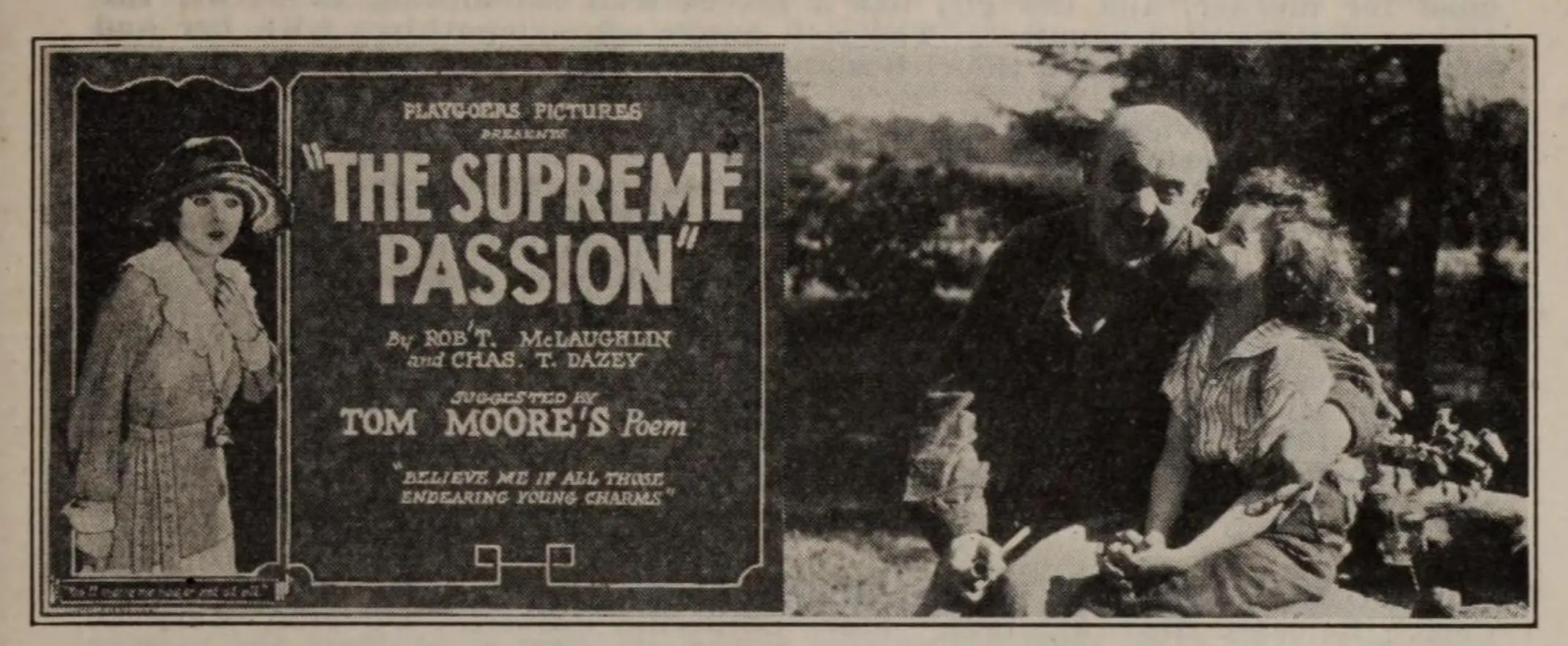
The film’s unresolved conclusion—a reunion that is as much about mutual understanding as it is about circumstantial necessity—invites multiple interpretations. Does Jerry’s forgiveness stem from genuine love, or is it a pragmatic acceptance of Mary’s choices? Does Mary’s act of self-sabotage ultimately empower her, or does it reinforce the very patriarchal structures she seeks to defy? These questions linger long after the credits roll, a testament to the film’s narrative sophistication.
For modern audiences, Hidden Charms offers a window into the silent film era’s visual storytelling techniques. The long takes, symbolic mise-en-scène, and expressive use of light and shadow anticipate the stylistic innovations of later directors like Carl Dreyer and F.W. Murnau. Yet the film’s emotional core remains its most enduring legacy. In an age where cinema often prioritizes spectacle over substance, Hidden Charms reminds us of the power of restraint and the universality of its themes: the struggle between duty and desire, the fragility of identity, and the redemptive potential of love.
In conclusion, Hidden Charms is a cinematic gem that rewards patient viewing. Its blend of gripping drama, social commentary, and visual artistry cements its place as a significant work in early film history. For those seeking a deeper appreciation of silent cinema’s narrative possibilities, this film is an essential watch.
IMDb —
1930
Community
Log in to comment.