Summary
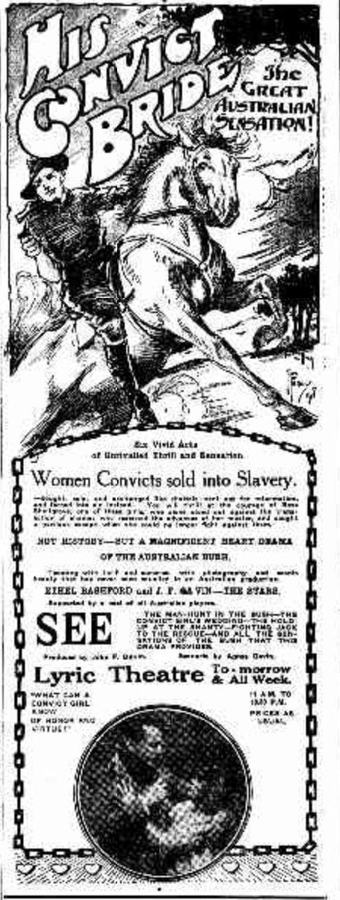
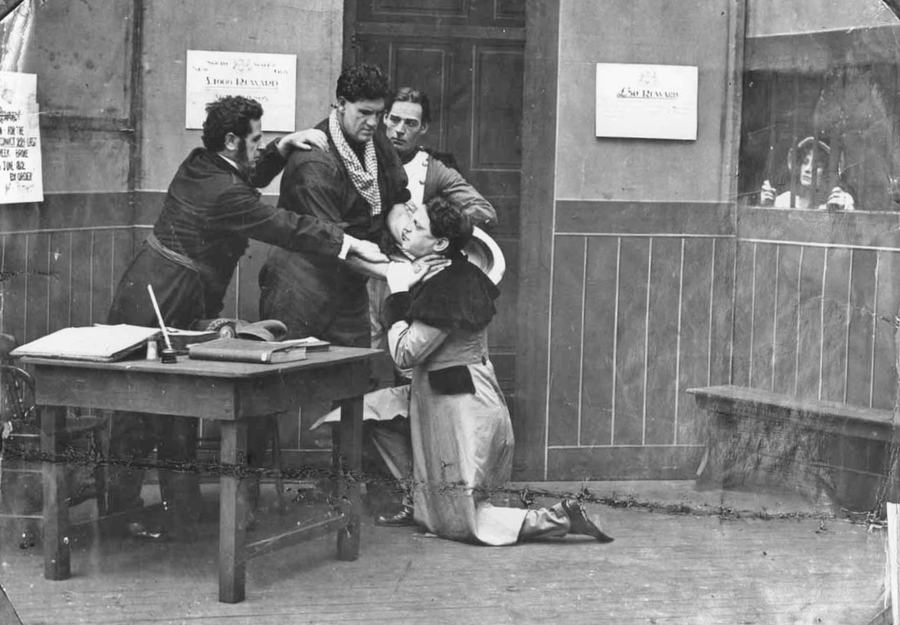
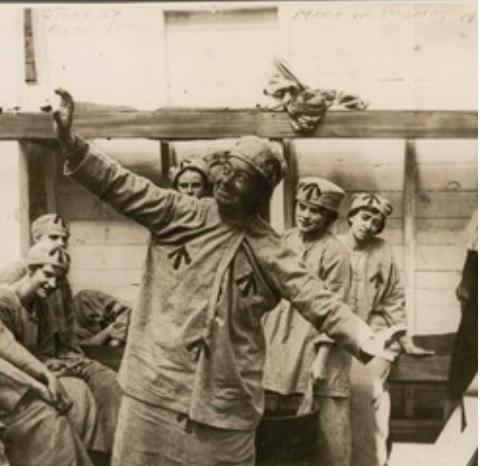
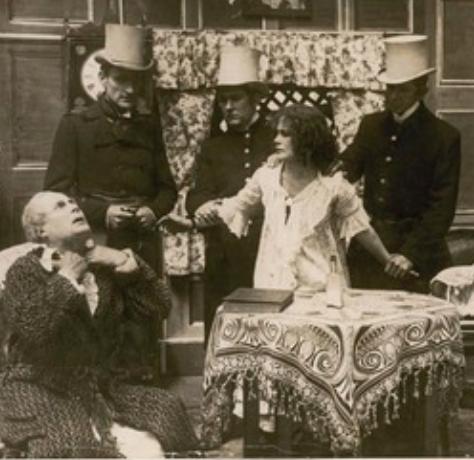
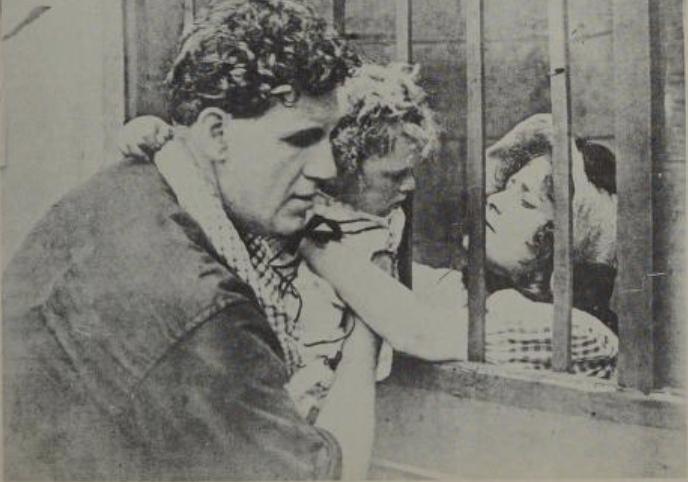
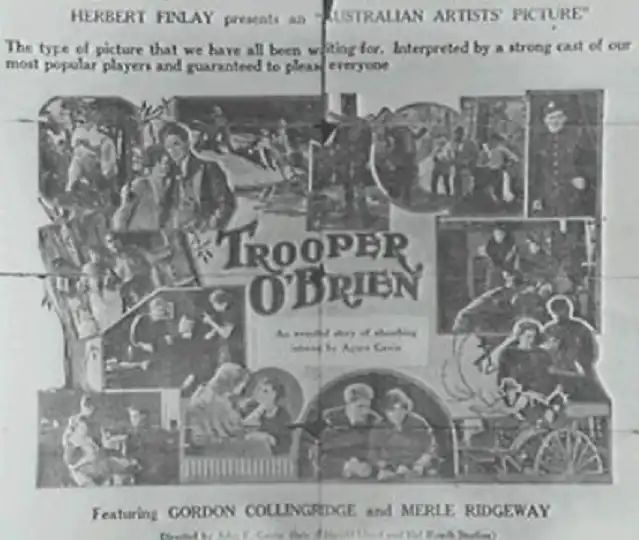
Against a soot-choked Sydney dusk, Agnes Gavin’s pen sketches a penal colony that refuses to behave like history-book wallpaper. A nameless Irish seamstress, shackled for petty larceny, is marched off the transport hulk; her scarlet kerchief flutters like a wound against the harbour’s bruised sky. She is auctioned to a brooding settler—C. Howard’s face a chiaroscuro of land-grant guilt—whose crumbling homestead squats between a primordial gum forest and a convict barracks that smells of tar, sweat, and secret Catholic psalms. Their forced union, signed by a magistrate too drunk to spell her surname, becomes a crucible: each dawn she pilfers eggs from his own coop to barter for scraps of liberty, each dusk he watches her silhouette brand the horizon with forbidden grace. Into this claustrophobic Eden slither Roland Watts-Phillips as a scripture-quoting trooper who covets both the farm’s cedar timber and the bride’s sinewy collarbones; Charles Villiers as a bushranger-poet whose scarred throat can only recite Byron in whispers; Flo Smith as a gin-distilling housemaid whose laughter crackles like eucalyptus leaves on a bushfire. When the harvest fails and the Governor’s gallows goes up in the marketplace, loyalties combust: the bride engineers a moonlit escape down the Parramatta River, her petticoat stuffed with stolen survey maps, while the settler—now half-mad from heatstroke and Protestant shame—gallops after her through a landscape that metamorphoses from scrub to cathedral-like rainforest. Gavin’s climax is a stroke of savage mercy: at the cliff edge where the colony ends and the unmapped continent yawns, husband and wife exchange not forgiveness but a silent pact—he will claim she drowned, she will vanish into the interior with a new name stitched from possum skin and starlight. The final shot, held for an aching eternity, watches the empty saddle on his riderless horse as the sun bleeds out over the Tasman Sea—an open wound that refuses closure.
Review Excerpt
"
h2{color:#C2410C;border-bottom:2px solid #EAB308;padding-bottom:.4em;margin-top:1.8em;letter-spacing:.6px;font-weight:700}
h3{color:#0E7490;margin-top:1.5em;font-weight:600}
p,ul{margin-bottom:1.3em}
em,strong{color:#EAB308;font-style:normal}
a{color:#0E7490;text-decoration:underline;text-underline-offset:.2em}
a:hover{color:#EAB308}
blockquote{border-left:4px solid #C2410C;padding-left:1.2em;margin:1.5em 0;font-style:italic;color:#EAB308}
1. The Celluloid Convict: A Nation’s B..."