DbcultAccessing Vault...
Cult Review
Senior Film Conservator
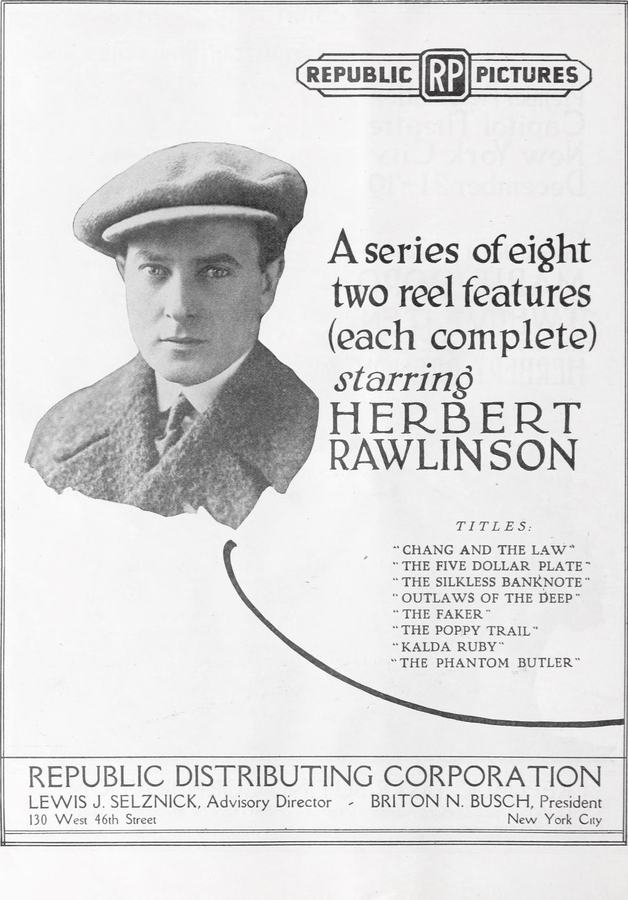
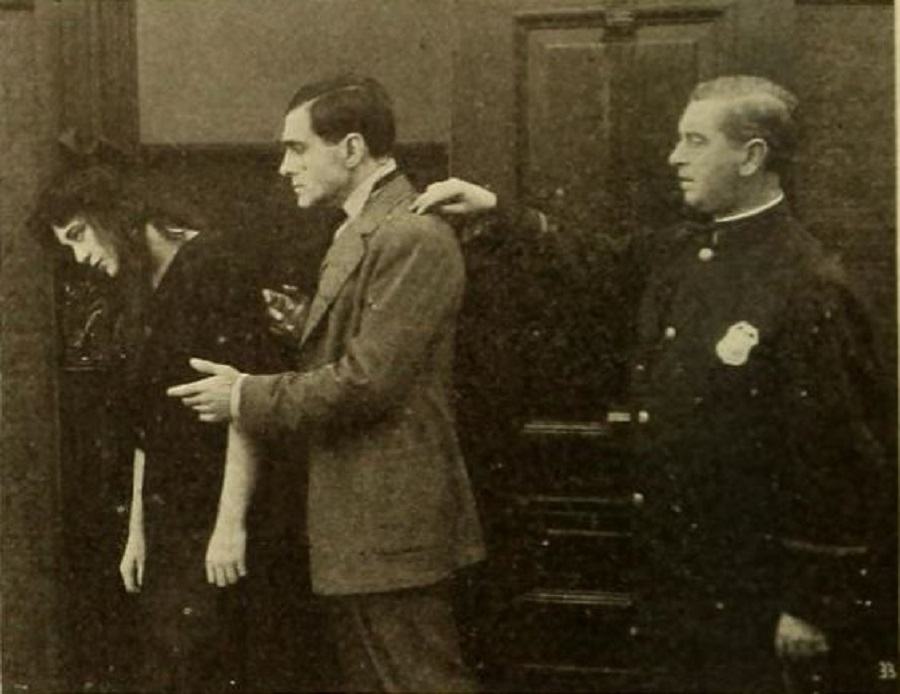
The Poppy Trail is a cinematic tapestry woven from the very fabric of human experience, with each thread meticulously crafted to evoke a profound emotional resonance. As the narrative unfolds, it becomes increasingly evident that the film is not merely a product of its time, but a timeless masterpiece that transcends the boundaries of era and genre. The cinematography is a character in its own right, with the use of dark orange hues and yellow tones evoking a sense of nostalgia and longing, while the sea blue palette adds a touch of melancholy to the overall aesthetic.
One of the most striking aspects of The Poppy Trail is its thoughtful pacing, which allows the audience to absorb the complexities of the narrative and become fully invested in the characters' journeys. This deliberate approach is reminiscent of films like Ten Nights in a Barroom, where the slow-burning tension builds towards a dramatic climax. In contrast, The Poppy Trail's narrative is more akin to a gentle stream, meandering through the landscape of the human heart and illuminating the darkest recesses of our emotions.
The cast, led by the inimitable Herbert Rawlinson, delivers performances that are at once nuanced and powerful, bringing depth and complexity to the characters. Rawlinson's portrayal of the protagonist is particularly noteworthy, as he conveys the full range of human emotions with a subtlety and sensitivity that is all too rare in modern cinema. His performance is a masterclass in understatement, inviting the audience to fill in the gaps and become an active participant in the narrative.
In terms of themes, The Poppy Trail explores the universal human experiences of love, loss, and redemption, all of which are woven together with a deft touch by writer William J. Flynn. The film's exploration of these themes is both deeply personal and profoundly relatable, making it a work that resonates with audiences on a fundamental level. This is evident in the way the narrative balances light and darkness, hope and despair, to create a sense of balance and harmony that is both beautiful and poignant.
The Poppy Trail can be seen as part of a broader cinematic tradition that includes films like The House of a Thousand Candles and A vörös Sámson, all of which share a common concern with exploring the human condition. However, The Poppy Trail stands out from its contemporaries due to its innovative storytelling and its willingness to confront the complexities of human emotion head-on. This is evident in the way the film's narrative is structured, with each scene building upon the last to create a sense of cumulative emotional impact.
In comparison to other films of the era, such as Jealousy and The Dazzling Miss Davison, The Poppy Trail is notable for its restraint and subtlety. While these films often rely on grand gestures and melodramatic plot twists, The Poppy Trail prefers to focus on the quiet, intimate moments that reveal the deepest truths about human nature. This approach is both brave and deeply rewarding, as it allows the audience to connect with the characters on a profound level and become fully invested in their journeys.
The film's use of visual motifs is another noteworthy aspect, with the dark orange and yellow hues serving as a visual representation of the characters' emotional states. The sea blue palette, on the other hand, adds a sense of calm and serenity to the narrative, underscoring the idea that even in the midst of turmoil, there is always the possibility for peace and redemption. This thoughtful use of color is reminiscent of films like Tom Brown's Schooldays, where the visual aesthetic plays a crucial role in shaping the narrative and conveying the themes.
In conclusion, The Poppy Trail is a film that will continue to resonate with audiences for generations to come, its timeless themes and beautiful cinematography ensuring its place as a cinematic masterpiece. As a work of art, it stands alongside other classics of the era, such as Lord Loveland Discovers America and A Broadway Saint, each of which offers a unique perspective on the human experience. The Poppy Trail, however, is a film that defies categorization, its beauty and complexity making it a must-see for anyone who loves cinema.
The film's influence can also be seen in later works, such as The World Apart and Gengældelsens ret, which both explore similar themes of love, loss, and redemption. The Poppy Trail's thoughtful approach to storytelling and its use of visual motifs have also been an inspiration to many filmmakers, including those behind The Snowbird and Two Women. As a result, The Poppy Trail remains a vital and relevant work of cinema, one that continues to inspire and captivate audiences with its beauty and emotional depth.
Ultimately, The Poppy Trail is a film that will leave you breathless and yearning for more, its poignant exploration of the human condition lingering in the mind long after the credits have rolled. It is a testament to the power of cinema to capture the essence of human emotion, and a reminder that even in the darkest of times, there is always hope and always the possibility for redemption and forgiveness. As such, it stands alongside other classics of the era, such as Wedding Blues and The Last Egyptian, as a work of art that continues to inspire and captivate audiences with its beauty and emotional depth.
In the final analysis, The Poppy Trail is a film that deserves to be seen and experienced by anyone who loves cinema. Its thoughtful approach to storytelling, its beautiful cinematography, and its poignant exploration of the human condition make it a must-see for anyone interested in the art of filmmaking. As a work of art, it stands as a testament to the power of cinema to capture the essence of human emotion, and a reminder that even in the darkest of times, there is always hope and always the possibility for redemption and forgiveness. The Poppy Trail is a film that will continue to resonate with audiences for generations to come, its beauty and emotional depth ensuring its place as a cinematic masterpiece alongside other classics of the era, such as The Whirl of Life.
IMDb 8.2
1930
Community
Log in to comment.