DbcultAccessing Vault...
Cult Review
Senior Film Conservator
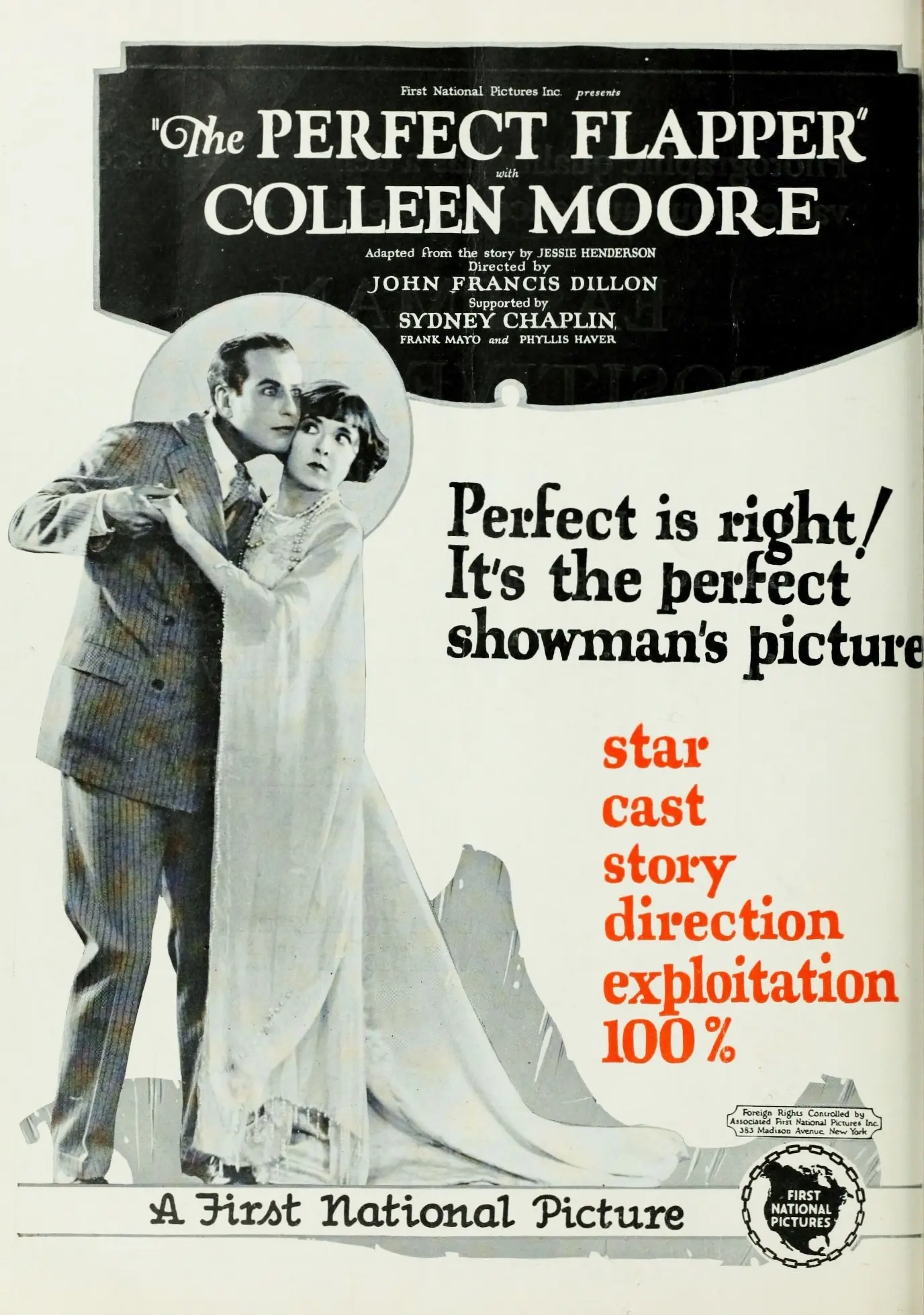
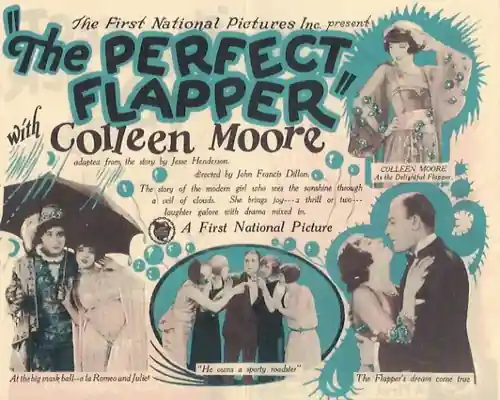
In the annals of silent cinema, few figures command the same cultural gravity as Colleen Moore. The Perfect Flapper (1924) stands as a definitive artifact of a decade in flux, a period where the rigid mores of the Edwardian era were being dismantled by the syncopated rhythms of jazz and the burgeoning independence of the New Woman. Unlike the more rugged narratives found in The Brute Breaker or the kinetic action of The Blue Streak, this film operates within the delicate ecosystem of social status and gender performance. It is a work that interrogates the price of popularity and the inherent theatricality of the debutante circuit.
The film opens with a stark contrast between expectation and reality. Tommie Lou, portrayed with a nuanced vulnerability by Moore, is presented as a 'wallflower'—a term that, in 1924, carried the weight of social failure. The direction captures the claustrophobia of her modesty, framing her against the expansive, chaotic backdrop of a party that has no room for her quietude. This initial setup is reminiscent of the social friction explored in A Flirt There Was, yet Moore brings a specific, gamine energy that elevates the material beyond mere melodrama. Her transformation into the titular flapper is not merely a change of wardrobe; it is a profound shift in cinematic grammar, moving from static, inhibited movements to a fluid, almost frantic physicality.
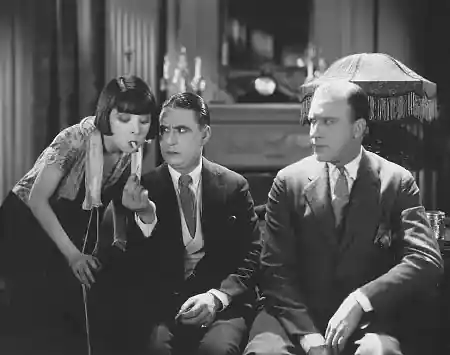
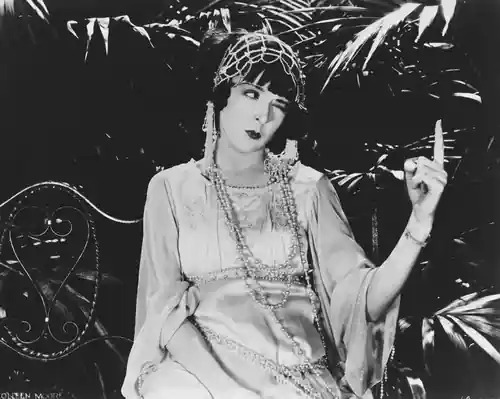
To understand The Perfect Flapper, one must understand the Moore phenomenon. She was the architect of the bobbed hair and the short skirt, a visual shorthand for rebellion. In this film, her performance is a masterclass in comedic timing and pathos. When she decides to 'resort to unconventional jazz attitudes,' the film shifts into high gear. The editing becomes more rhythmic, reflecting the pulse of the music that the audience can only imagine. This transition is handled with a sophistication that rivals the pacing of Bucking Broadway, though the stakes here are firmly rooted in the drawing room rather than the frontier.
The supporting cast provides a sturdy framework for Moore's pyrotechnics. Phyllis Haver, often cast as the alluring siren, plays her role with a sharp, cynical edge that provides the perfect foil to Moore’s manufactured wildness. The chemistry between Moore and Frank Mayo is palpable, grounding the film's more farcical elements in a believable romantic longing. Syd Chaplin, often overshadowed by his more famous brother, provides moments of levity that prevent the film from descending into moralistic preaching. The ensemble creates a microcosm of 1920s high society that feels both lived-in and biting in its satire.
The plot’s pivot into a divorce suit adds a layer of unexpected gravity. In an era where divorce was still a potent social stigma, the film uses it as a vehicle to explore the unintended consequences of social performance. Tommie Lou’s success as a flapper is so complete that she becomes a disruptive force, a 'home-wrecker' by accident. This narrative choice mirrors the domestic complications seen in Why Smith Left Home, but with a more poignant focus on the female protagonist's agency—or lack thereof. She is caught in a machine of her own making, a victim of her own sudden popularity.
The legal entanglement involving the wife's lawyer is where the film finds its heart. As Tommie Lou falls in love, the artifice of her flapper persona begins to crack. The lawyer represents a bridge between the old-fashioned values she once held and the modern world she has conquered. This internal conflict is portrayed through Moore’s expressive face, which could convey more in a single close-up than pages of intertitles. The film suggests that while the flapper persona is a necessary tool for survival in a changing world, it is ultimately a mask that must be removed for true human connection to occur.
Technically, The Perfect Flapper is a testament to the visual sophistication of the mid-20s. The cinematography uses light and shadow to distinguish between the somber, 'old-fashioned' spaces Tommie Lou initially inhabits and the dazzling, over-lit environments of the jazz parties. The use of depth of field during the party scenes allows the viewer to feel the overwhelming nature of the social environment, a technique that would be further refined in later years but is present here in its nascent brilliance. The costume design, credited to the era's masters, is not just decorative; it is a narrative engine. Each sequin and fringe on Moore's dress tells the story of her transformation.
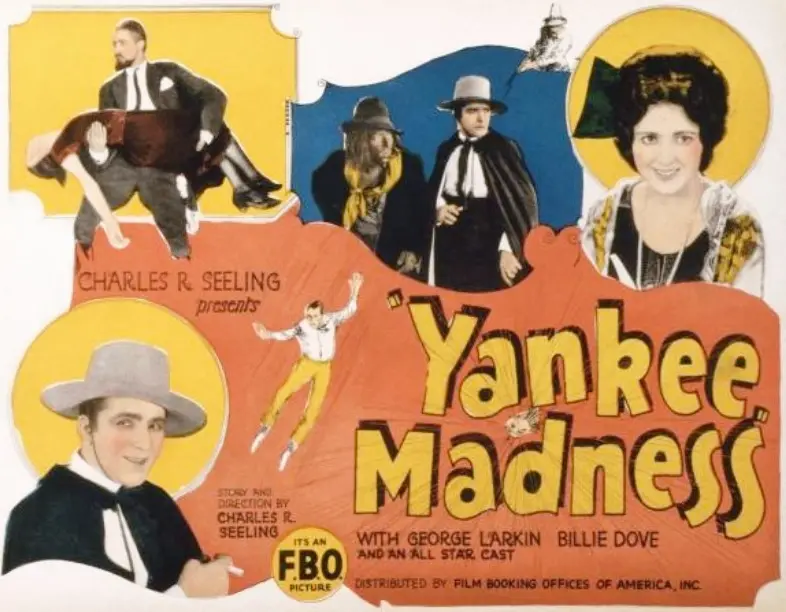
When compared to the more straightforward action of A Yankee Go-Getter, The Perfect Flapper reveals a more complex interest in the psychology of its characters. The writers, Jessie Henderson and Joseph F. Poland, imbue the script with a wit that survives the lack of spoken dialogue. The intertitles are sharp, capturing the slang and the attitude of the era without feeling like a caricature. There is a sense of urgency in the storytelling that matches the 'speed' of the 1920s, a quality also found in Jumping Beans, though applied here to social maneuvering rather than physical comedy.
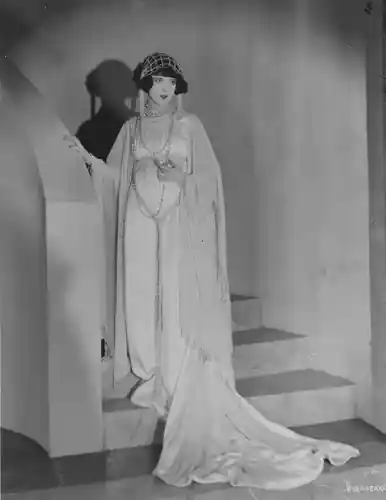
The resolution of the film—Tommie Lou’s 'reformation'—might strike modern audiences as a retreat into conservatism. However, within the context of 1924, it is a nuanced compromise. The film doesn't suggest that Tommie Lou must return to her dull, wallflower roots, but rather that she must find a synthesis between her authentic self and the demands of society. This theme of reformation is a recurring trope in silent cinema, often seen in works like The Discard or Boots, where the protagonist must navigate a path through moral ambiguity to reach a stable conclusion.
The legacy of The Perfect Flapper is inextricably tied to the iconography of the decade. It helped codify a visual and behavioral language that would dominate the screen for years to come. While some might find the plot's reliance on a divorce suit to be a bit of a contrivance, it serves its purpose in elevating the stakes from mere social embarrassment to legal and moral jeopardy. The film remains a vital piece of cinematic history, not just for its star power, but for its honest, if stylized, depiction of a young woman trying to find her place in a world that was moving too fast for its own good.
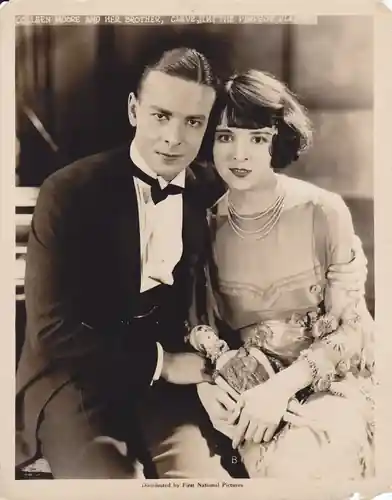
The 1920s were a period of intense anxiety regarding the 'morals' of the younger generation. The Perfect Flapper acts as a mediator in this cultural war. By showing that the 'jazz attitude' is a performance that can be put on and taken off, the film offered a comforting message to the older generation while still providing the younger audience with the spectacle they craved. This balancing act is similar to the thematic tensions found in Up in the Air or even the international sensibilities of Les frères corses, where tradition and modernity are in constant dialogue.
Furthermore, the film’s depiction of the legal system and the divorce process provides a fascinating glimpse into the era's preoccupation with domestic stability. The lawyer character is not just a romantic interest; he is the embodiment of the Law, the force that restores order to the chaos Tommie Lou has unleashed. This intersection of romance and the legalities of marriage is a sophisticated narrative choice that elevates the film above the standard 'flapper comedy.' It suggests that even in the wildest days of the 20s, the structures of society remained firm, waiting to reclaim those who strayed too far.
In the final analysis, The Perfect Flapper is more than just a star vehicle for Colleen Moore. It is a vibrant, witty, and surprisingly deep exploration of identity and the performance of gender. Its high lexical diversity in visual storytelling—from the subtle twitch of a lip to the grand sweep of a ballroom dance—ensures its place in the pantheon of great silent films. While it may lack the experimental grit of Dzhymmi Hihhins or the exoticism of Iwami Jûtarô, it possesses a charm and a cultural specificity that is entirely its own. It is a film that captures a moment in time with such clarity that it feels, even a century later, entirely present.
For those interested in the evolution of the American comedy, or for anyone who wishes to see a master at the height of her powers, this film is essential viewing. It reminds us that the struggle to fit in, and the subsequent struggle to remain true to oneself, is a timeless narrative, whether it is set in a 1920s ballroom or a modern-day social media feed. The 'perfect' flapper, it turns out, was never a flapper at all—she was simply a woman trying to be seen.
IMDb 4.4
1930
Community
Log in to comment.